

















Isn’t it true that anyone can boil an egg or a portion of pasta? That’s right! But not everyone can boil an egg or a portion of pasta and achieve exactly the texture they want or that the recipe requires.
Boiling can produce different results depending on the material of the cookware, the liquid used, and the cooking method: high heat, low heat, or under pressure.
So we won’t keep you waiting, let’s get straight to the point and show you the benefits of this cooking method and which cooking pots and boiling techniques you should choose depending on the ingredients.
What is boiling and why is it important?
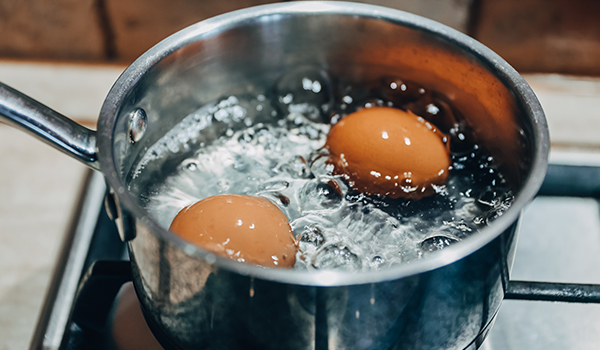
In case it’s not clear to everyone, this cooking technique involves heating a liquid to its boiling point and cooking food in that liquid. This method dates back to the discovery of fire, around 500,000 years ago.
Boiling helps cook food quickly and evenly, achieve a soft texture, and extract flavors. It also destroys harmful microorganisms, making food and water safe for consumption.
Benefits of boiling in food preparation
The advantages of boiling are well known to all Romanians and to anyone who has ever eaten a hot chicken soup or an authentic Rădăuți soup. It is the ideal method for extracting flavors from bones, meat, vegetables, and herbs, forming the base for delicious broths, soups, and sauces.
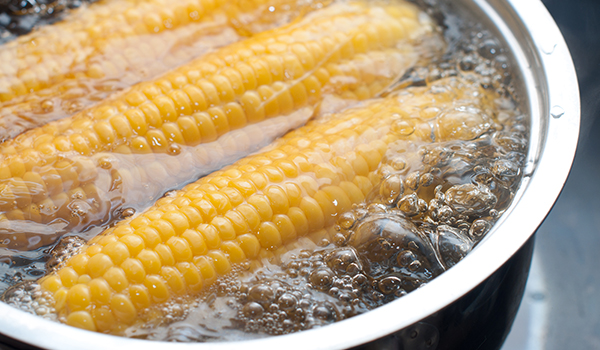
The versatility of this technique extends to almost all foods - grains, pasta, vegetables, and even fruits - making them tasty, soft, and easier to digest.
Boiled foods are a good option if you want to consume dishes low in fat and calories. They do not require added oil or butter, which makes this a healthy cooking method.
However, boiled vegetables can lose a large portion of their water-soluble vitamins. The more water you use and the longer you boil the vegetables, the more valuable nutrients are lost. This leads us to an important rule: remove the vegetables from the water as soon as they are cooked.
Types of cookware for boiling
Choosing the right cooking pots for boiling isn’t complicated. Here are our recommendations!
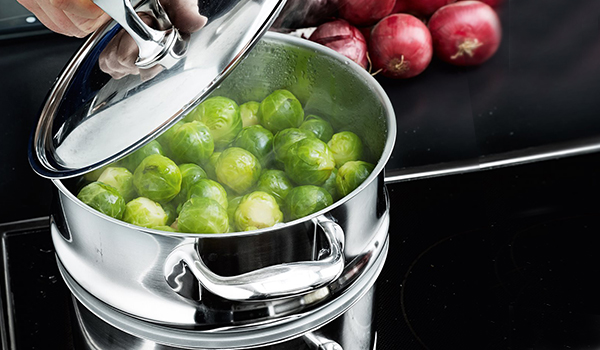
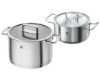
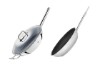
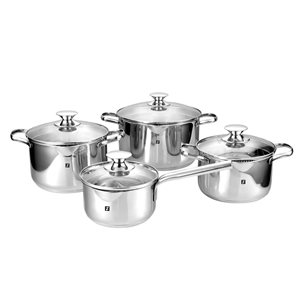
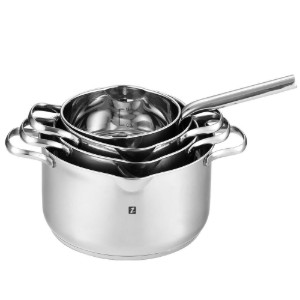
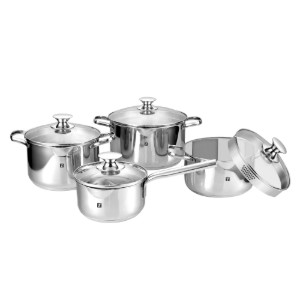
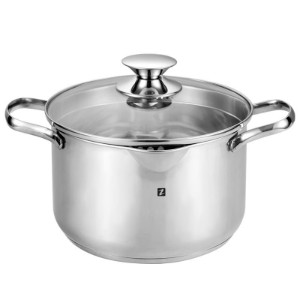
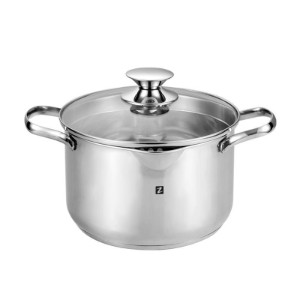
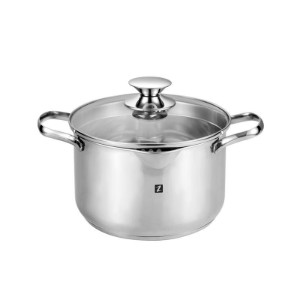
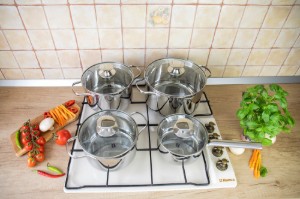
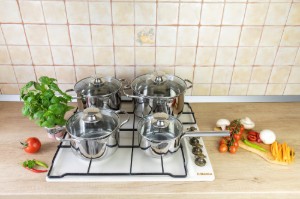
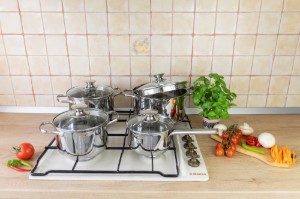
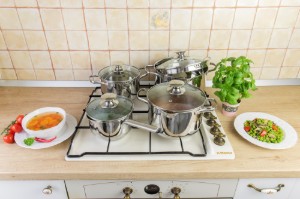
Stainless steel cooking pots
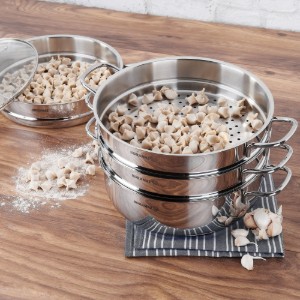
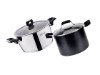
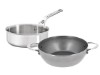
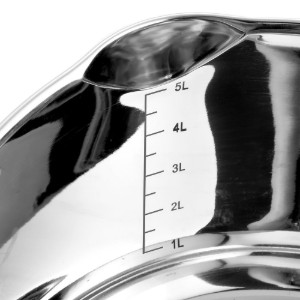
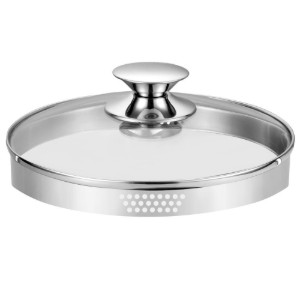
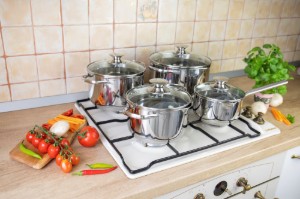
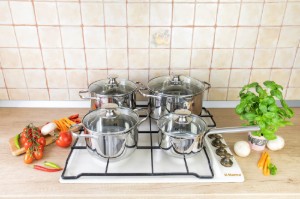
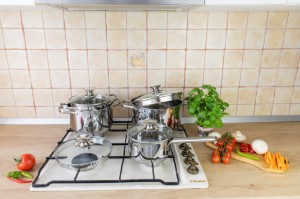
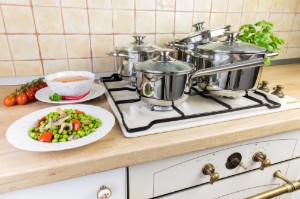
Stainless steel is non-reactive, hypoallergenic, and very durable. Stainless steel cooking pots are suitable for boiling because they do not oxidize and do not impart any taste to the water or cooking liquid. So you can safely boil tomato sauce, vinegar, wine, and citrus, as their acidity does not react with stainless steel.
Even though stainless steel is not as good a heat conductor as aluminum, many high-quality cooking pots and pans have layers of aluminum and other materials incorporated into them, specifically to increase their efficiency and versatility (for example, so they can be used on an induction hob).
Our recommendation:
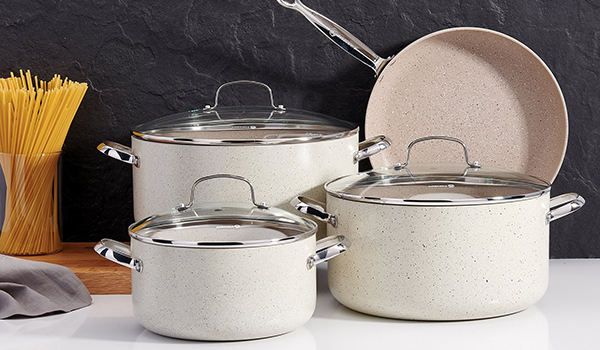
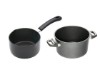
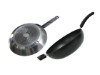
Aluminum cooking pots
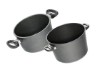
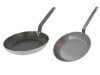
Aluminum cooking pots conduct heat extremely well, which means the water will start boiling very quickly. We recommend choosing cooking pots made from high-quality cast aluminum that have a non-stick coating, which prevents food from coming into direct contact with the raw aluminum.
Raw aluminum can react with acidic foods, but the non-stick coating solves this issue, allowing you to boil any dishes and beverages you want.
Our recommendation:
- The renowned AMT cooking pots
- Korkmaz Granita cooking pots
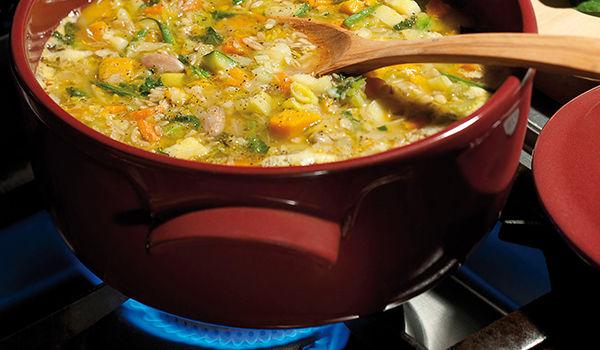
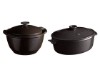
Ceramic cooking pots
Once the boiling point is reached, ceramic cooking pots retain heat efficiently, which can help maintain a steady simmer - especially useful for cooking brown and white rice, as well as soups, stews, or slow-cooked dishes.
Make sure to choose enameled ceramic cooking pots. The enamel coating withstands moisture and high temperatures and protects the vessel against water absorption and potential cracking.
Our recommendation:
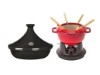
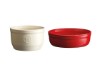
- Cookware made by Emile Henry, from the series Flame and Sublime
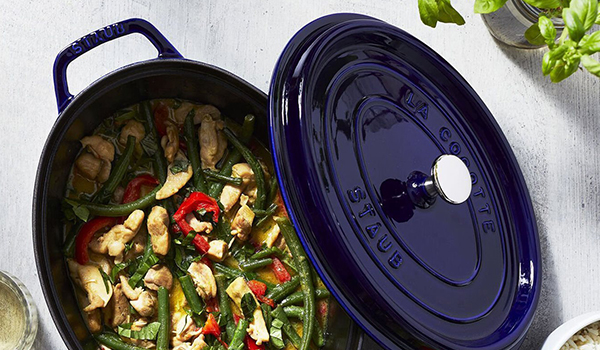
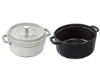
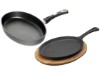
Cast iron cooking pots
Cast iron heats slowly but retains heat very well, making cast iron cooking pots excellent for boiling.
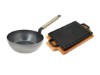
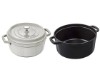
Opt for cooking pots with an enamel coating, which makes them easy to clean and suitable even for acidic foods.
Our recommendation:
Essential boiling techniques
Beans, broccoli, and chicken require different conditions to boil properly and healthily. Here are the boiling techniques to choose depending on the ingredients.
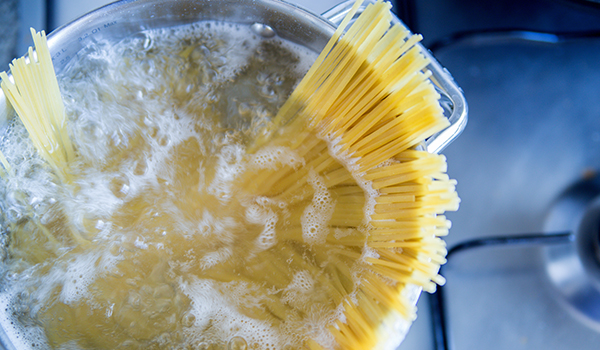
Simmering (low heat boiling)
For this method, the water must be kept below the boiling point, when small bubbles begin to form - so somewhere around 90°C. It ensures slow and gentle cooking.
Cooking rice, pasta, and chicken is done over low heat to preserve the texture of the foods: grains remain fluffy without breaking, and the meat retains its tenderness. Soups and stews also benefit from slow simmering over low heat.
Boiling over high heat
To achieve vigorous boiling, the water must reach 100°C. This method ensures even cooking for ingredients that require quick exposure to high heat.
It is recommended to boil pasta al dente, potatoes, green beans, and broccoli over high heat (to preserve texture and color).
Pressure cooking
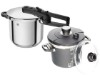
The pressure cooker is one of the greatest tricks when you want to boil something, because water exceeds the temperature of 100°C, which leads to a much shorter cooking time than usual.
Pressure cooking works wonders with tough ingredients, as it manages to soften even fibrous pieces such as beef, chicken, or legumes like beans and chickpeas in a relatively short time.
Steam boiling
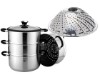
This is not actual boiling, but cooking with the help of hot steam produced by boiling water. Choose to steam cook delicate foods that need moisture and a gentle temperature in order to preserve their taste, texture, and color.
Bain-Marie (water bath)
This is an indirect boiling method in which food is placed in a container that is submerged in hot water. The food does not come into contact with the water or steam, but is cooked by the heat produced by them.
In general, the bain-marie technique is used for puddings, sauces, butter, or melted chocolate. You can learn more from our article: “The Bain-Marie technique: What it means and how it is used.”
Boiling is therefore a healthy, safe, and efficient cooking method that requires minimal effort and equipment. However, make sure to adapt boiling techniques to your ingredients in order to achieve very good results, and don’t forget the golden rule: remove foods from the water as soon as they are cooked, to counteract nutrient loss.
Other recommended products:
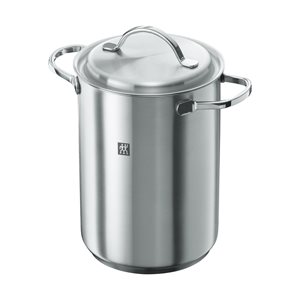
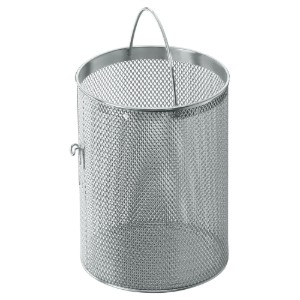
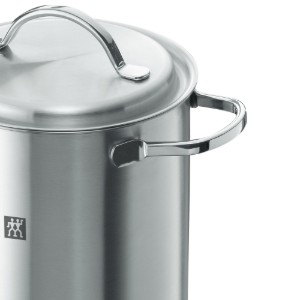
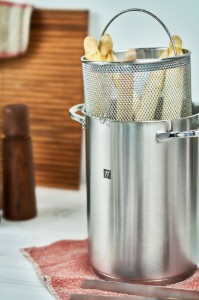
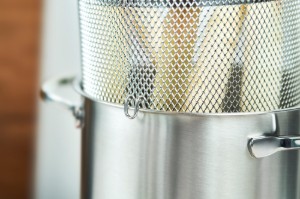
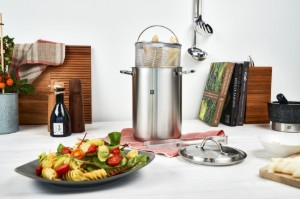
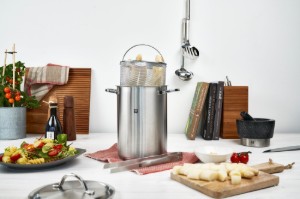
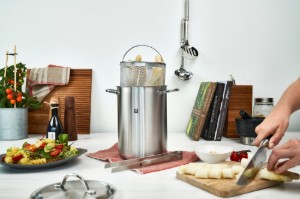
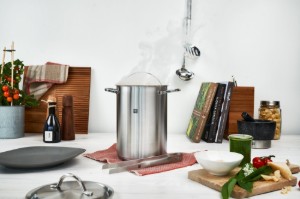
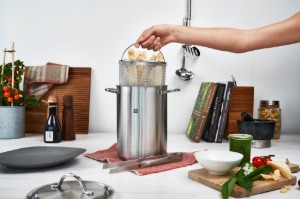
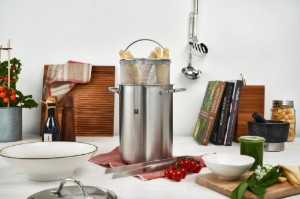
Tall stockpot, stainless steel, 16cm/4.5L - Zwilling
Code: 40990005
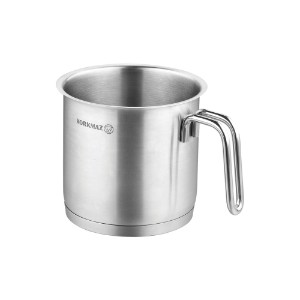
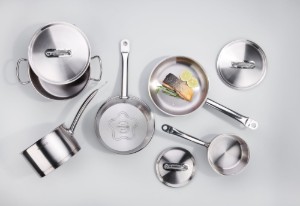
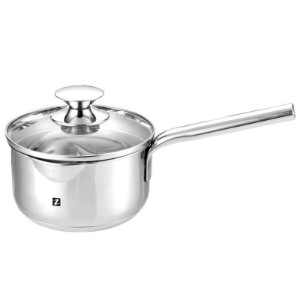
Milk pot, stainless steel, 14cm/2L, "Proline" - Korkmaz
Code: A1155
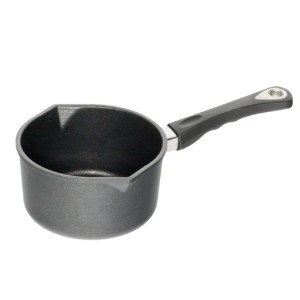
Milk pan, aluminum, 18 cm / 2 L, induction - AMT Gastroguss
Code: I918
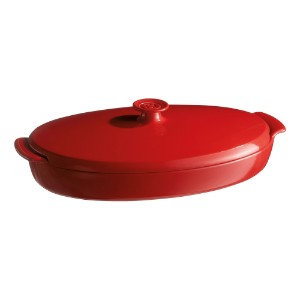
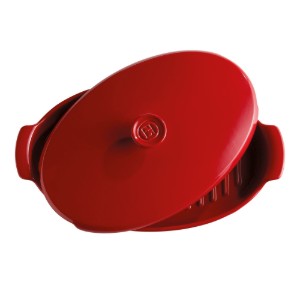
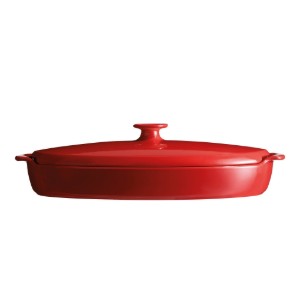
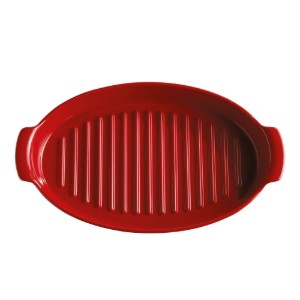
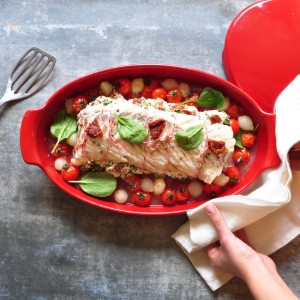
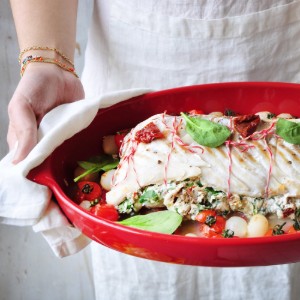
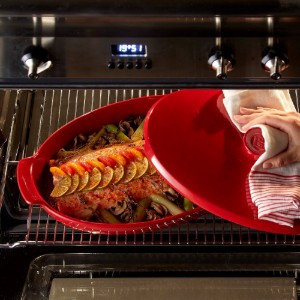
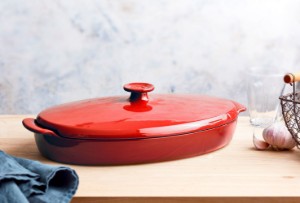
Steam cooking dish, ceramic, 42x25cm/1.9L "PAPILLOTE", Burgundy - Emile Henry
Code: 844334
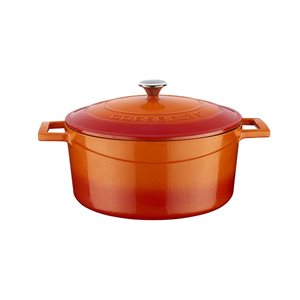
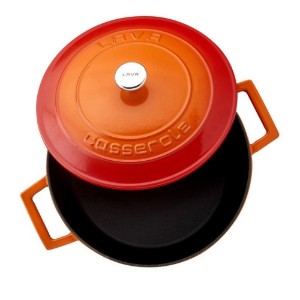
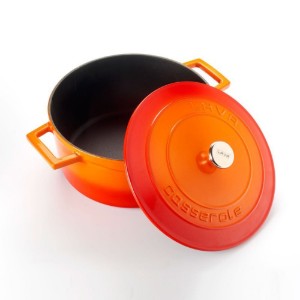
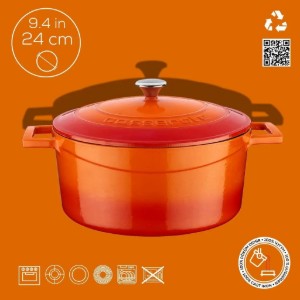
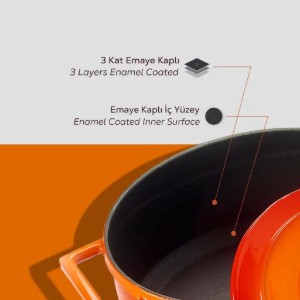
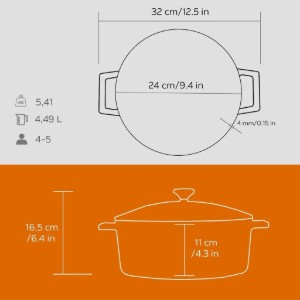
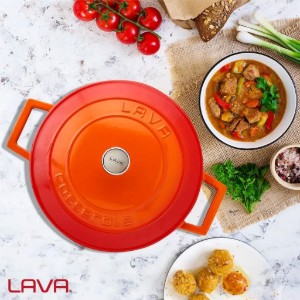
Saucepan, cast iron, 24 cm, "Folk", orange color - LAVA brand
Code: LVYTC24K1O
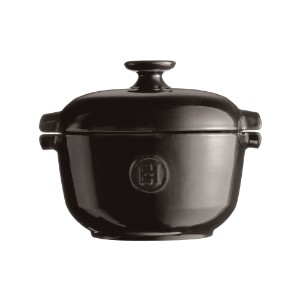
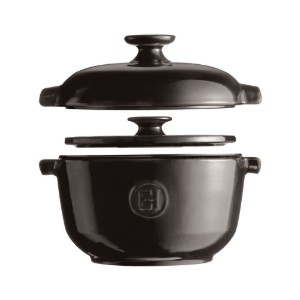
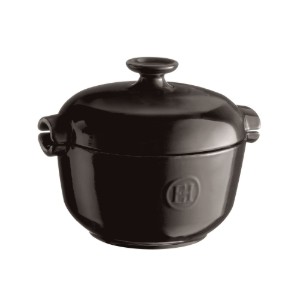
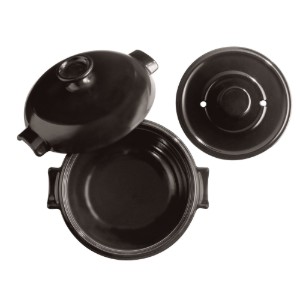
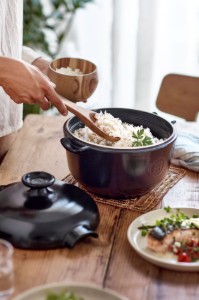
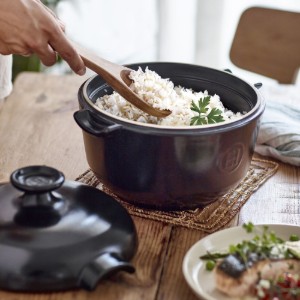
Rice cooking pot, ceramic, 25.5cm/2.5L, Charcoal - Emile Henry
Code: 457779