













The first thing we learn about health is that it's better than everything. Yes, it's even better than French fries and chocolate cake, than Transylvanian sarmale or Bucovina cozonacs. And that's why it concerns us so much. Especially us, the chefs.
In our kitchens, we prioritize health through the quality of our ingredients, our cooking techniques, cleanliness and hygiene, as well as by using the right cookware and accessories. And since we have been discussing about the performance of the materials used in manufacturing cookware, it is time to address the topic of food safety. So here is the safest cookware:
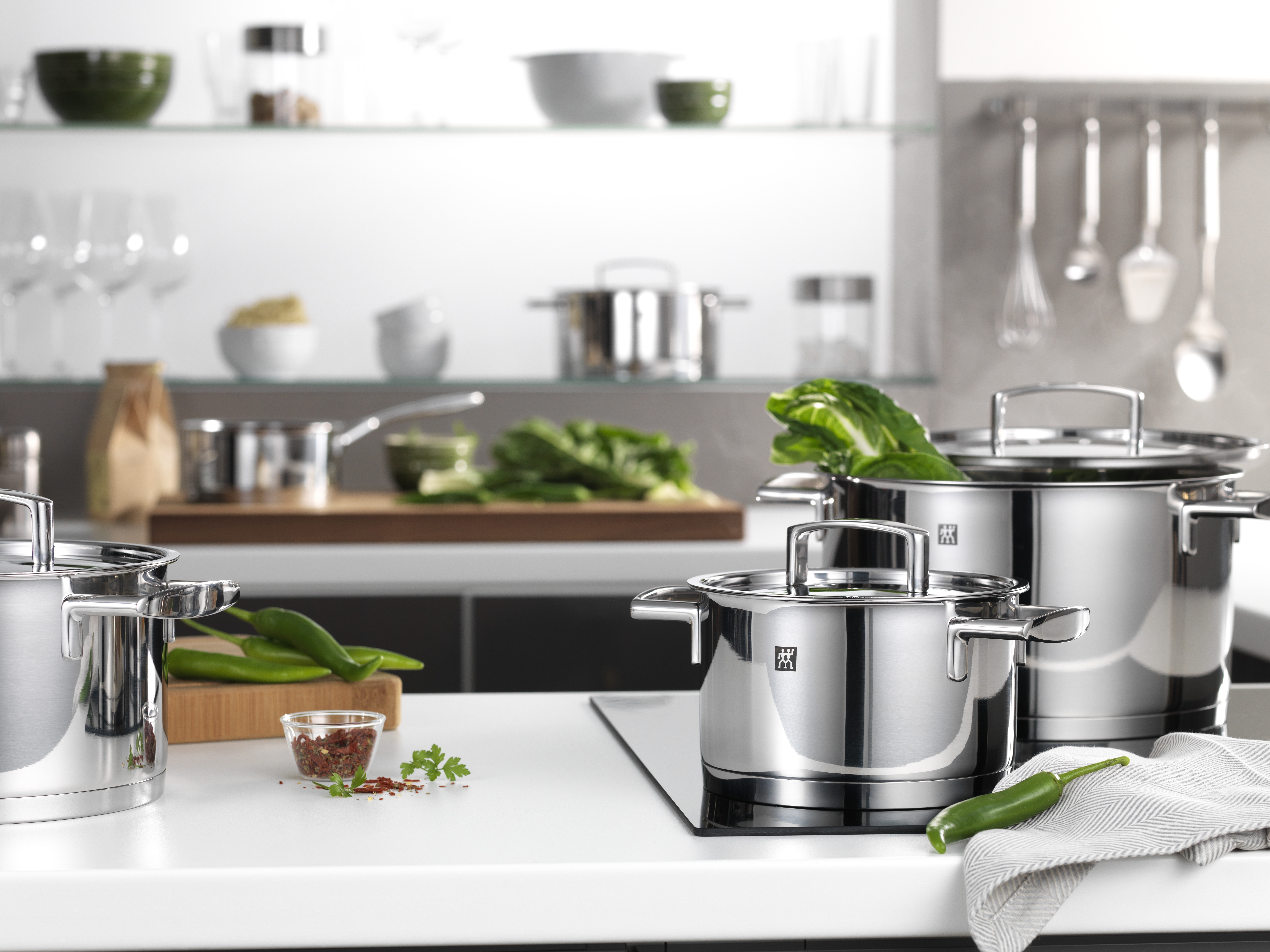
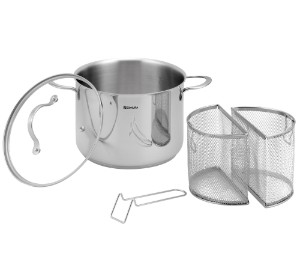
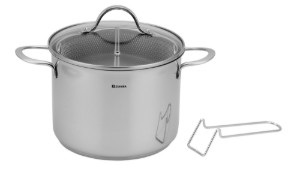
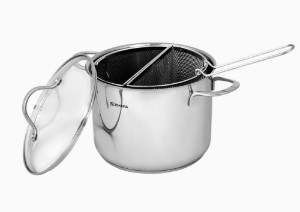
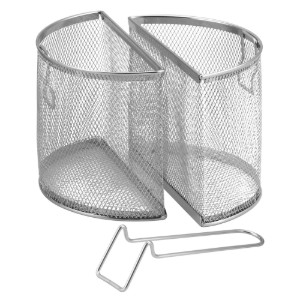
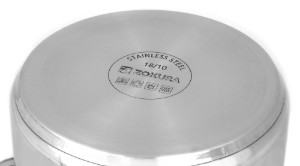
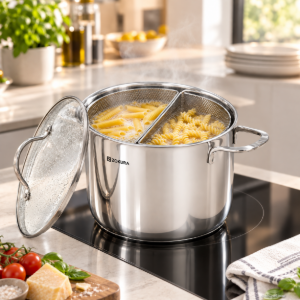
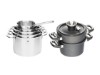
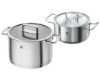
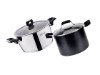
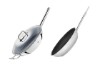
Stainless steel cookware
Stainless steel is a constant presence in kitchens, being a reliable ally that knows how to do its job without any problems. As long as your stainless steel pan is not corroded or rusty (usually signs of old age or a very poor quality material), it is considered safe for cooking.
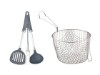
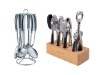
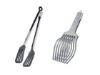
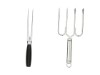
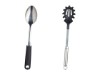
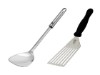
The amount of metal that could end up in your food is practically zero. Some people even want to be “more Catholic than the Pope” and recommend avoiding stainless steel utensils (spoons, spatulas, whisks) to minimize the risk of bacteria accumulating in tiny scratches.
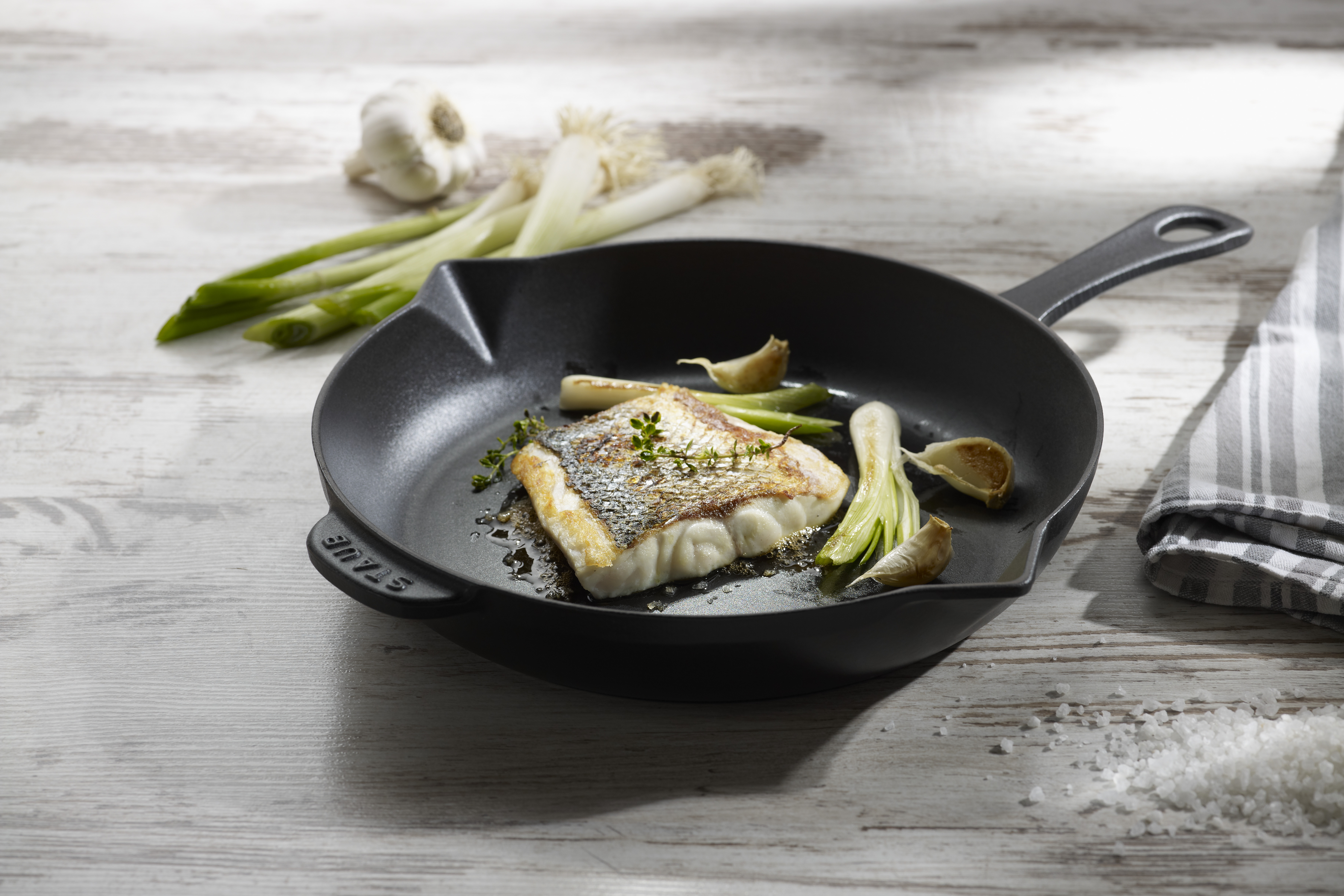
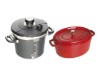
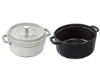
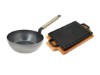
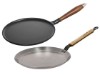
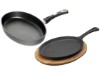
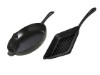
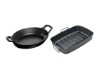
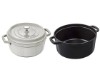
Cast iron cookware
Throughout history, people have suffered from iron deficiency, and surprisingly, even the extremely small amounts of iron that leached into food during cooking proved to be beneficial. Of course, we can no longer talk about such severe deficiencies today, and the most important benefit of cast iron now is the uniform and almost nearly perfect food cooking.
Cast iron is AWESOME for cooking as long as you don't clean it with soaps and abrasive sponges and always maintain that oily film (seasoning, as some call it) on the surface of the pan.
Cooking in cast iron cooking pots and frying pans (even enamelled ones) is efficient and non-toxic, and the only danger it poses is the risk of dropping a cast iron pot, with all its weight, on your toes. Then you might suffer a little.
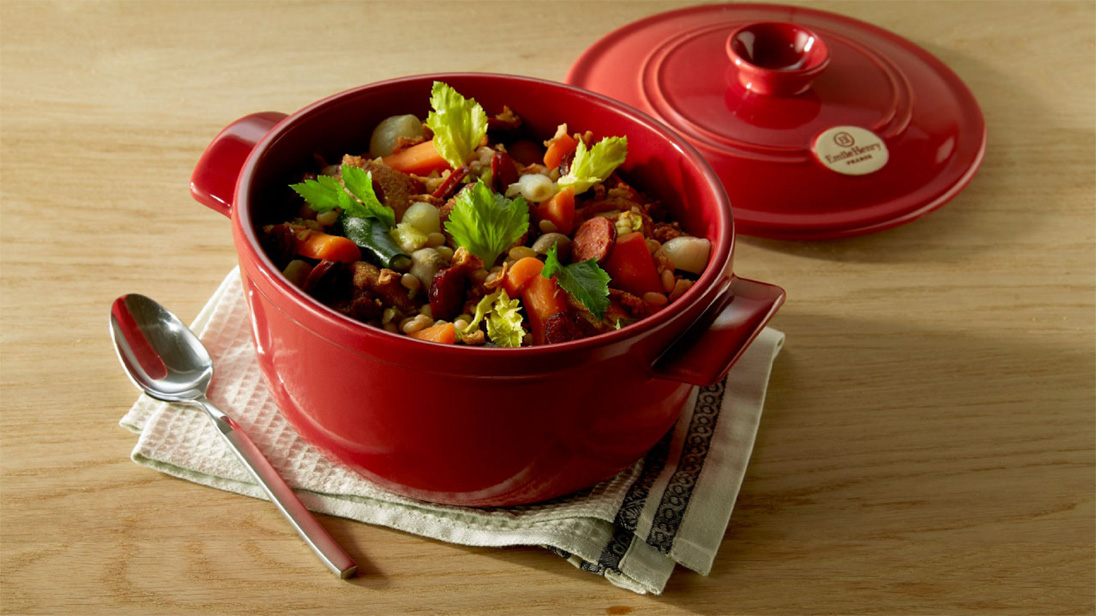
Ceramic cookware
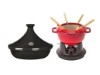
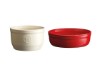
High-quality ceramic products, such as those created by Emile Henry, do not contain lead or other potentially toxic materials. As a result, they can be used safely at various temperature ranges, reaching as high as 270°C or 500°C depending on the product line.
In general, they can be used in the microwave, dishwasher, freezer – what else, incredible versatility. Good quality ceramic cookware (very important!) receives mostly positive reviews from specialists, but also from those who use it for everyday cooking.

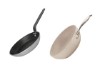
Copper cookware
Copper has a bad habit of chemically interacting with food when subjected to heat, but that's precisely why copper cookware is encased in a layer of stainless steel or other safe protective coating.
Copper is an excellent thermal conductor, 9 times more efficient than stainless steel, so it's better to dress it up nicely (and effectively) than to give it up. And if it's already wrapped in a protective material, it's better to leave it that way. So try not to damage the material inside the cookware to make sure there's no danger.
Other recommended products:
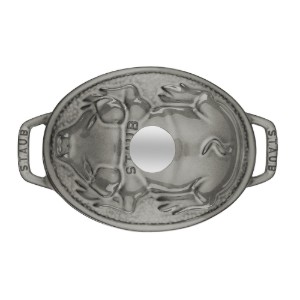
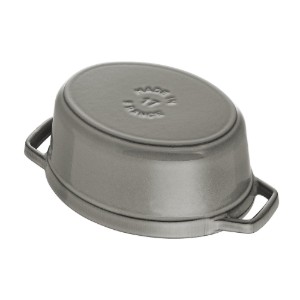
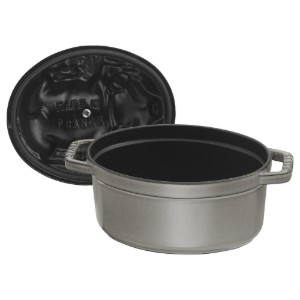
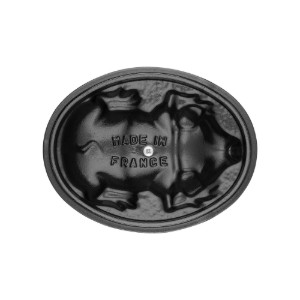
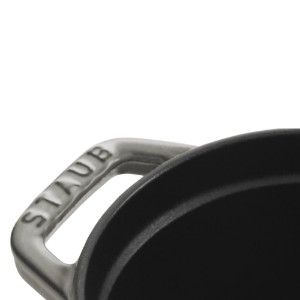
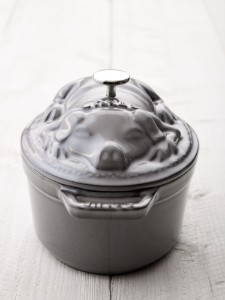
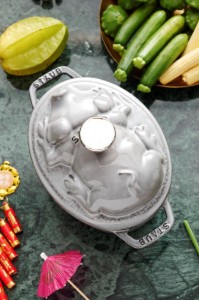
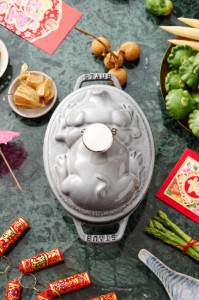
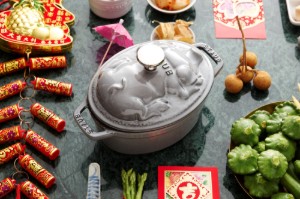
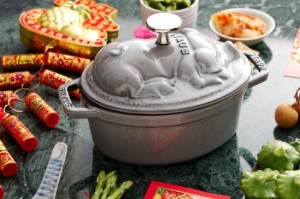
"Cocotte cochon" cooking pot, cast iron, 17cm/1L, Graphite Grey - Staub
Code: 1121718
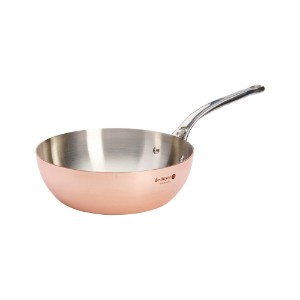
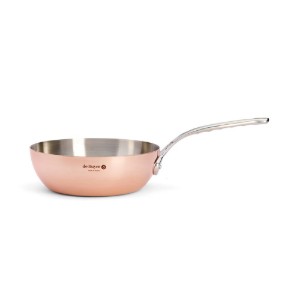


Conical sauté pan, copper-stainless steel, 24 cm/3.1 l, "Inocuivre" - de Buyer
Code: 643624
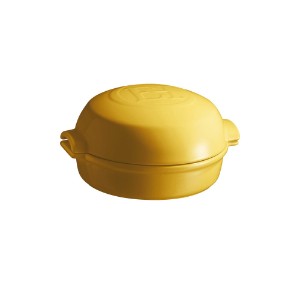
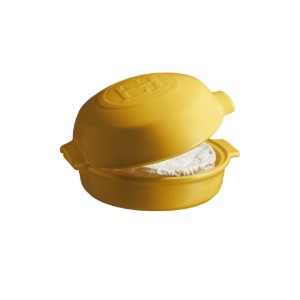
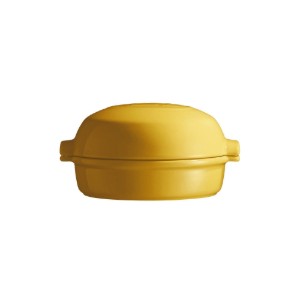
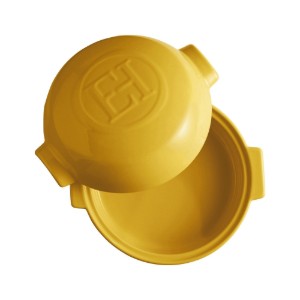
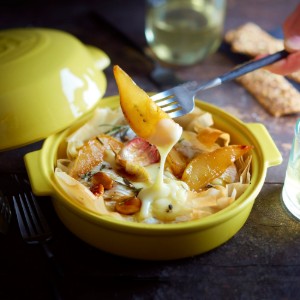
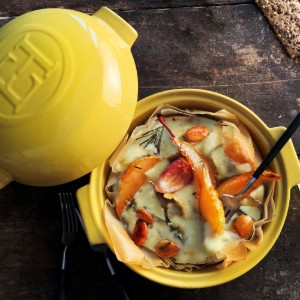
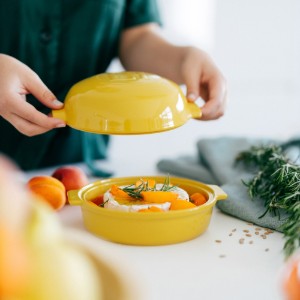
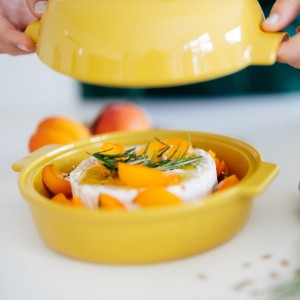
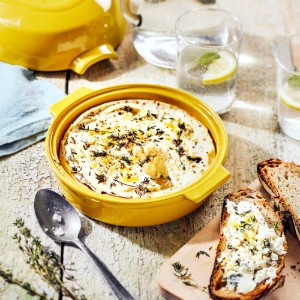
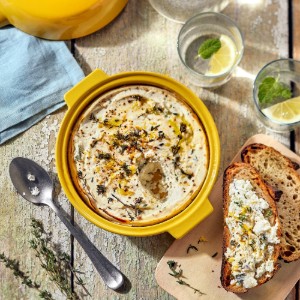
Cheese preparing dish, ceramic, 17.5 cm/0.55L, Provence Yellow - Emile Henry
Code: 841790
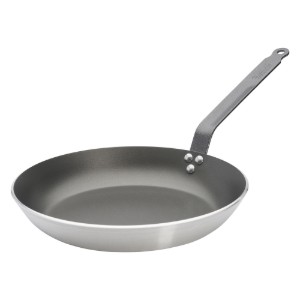
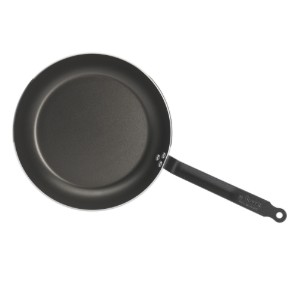
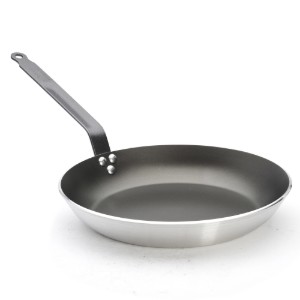
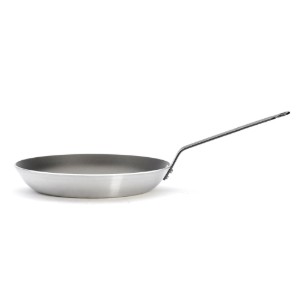
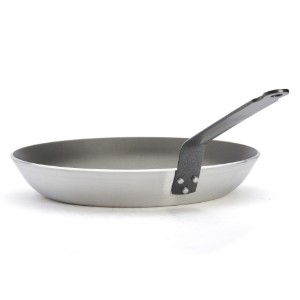
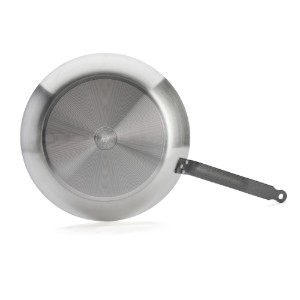
"CHOC" non-stick frying pan, 32 cm - "de Buyer" brand
Code: 818032
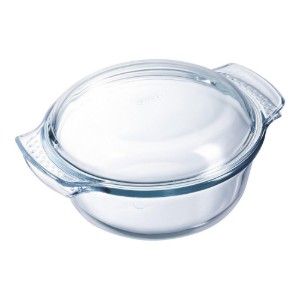
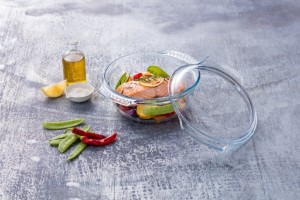
Round dish with lid, made of heat-resistant glass, 3.5 L + 1.4 L - PYREX
Code: 118A000
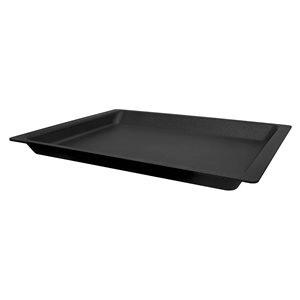
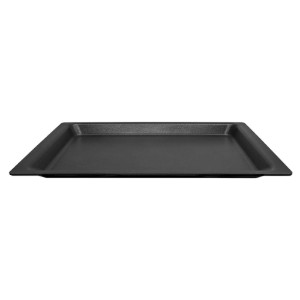

Baking tray, aluminum, 46.5 x 37 x 3 cm - AMT Gastroguss
Code: OP3465