


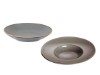
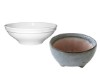
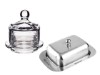
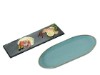















Food tastes better when it looks good on the plate. This is not an empty saying, but a fact confirmed by numerous studies and surveys, as well as by family cooks of all times (see the eternal lettuce leaf under the steak or the sprig of parsley on the boeuf salad).
We can't all be the Picasso of the culinary world, but a few small touches can make the difference between an ordinary plate of food and one that must be photographed before being enjoyed.
So grab your decorating tweezers, your prettiest serving plates, and that little bottle of balsamic vinegar reduction. It's time to make your food not just tasty, but also memorable for anyone who takes a look.

What does plating mean?
Plating is the practice of arranging and decorating foods on a plate to enhance its visual appeal. Above all, the plate should look appetizing, be clean, tidy, and highlight the colors, texture, and ingredients of the dish. Sounds complicated?
The tradition of plating is not a recent one; it dates back to the French royal court of the 1600s, when Louis XIV instructed his chefs to present his food in the most elegant way possible.
Chapeau bas, monsieur!
Although it has French origins, the term “plating” (pronounced “pleiting”) is English and comes from the word “plate” which means “dish”. So it is best to avoid redundant phrases such as: plating of a dish/plate.

Basic principles of plating
Plating is an expression of creativity, so we can't talk too much about plating rules. However, there are some principles of good taste in arranging and decorating plates.
- 1. Keep the visual balance: avoid overcrowding the plate on one side, leaving the other side empty.
- 2. The food never touches the edge of the plate.
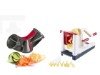
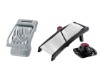
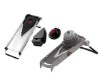
- 3. Use odd numbers when arranging items on your plate, whether it's sliced meat, fruit, or vegetables. If you have a mandoline, use it to slice food evenly and neatly.
- 4. Focus on the main ingredient: it should be prominently positioned and not be overwhelmed by garnishes or edible decorations.
- 5. Everything placed on the plate must be edible. No plastic leaves, balls, sand, pebbles or any other objects are used. Exceptions are the component parts of a dish (shells, seeds, etc.) or certain accessories that are necessary to maintain the shape of the dish, such as skewers and sticks for skewers or burgers.

Techniques for arranging elements on a plate
Before you get to mounting the edible flowers and painting the plate with sauce, it's important to arrange the foods so that they complement or highlight each other. Here are a few ways you can do that.
- 1. The rule of thirds: Divide your plate into three imaginary sections, one each for protein (e.g. steak), carbs, and vegetables. What's interesting about this technique is that it curbs the urge to place the meat/main food in the center of the plate.
- 2. Symmetry or asymmetry: depending on the food being served and your own preferences, choose a symmetrical presentation, which can be very pleasing to the eye, or an asymmetrical one, which is more dynamic and modern.
- 3. Separate meat from the side dishes: It's not always the best idea to serve chicken thighs on a bed of mashed potatoes or rice. Place the two foods side by side or only partially overlap them.
- 4. Don't ignore the importance of empty spaces: instead of covering the entire surface of the plate with food, use the empty spaces to highlight the dish and create a more airy, pleasant appearance.
- 5. Arrange brightly colored foods side by side: you'll create a mouthwatering "wow" effect. Beets, matcha powder, blueberries, fruit sauces, powdered sugar, pink radish, edamame beans are just a few ingredients that add vibrant colors to your plate.

Styles of plating to inspire you
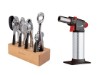
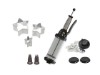
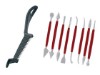
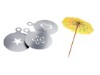
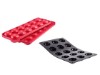
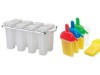
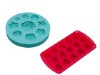
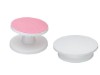
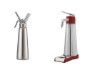
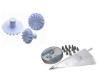
Depending on the food you're serving, you can try the plating styles below. Use some platter-arranging utensils that help you shape the food on the plate and precisely decorate it.
Vertical plating in multiple layers
You can create a striking effect by stacking foods or arranging them in a tower-like formation. Here are a few examples:
- Stacked slices of grilled tomatoes, zucchini, and eggplant, topped with a ball of buffalo mozzarella and a drizzle of balsamic vinegar cream.
- Lamb chops arranged vertically, with the bone on top.
- Round or square slices of polenta, stacked on top of each other, served as a side dish with a steak or a delicious stew.

Plating with varying heights
This style is ideal for plates with multiple elements. It adds depth and dynamism to the dish. Here are a few examples:
- Place a cracker or a thin slice of toast at the base of some ingredients to slightly lift them.
- Arrange the mousses on top of or next to other ingredients to create different heights.

Plating in geometric shapes
This style uses shapes, straight lines, and symmetry to create a dish with a distinguished aesthetics. Here are a few examples:
- Align vegetables, slices or sauces in straight or parallel lines.
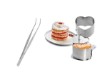
- Shape the rice garnish using a square stainless steel mold.
- Use triangular shapes or pyramidal decoration shape.

Multi-colored plating
There are no limits to the color combinations on a plate, from raw vegetables and fruit to purees in strong shades: bell peppers, beets, carrots, berries, red onions, aromatic herbs.
If you want to avoid the traditional parsley leaves in the multi-colored plating, you can replace them with more creative options, such as microplants, grated citrus peel, or edible pansies that you can harvest yourself using an electric flower planter.

The landscape-like plating
Although it is not considered a particular elegant plating style, it can be a fun change of pace in your meal-serving routine, with a wow effect for the kids.
- Use fresh herbs, sprouts, or microplants to add realism to the landscape and creative details (grass, bushes, trees).
- Ground nuts or breadcrumbs can represent sand, earth, or other textured elements. A fine-grained sand-like texture can also be achieved using mashed cauliflower or a creamy risotto.
It's no secret that plating has many advantages, but even the most visually appealing plates can't save a dish that tastes bland or unpleasant. So always try to strike a balance between taste and presentation, and you'll be able to create exceptional dishes right in your own kitchen.
Other recommended products:
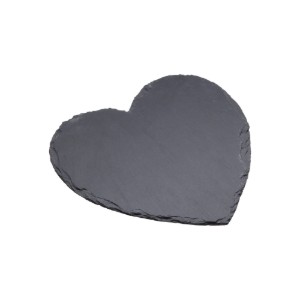
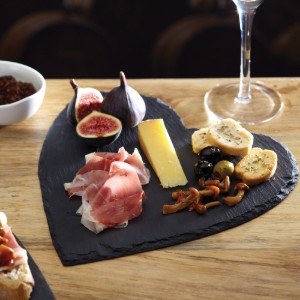


Heart-shaped serving platter, slate, 25 cm - Artesa
Code: ARTHRT
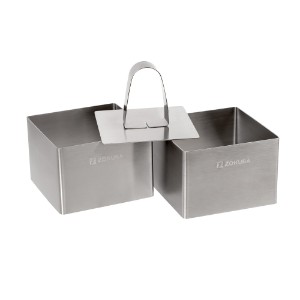
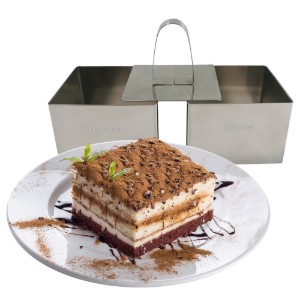

2-piece square molds with pusher, stainless steel, 7x7x5cm - Zokura
Code: Z1330
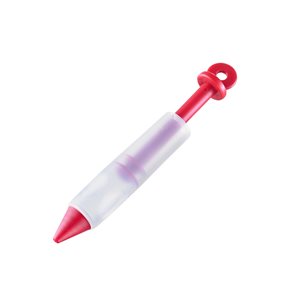



Tool for decorating desserts, polypropylene - Westmark
Code: 31112280
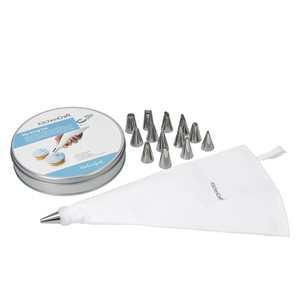

Set of 16 pieces for decorating with glaze - Kitchen Craft
Code: SDIICESET16
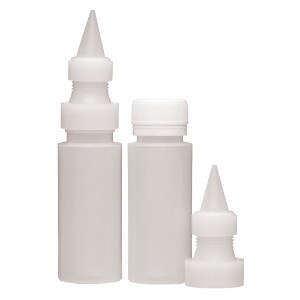
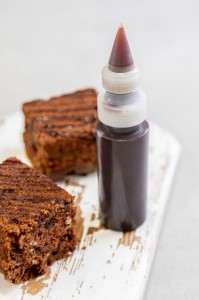


Set 2 utensils used for decorating desserts with icing – made by Kitchen Craft
Code: KCICBOT
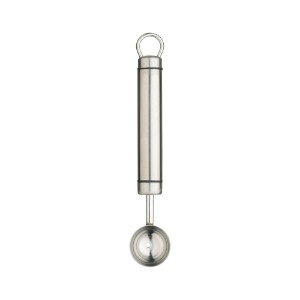
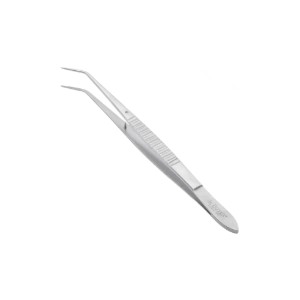
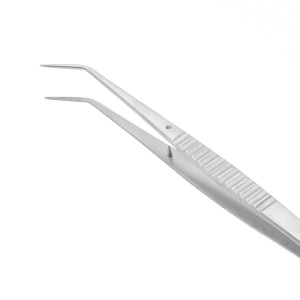
Curved tweezers, 16 cm, stainless steel - de Buyer
Code: 423915