

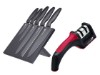
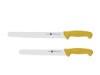
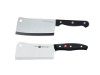
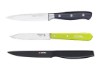
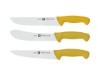





































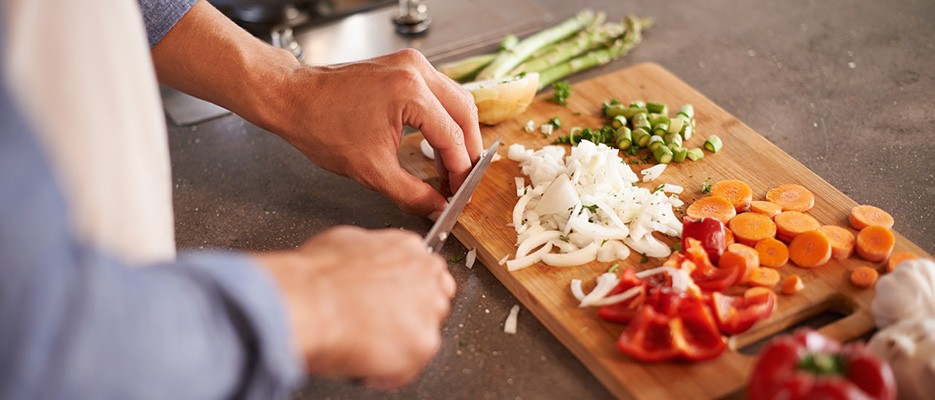
Even if you spend a lot of time in the kitchen or only cook occasionally, mastering a few vegetable cutting techniques influences not only the appearance of a dish but also its texture and flavor. A well-chosen cut means even cooking, faster preparation, and a result that looks impeccable on the plate. With a little practice and the right tools, any meal takes on that sophisticated touch, effortlessly.
Why Vegetable Cutting Techniques Matter
Whether you're preparing a simple soup or a festive dinner, the way you cut your vegetables affects both the flavor and the presentation of the dish. Uniform cuts ensure even cooking, preventing unpleasant contrasts between undercooked pieces and others that are too soft. And a clean, harmonious presentation becomes an advantage in itself.
Mastering vegetable cutting techniques is not just about aesthetics. It also means greater speed, safety, and efficiency while working. With a little practice, these movements become second nature, bringing order, rhythm, and satisfaction to every cooking session.
Julienne-style cutting
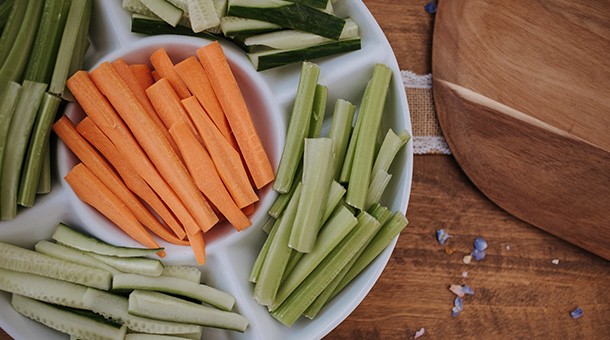
One of the best-known vegetable cutting techniques is the Julienne cut, often used in Asian dishes, fresh salads, or elegant side dishes.
This method involves cutting vegetables into thin matchsticks, approximately 5-6 cm long and 1-2 mm thick, creating a uniform texture and a neat appearance. It is ideal for carrots, bell peppers, celery, zucchini, and, last but not least, julienned onions, which sauté quickly and evenly, adding a touch of delicacy to any dish.
To achieve the correct result, you need a well-sharpened knife and a stable cutting board. First, slice the vegetable into thin pieces, then stack the slices and cut them into evenly sized matchsticks. With a little practice, the Julienne cut becomes an efficient routine, and every detail contributes to a complete culinary experience.
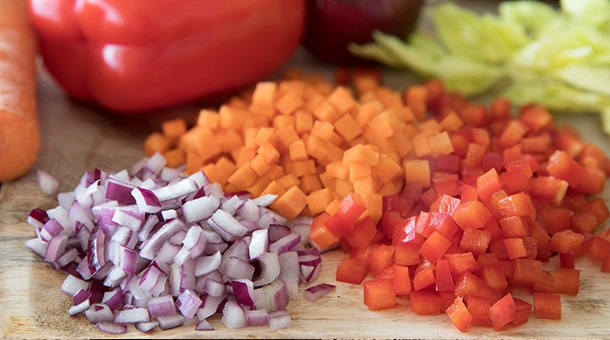
Brunoise-style cutting
Brunoise is a technique derived from the Julienne cut, in which the matchsticks are cut crosswise to create small cubes of approximately 2 mm. This method is one of the more sophisticated vegetable cutting techniques and is ideal for delicate soups, refined sauces, and elegant garnishes.
The result is not only visually appealing but also practical: the small cubes cook quickly and evenly, while the flavors are distributed much more consistently throughout the dish. The Brunoise technique requires a bit of patience, but it transforms even the simplest recipe into an outstanding culinary creation.
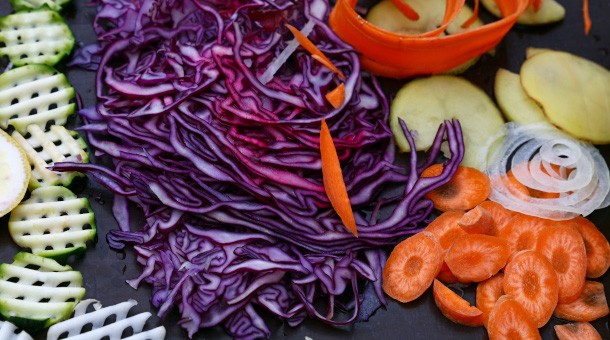
Other Popular Vegetable Cutting Techniques
In addition to Julienne and Brunoise, professional kitchens use a wide range of vegetable cutting techniques, each serving a specific purpose, whether for presentation, texture, or cooking efficiency.
- Mirepoix is a classic French technique that involves cutting vegetables (onions, carrots, and celery) into large, irregular pieces. These are used as an aromatic base for soups, broths, and sauces, where they are slowly cooked to release their flavors. In this case, precision is less important than achieving a balanced combination of ingredients.
- Chiffonade is an elegant method, perfect for leafy greens such as basil, lettuce, or spinach. The leaves are stacked, tightly rolled, and then finely sliced to create thin ribbons - ideal for garnishes or salads.
- Paysanne involves cutting vegetables into thin, flat shapes - squares, triangles, or circles - approximately 1-2 mm thick. It is ideal for rustic soups or traditional dishes where a simple presentation and pleasant texture are essential.
- Macedoine is similar to Brunoise, but the cubes are slightly larger - approximately 5-6 mm. It is commonly used in vegetable salads or frozen vegetable mixes, making it perfect for quick cooking.
Each of these techniques adds not only functionality but also refinement to the kitchen. Choosing the right method depends on the type of dish and the desired texture, while the variety of techniques allows for creative freedom and brings a professional touch to every meal.
Tips for beginners
For those just beginning to explore vegetable cutting techniques, patience and quality equipment are essential.
A well-sharpened knife is indispensable in any kitchen. Start with vegetables that are easy to cut, such as carrots or julienned onions, to practice precision and control.
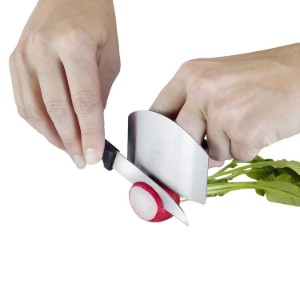
Make sure you use a stable cutting board and, most importantly, maintain proper hand positioning - keeping your fingers slightly curled for safety. By practicing for just a few minutes each day, making Julienne cuts or Brunoise cubes will soon become a natural reflex.
Turn cooking into a true art with professional knives and accessories from KitchenShop.eu, so every meal becomes an unforgettable experience.
Other recommended products:
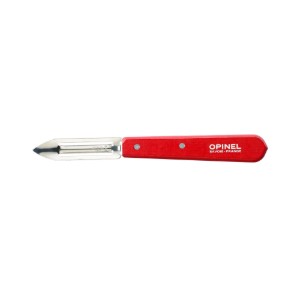
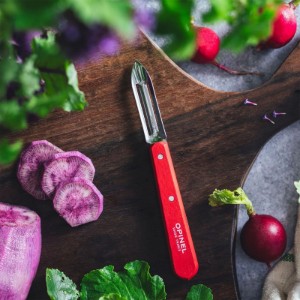
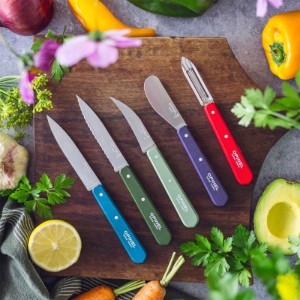
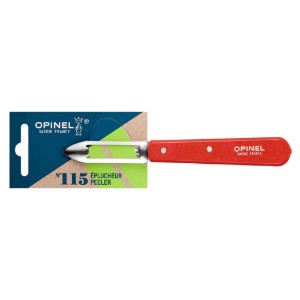
N°115 peeler, stainless steel, 6 cm, "Les Essentiels", Red - Opinel
Code: 003123
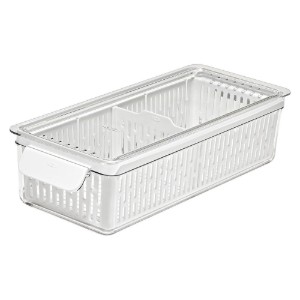
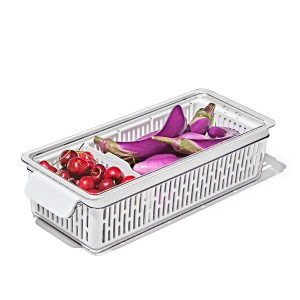
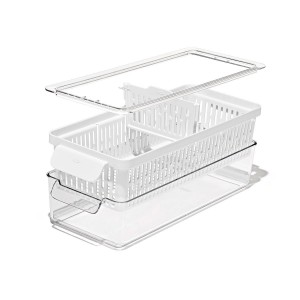
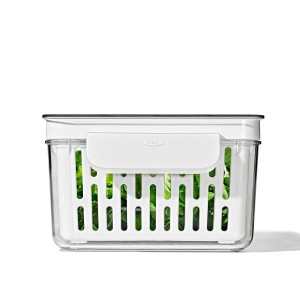
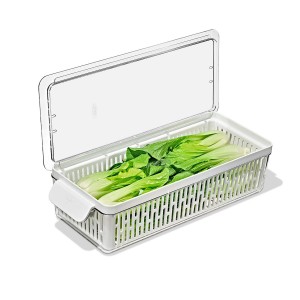
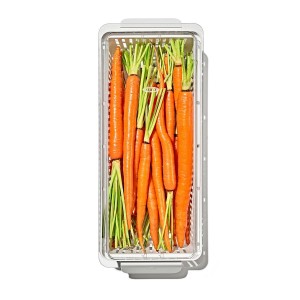
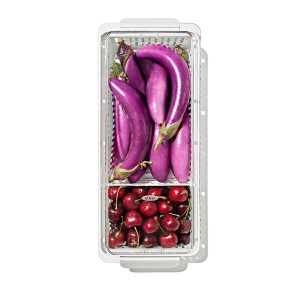
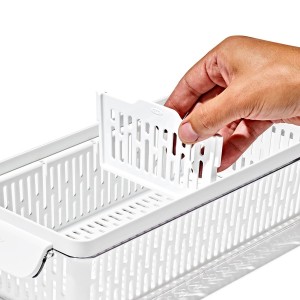
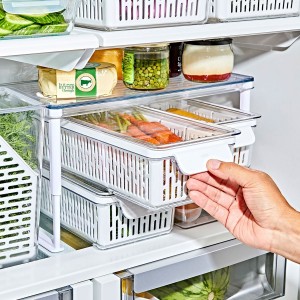
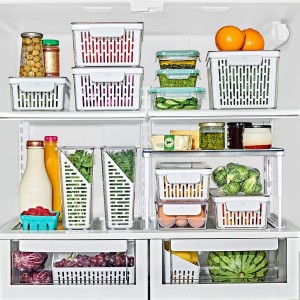
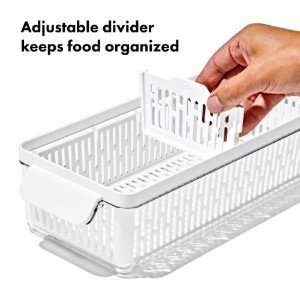
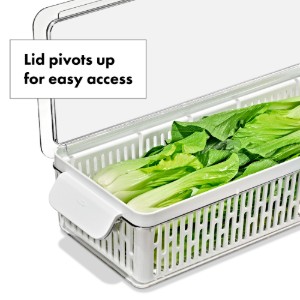
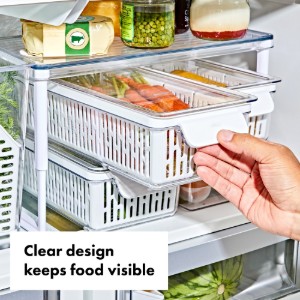
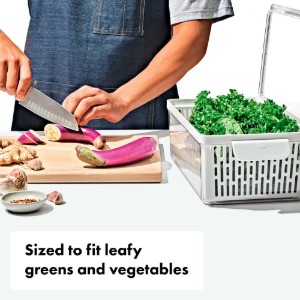
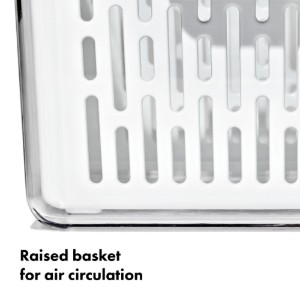
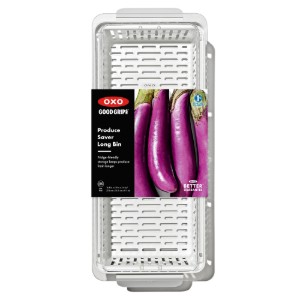
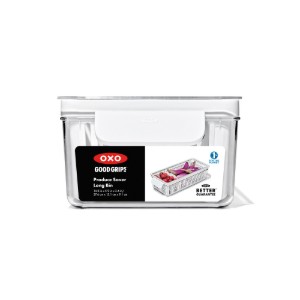
Produce saver, plastic, 37.6 x 15.1 x 9.1 cm, "Produce Saver" - OXO
Code: 11387500
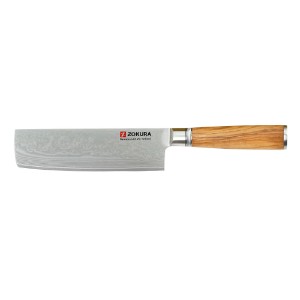
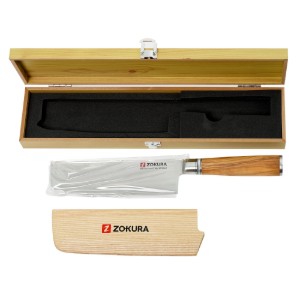
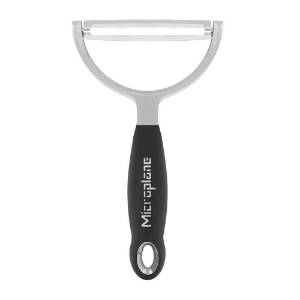
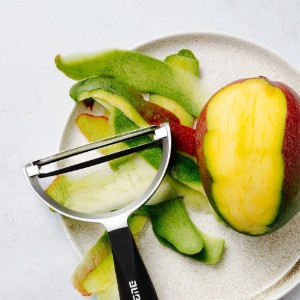
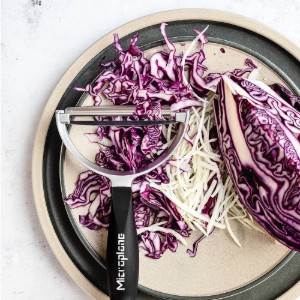
Peeler XL, stainless steel, 17 x 10.5cm, "Professional" - Microplane
Code: 48095E
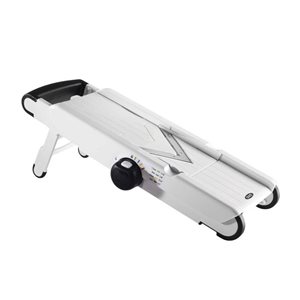
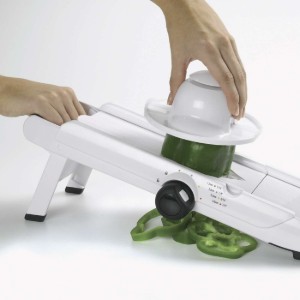
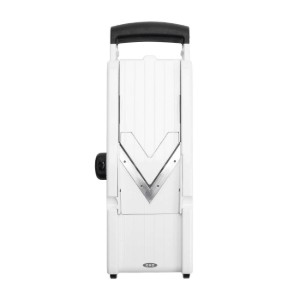
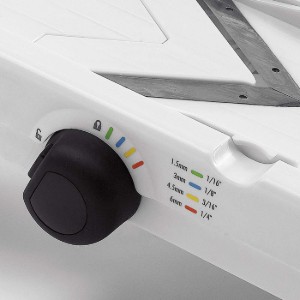
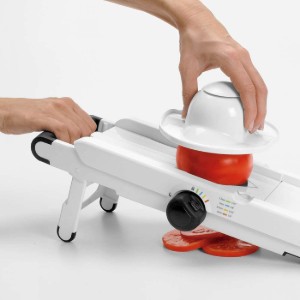
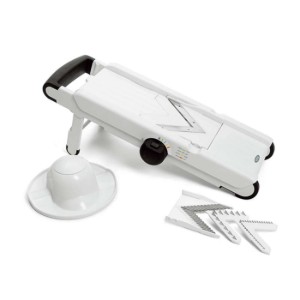
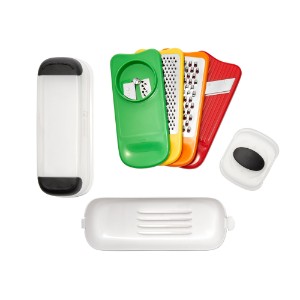
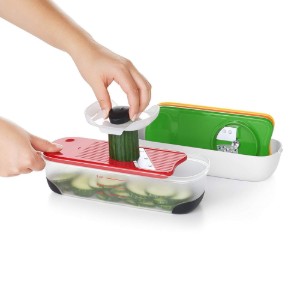
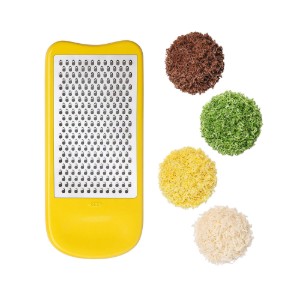
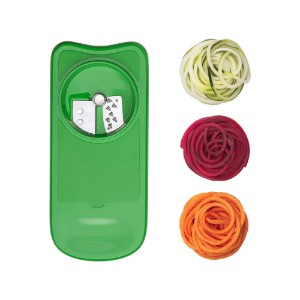
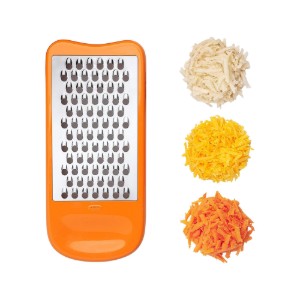
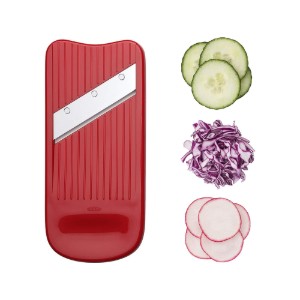
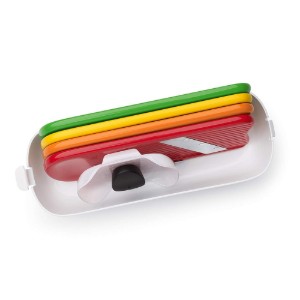
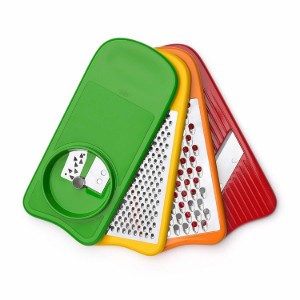
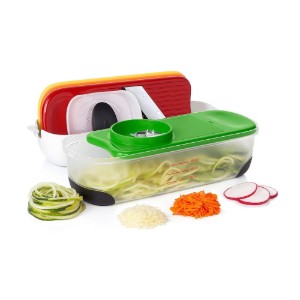
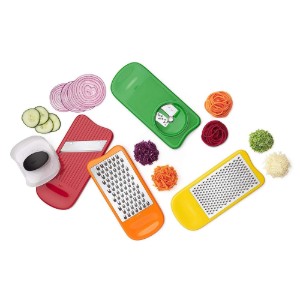
6-piece set for grating and slicing, "Good Grips" - OXO
Code: 11243900