




































































You might have heard of food blanching, but you're not sure what it entails. Or maybe you've come across recipes that say "blanch vegetables for 2 minutes and then put them in ice water" and wondered: why do we even do that?
Blanching is one of the simplest techniques we can learn in the kitchen. Not only does it help keep vegetables fresh, colorful, and crunchy, but it also makes cooking them later easier. It's like a little prep before the big recipe. And if you're used to freezing vegetables at home, this technique is essential.
What is food blanching?
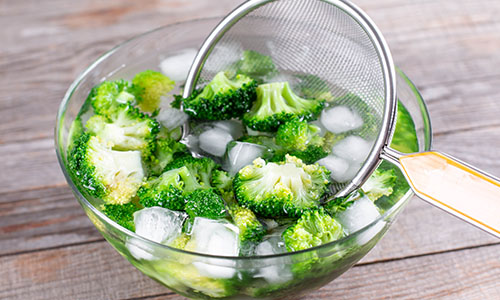
Blanching means boiling vegetables for a very short period of time, usually 1-3 minutes, then immediately taking them out and placing them in a bowl of very cold water, ideally ice water. This instantly stops the cooking process and preserves the color, texture, and vitamins.
It's a technique used in restaurants, but it's also very easy to apply at home. Basically, it's a simple way to make vegetables look better, taste better and preserve better.
How to do it, step by step
You don't need any fancy equipment for blanching, just a stockpot, boiling water, a bowl of cold water, and some patience.
1. Prepare the vegetables
Wash the vegetables well, peel them if necessary, and cut them into equal-sized pieces. This way they will all cook at the same time.
2. Boil the water
We put a large stockpot of water on fire. We add a little salt – this helps maintain the color.
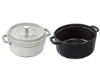
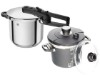
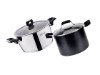
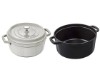
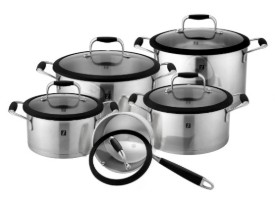
For larger quantities of vegetables, a solid and spacious stockpot in which they boil quickly and evenly is a great help. An excellent choice is the stainless steel pot with lid, 24cm/8L, "Atlantis" - Demeyere, spacious and durable, perfect for blanching or other foods that require volume.
3. Put vegetables into water
When water boils, add the vegetables. Leave them for just enough time, usually between 1 and 3 minutes, depending on the type of vegetable. Broccoli or peas need less, carrots a little more.
4. Remove and cool immediately
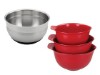
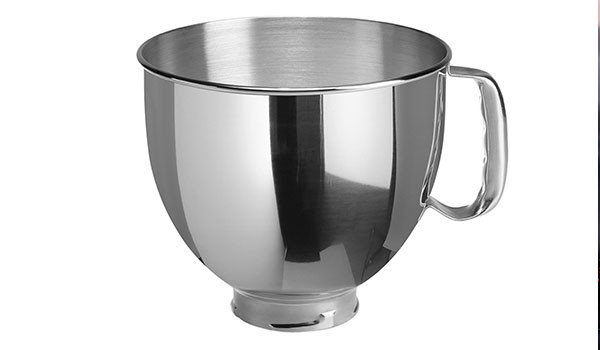
Immediately after removing the vegetables, place them in a bowl of very cold water and ice cubes. This step stops the cooking process instantly and preserves their color and texture. A deep, sturdy bowl is ideal for this, such as the 4.8L Stainless Steel Bowl, Polished - KitchenAid, which is easy to clean and remains as good as new even after repeated use.
5. Drain and dry
After 2-3 minutes in cold water, take the vegetables out and place them on a clean towel to drain.
What type of vegetables is suitable for blanching?
Not all vegetables need to be blanched, but the most common ones that benefit from this technique are:
- Broccoli
- Cauliflower
- Carrots
- Green beans
- Peas
- Brussels sprouts
- Asparagus
- Zucchini (if we want to freeze it)
Steam or boiling water blanching?
There are two main methods for blanching: in boiling water and steaming. Both work, but there are slight differences between them.
Blanching in water
This is the most commonly used method. Vegetables are immersed directly in boiling water, then transferred to ice water. It is a quick and easy method to apply.
Steam blanching
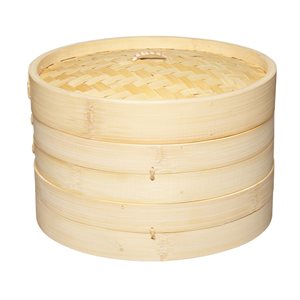
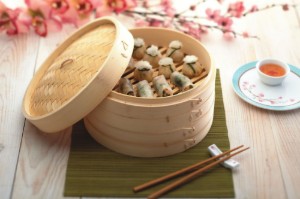
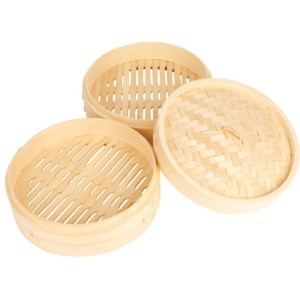
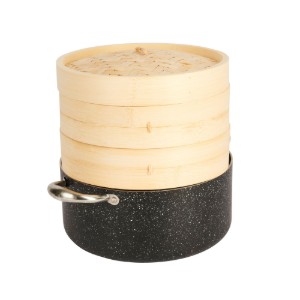
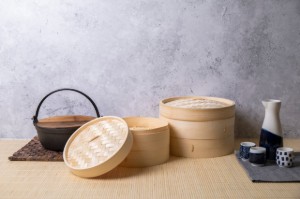
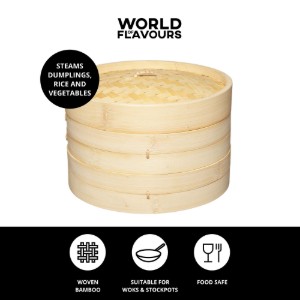
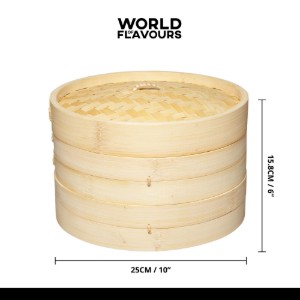
Vegetables are placed in a sieve over boiling water, and the steam gently cooks them. It is a slightly gentler method, better preserving vitamins and natural flavor.
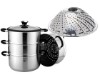
Kitchenshop Recommendation: 3-piece steamer, aluminum, 33x26cm/6L - AMT Gastroguss
If you want to freeze vegetables and preserve as many nutrients as possible, steaming is a good choice. If you want speed, go for the classic option – boiling water.
Common mistakes when blanching vegetables
Even though it seems like a simple technique, there are a few things we should avoid:
- Leaving the vegetables too long in water: If we forget about them, in the stockpot, they will soften too much and lose their texture. Time the time, 1-3 minutes is enough.
- We don't cool them immediately: Cold water stops the cooking process. Without this step, vegetables continue to soften and become bland.
- We don't put enough water: Vegetables need room to move in the water – otherwise they won't cook evenly.
- Cut pieces that are too large or uneven: If the pieces are not of a similar size, some will cook too quickly, others too slowly.
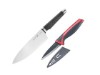
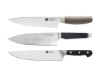
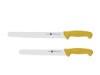
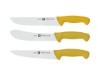
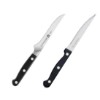
To cut vegetables with ease, Kitchenshop recommends the 20 cm, Professional S slicing knife, balanced, very sharp and easy to use even during longer cooking sessions.
When does food blanching help us?
Blanching is useful in many recipes. Here are a few situations where it helps us saving time time and preserves flavors:
When freezing vegetables
If we want to keep peas, broccoli or carrots in the freezer, blanching is a must. It keeps them fresh and tasty.
In warm salads
Lightly blanched vegetables stay crunchy but not raw. They're perfect for winter salads or for side dishes.
In soups or quick dishes
Blanching shortens cooking times in recipes. Carrots or green beans soften quickly if they have been blanched first.
When we remove the peel
Tomatoes, peppers or almonds are much easier to peel if we blanch them for 20-30 seconds.
A simple but very effective technique
Blanching helps us keep vegetables colorful, crunchy, and full of flavor. It doesn't take a lot of time or fancy equipment – just a little organization and some appropriate utensils.
Whether we want to freeze vegetables, use them in salads, or prepare quick meals, blanching makes our lives easier in the kitchen.
And if we want everything to work out better and faster, we can take a look at Kitchensop.eu, where we can find everything we need to cook with pleasure and great results.
Other recommended products:
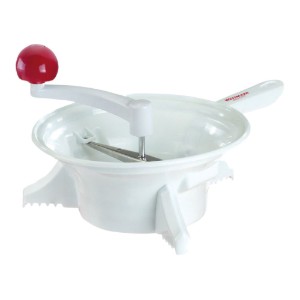
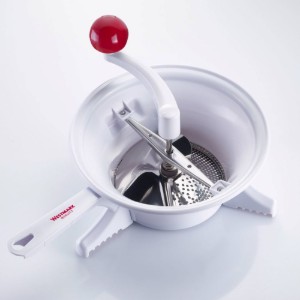
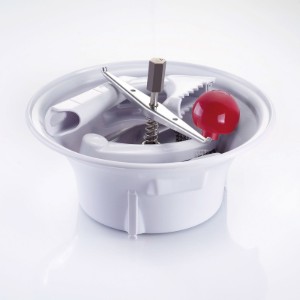

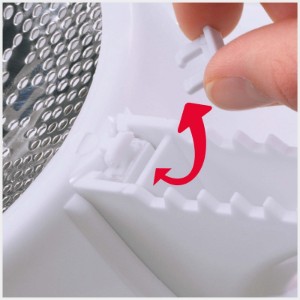
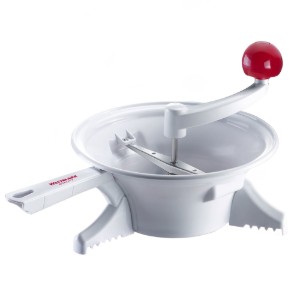
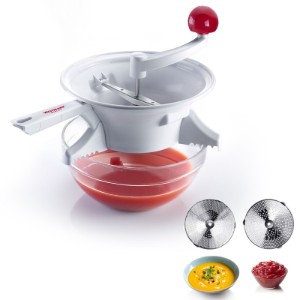
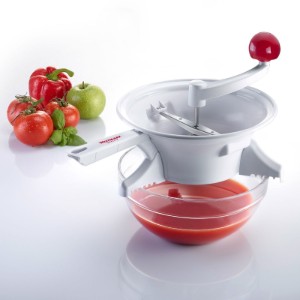
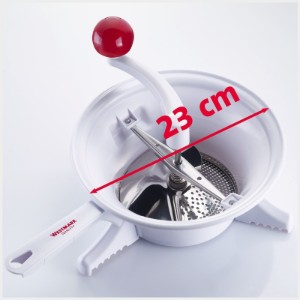
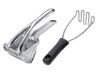
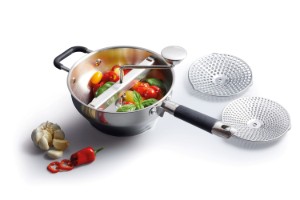
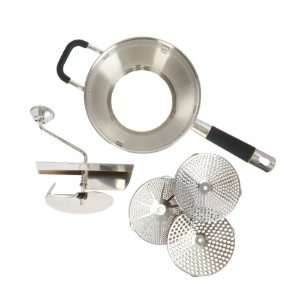
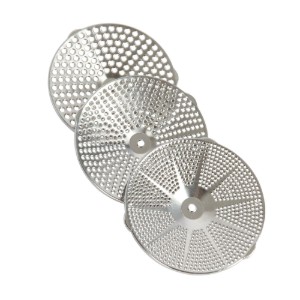
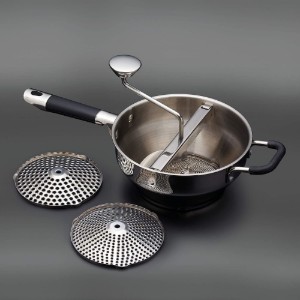
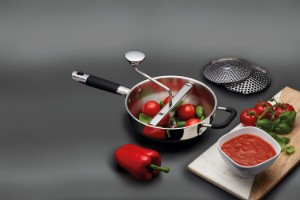
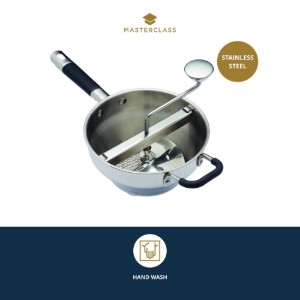
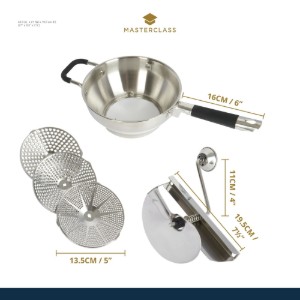
Device for mashing vegetables and fruit, 23 cm - Westmark
Code: 11962260
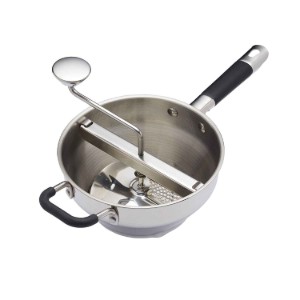
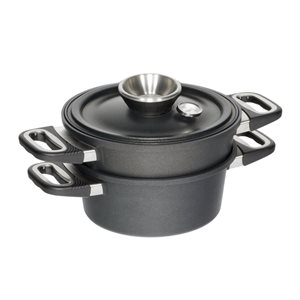
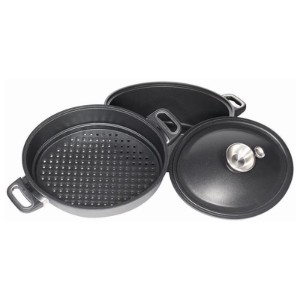
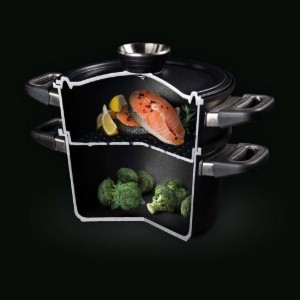
3-piece steam cooking set, aluminum, 33 x 26 cm / 6 L, induction - AMT Gastroguss
Code: I3326SET
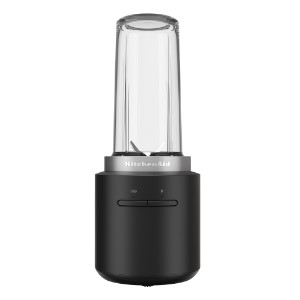
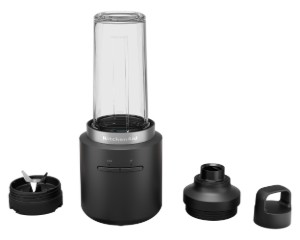
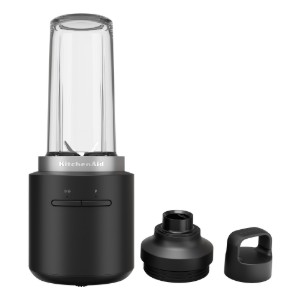
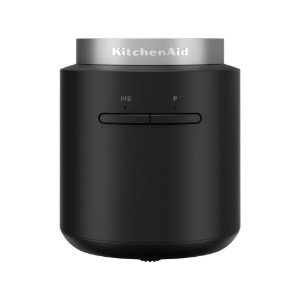
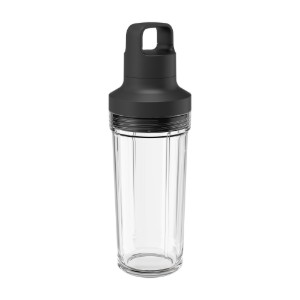
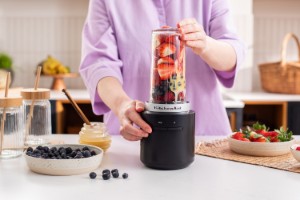
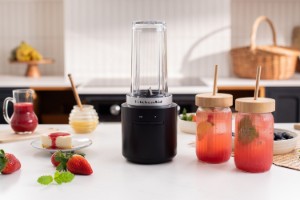
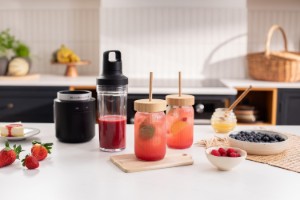
Blender "Go Cordless", without battery, 0.47L, Matte Black - KitchenAid
Code: 5KSBR200BM
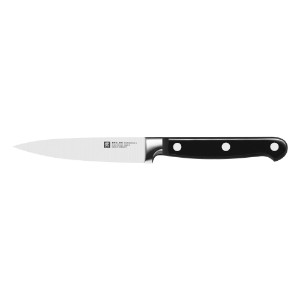
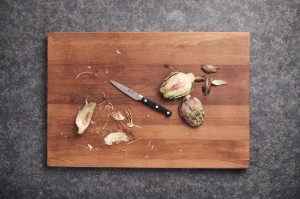
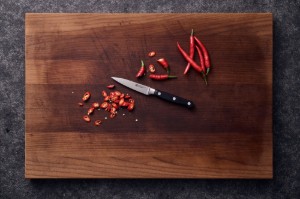
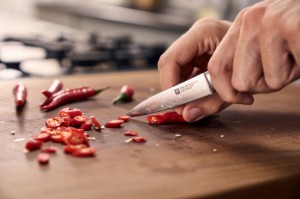
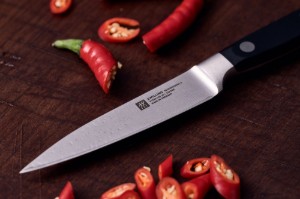
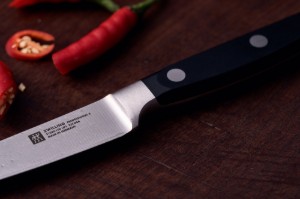
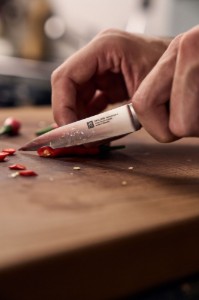
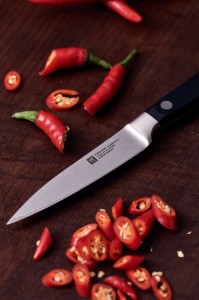
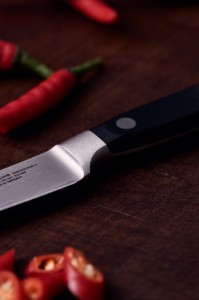
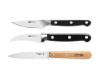
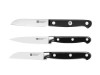
Knife for vegetables and fruits, 10 cm, <<Professional S>> - Zwilling
Code: 31020101
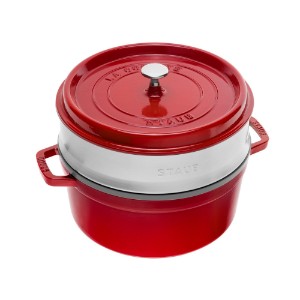
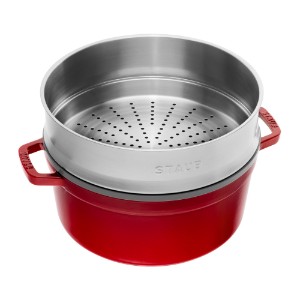
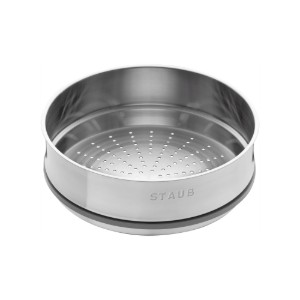
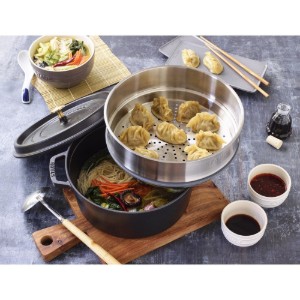

Cast iron Cocotte cooking pot, with steam cooking accessory, 24cm/3.79L, Cherry - Staub
Code: 13242406
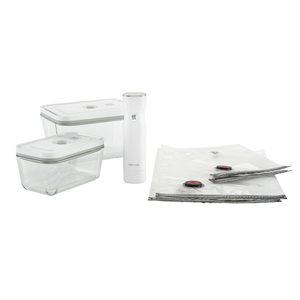
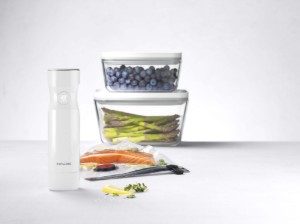
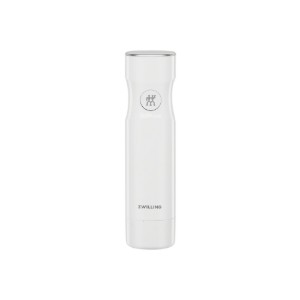
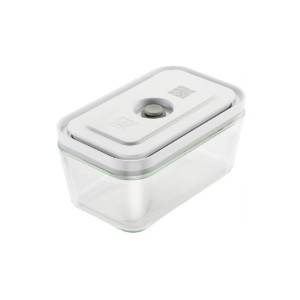
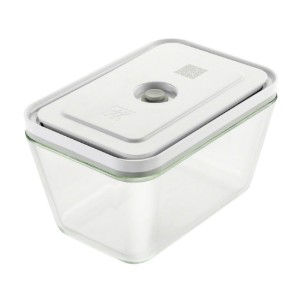
7-piece vacuum seal set "FRESH & SAVE" - Zwilling
Code: 36806007