






















































Fermented foods have been the talk of the town for some time now – that they are good for your health, that they help with digestion, that you can make them at home. But what exactly are they and how can you easily incorporate them into your meals? They are foods that, instead of spoiling, are transformed – thanks to good bacteria, which change their taste, preserve them for longer and yet improve them. It sounds complicated, but it is actually a natural and simple process. And the good thing is that we can do it ourselves, in our own kitchen.
What does fermentation mean?
Fermentation is a process that's been around for thousands of years. It is how people preserved food for longer, without refrigerators, without preservatives. All they used was salt, the right temperature and patience.
During fermentation, beneficial bacteria convert sugars in food into acids or gases. This process not only extends the food's shelf life of food, but also gives it a distinctive, tangy flavour that is sometimes slightly effervescent. And, most importantly, it adds probiotics - the good bacteria our gut needs.
Benefits of fermented foods
Why should we eat them? Because they help us in many ways:
- They are good for digestion. Probiotics support gut flora and help us digest food more effectively.
- They boost our immunity. A large part of the immune system is located in the gut. A balanced gut means stronger immunity.
- They help us absorb nutrients better. Vitamins and minerals are more easily absorbed from food if we have healthy gut flora.
- They have a rich and interesting flavour. Often, even a simple dish comes to life if we add a little pickle or a spoonful of plain yogurt.
Popular examples of fermented foods
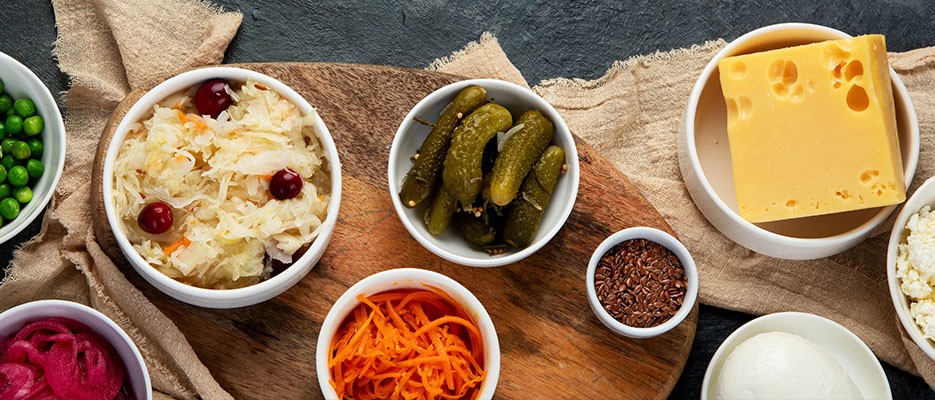
You may not know it, but many of the foods we eat regularly are fermented:
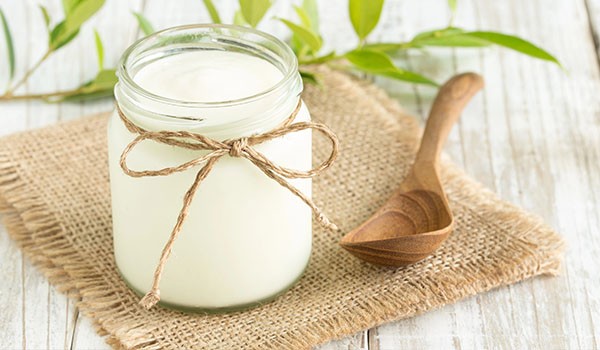
- Yogurt – made from milk fermented with lactic acid bacteria. It is a natural probiotic and goes great with breakfast or in sauces.
- Kefir – a slightly tangy drink, packed with good bacteria.
- Sauerkraut – a staple in many homes, especially in winter. It is a fermented superfood!
- Pickled cucumbers – when made without vinegar, using only brine, they are naturally fermented.
- Kombucha – a slightly tangy fermented tea that is becoming increasingly popular.
- Kimchi – spicy fermented cabbage, a staple of Korean cuisine.
- Miso – fermented soybean paste, widely used in Asia.
- Tempeh – another fermented soy-based food, very high in protein.
Can we make fermented foods at home?
Yes, and it's actually easier than it seems. All we need are some basic ingredients, clean utensils and a little patience. The advantage? We know exactly what goes into the jar, we avoid preservatives and we get a customized flavour, just the way we like it.
What we need for fermentation at home
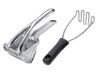
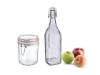
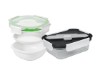
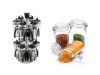
If we want to start fermenting vegetables or other foods, we need a few basic tools. First, we'll need glass jars with airtight seals, which help maintain an oxygen-free environment and protect the contents during fermentation.
To ensure that vegetables remain completely submerged in the liquid, it is helpful to use a weight that sits directly on top of them in the jar.
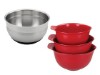
A deep stainless steel bowl is ideal for mixing vegetables with salt, is easy to clean and does not retain odors.
A wooden spoon or a silicone spatula is useful for stirring, especially if we want to avoid scratching the dishes.
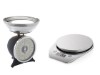
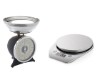
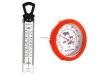
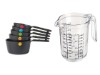
To accurately measure the amount of salt based on the weight of the vegetables, we need a precise kitchen scale. And to check the temperature in the room or in the liquid during the first few days of fermentation, a food thermometer is very useful.
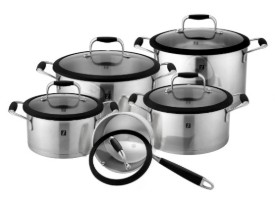
All of these utensils can be found at Kitchenshop, in a variety of models, from basic to professional, depending on what we want to prepare and how often we plan to perform the fermentation process.
How to ferment vegetables step by step
Let's take plain sauerkraut as an example:
- Finely chop the cabbage and place it in a large bowl.
- Add salt (about 2% of the cabbage's weight) and stir it well by hand.
- Let it sit for 30-60 minutes, until it releases its juices.
- Place the cabbage in clean jars, pressing down firmly to remove any air pockets.
- Make sure the cabbage is completely covered with brine. If it is not, add a little more brine (water + salt).
- Loosely close the jars (do not seal them tightly) and leave them at room temperature for 5-7 days. After fermentation, move the jars to the refrigerator. The cabbage is ready to eat and can be stored there for several weeks.
How long does fermentation take?
It depends on the food, the temperature, and the desired flavor. At room temperature (20-22°C), most vegetables ferment between 3 and 7 days. If we want a stronger flavor, we can leave it longer.
Simple recipes with fermented foods
Yogurt with fruit and seeds
A quick and healthy breakfast. Add some fresh fruit, flax seeds, or a few nuts to yogurt.
Sauerkraut salad with pumpkin seed oil
Fermented cabbage, a little pepper, a teaspoon of oil - and you have got the perfect side dish.
Wok with vegetables and tempeh
A quick recipe with Asian influences – carrots, bell peppers, broccoli, a little spring onion and cubes of fermented tempeh.
Kimchi and egg sandwich
A slice of toast, a fried egg, and a spoonful of kimchi on top – a spicy and delicious combination.
Summary
Fermented foods are delicious, easy to make at home and offer real health benefits. They support digestion, boost immunity and provide a natural alternative to processed foods. We can enjoy them on their own, in salads, sandwiches, side dishes or drinks.
And the best part is that we can turn our kitchen into a small laboratory, with jars neatly arranged, working on their own to create a new, vibrant flavour.
If you want to get started, you will find everything you need at Kitchenshop - from jars and utensils, to inspiration and quality items that make cooking easier.
Other recommended products:



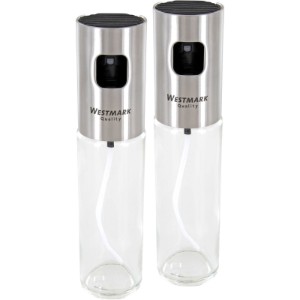
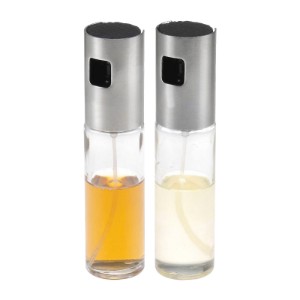
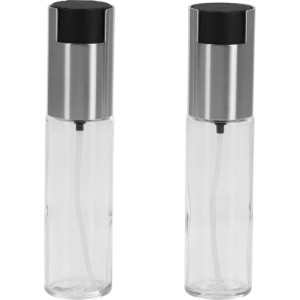

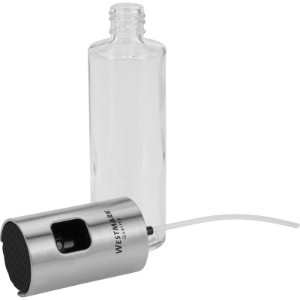
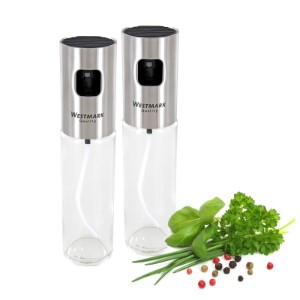
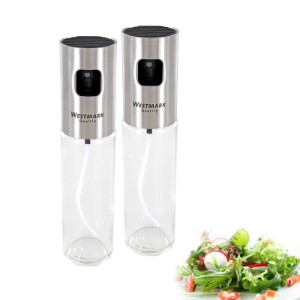
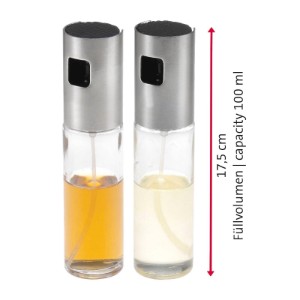
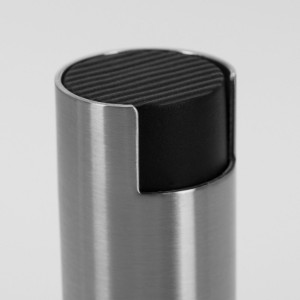
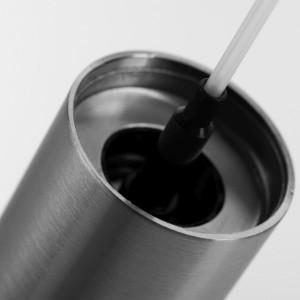
Set of 2 oil/vinegar sprayers, 100 ml - Westmark
Code: 24362260
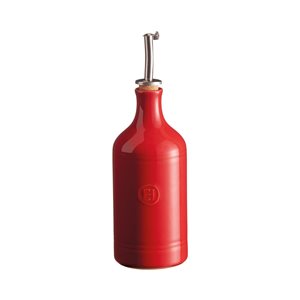
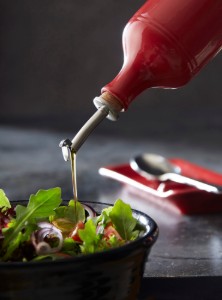
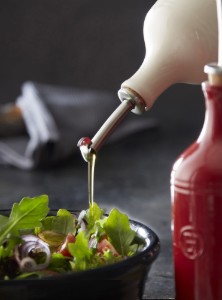
Oil dispenser, ceramic, 0.45L, Burgundy - Emile Henry
Code: 021534
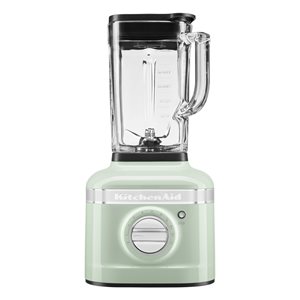
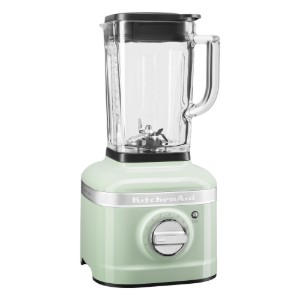
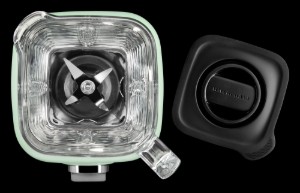
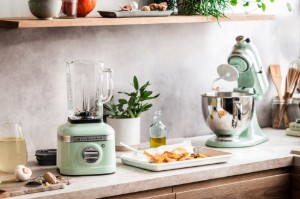
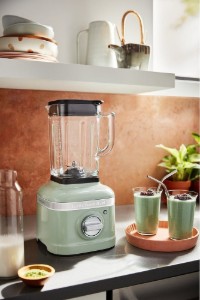
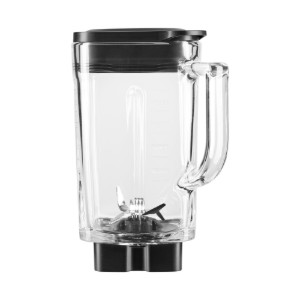
Artisan K400 blender, 1.4 l, 1200 W, "Pistachio" - KitchenAid brand
Code: 5KSB4026EPT