



























































































































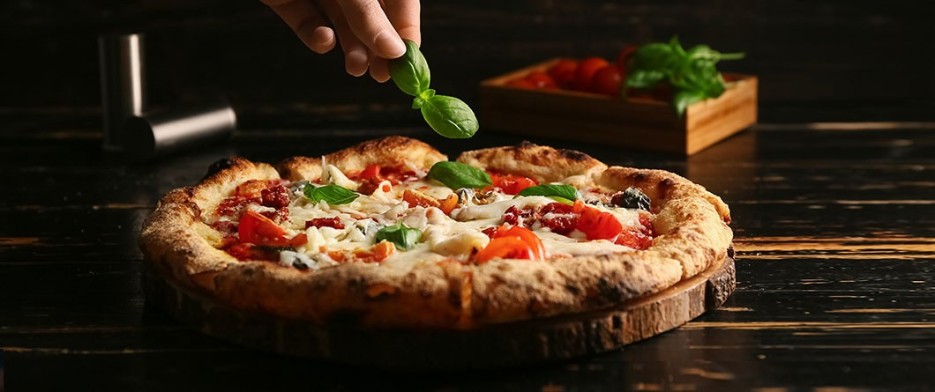
Making pizza at home has become a true art for cooking enthusiasts. Nothing compares to the inviting smell of fresh dough and the authentic taste of a pizza made by your own hands. The secret to a successful pizza lies mainly in the dough.
If you want to impress your family or friends, it is worth learning how to prepare the best pizza base.
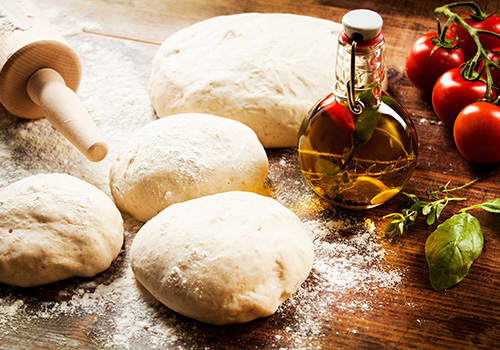
Choosing the right ingredients for a classic pizza base
To obtain the best classic pizza base, you need simple ingredients, but carefully selected. Each one plays an essential role in the texture and final taste of the dough:
- Type 00 flour - very fine, ideal for an elastic dough that is easy to stretch;
- Yeast - dry or fresh, active and properly measured;
- Lukewarm water - helps activate the yeast and form gluten;
- Salt - balances the flavor and strengthens the structure of the dough;
- Sugar - speeds up yeast activation;
- Extra virgin olive oil - adds an aromatic note.
Combined correctly, these ingredients form the base for the best pizza crust, perfect both for a conventional oven and for a stone oven.
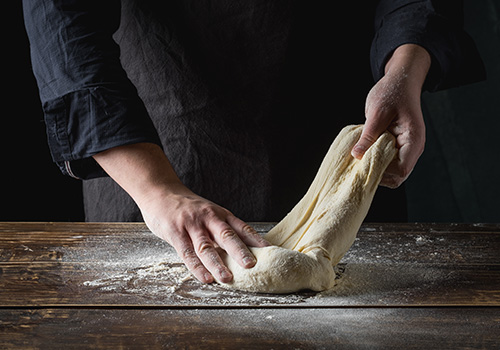
The essential steps for kneading dough
Proper kneading is an essential step in achieving a successful dough. If you want to prepare the best pizza base, you must not rush! The quality of the dough requires patience and technique.
1. Dough preparation
In a large bowl, combine the flour with the salt. Separately, dissolve the yeast and sugar in lukewarm water (approx. 35-37°C) and let them activate for a few minutes. Pour the liquid over the flour and start mixing with a spoon or by hand. Once the dough begins to take shape, add the olive oil.
The actual kneading takes 10-15 minutes. If done by hand, you push the dough with the heel of the palm, then fold and rotate it. Repeat this until it becomes elastic, homogeneous, and slightly sticky, but not soft. If you use a stand mixer, use the dough hook at medium speed.
A well-kneaded dough helps achieve an airy and firm structure. This is the only way you can get the best pizza base, with a fluffy interior and crispy edges, just like in authentic Italian pizzerias.
2. Leavening time and useful tricks
Leavening is perhaps the most underestimated step in dough preparation, but it directly influences taste, texture, and digestibility. If you want a successful pizza base, it is essential to pay attention to this process.
After the dough is properly kneaded, form a ball and place it in a bowl greased with a little oil. Cover it with a clean towel or cling film. You can choose two rising methods:
- Dough rising at room temperature: between 1 and 2 hours, until the dough doubles in volume.
- Slow leavening, in the refrigerator: involves leaving the dough cold for 8 to 48 hours. This method develops complex flavors and an airy texture - a secret used by professionals to obtain the best pizza base.
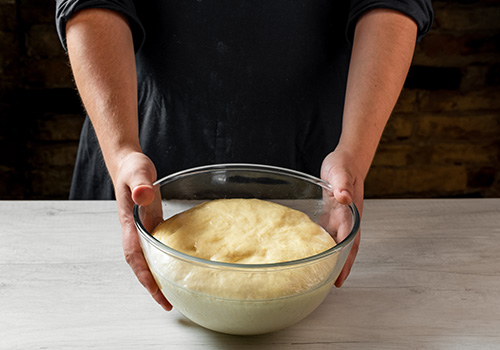
Important: After the dough is taken out of the refrigerator, it must be shaped into dough balls (paline), and left to rise for another 60 minutes at room temperature. It is important to note that the correct size of each dough ball is 280 grams.
Before use, bring the dough to room temperature for 30-60 minutes so it is easy to shape. Let’s not forget: over-leaven dough becomes difficult to handle and has a slightly sour taste.
3. Proper shaping and baking
After the dough has risen, an essential step follows that transforms a simple recipe into a culinary masterpiece: shaping and baking. If you truly want the best pizza base, it is important to pay attention to every detail.
Shaping must be done gently, in order to preserve the air bubbles formed during fermentation. You start by sprinkling a little flour on the work surface, then take a piece of dough and gently flatten it with your fingers, from the center toward the edges. Avoid using a rolling pin, because it presses the dough too strongly and destroys its airy texture. Stretch it until you reach the desired thickness, keeping the edge slightly thicker.
Baking is the moment when everything comes to life. The oven must be preheated to maximum temperature (ideally above 250°C) for at least 30 minutes. If you have a pizza stone or steel, it is recommended to use it, as these imitate the temperature of wood-fired ovens and provide fast, even baking. In their absence, use a preheated pizza tray placed as low as possible in the oven.
Baking time varies between 6 and 10 minutes, depending on the thickness of the dough and the oven temperature. The base should be crispy on the outside, but soft and airy on the inside.
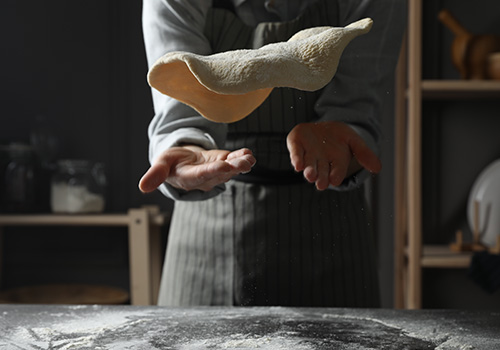
Therefore, preparing the perfect dough starts with high-quality ingredients, continues with careful kneading, proper fermentation, and ends with precise baking. If you follow these steps, you will be able to enjoy at home the best pizza base, with a crispy texture, an airy interior, and an authentic taste.
Gluten-free pizza dough
Ingredients for 4 dough balls:
- 540 g gluten-free flour,
- 430 ml warm water,
- 17 g salt,
- 10 g dry yeast (note: some types may contain gluten),
- 15 ml olive oil.
Preparation method:
- Activate the yeast: put two thirds of the water in a large bowl. Heat the rest of the water until it reaches boiling point and add it over the cold water in the bowl, thus obtaining the optimal temperature for activating the yeast. You add the salt, yeast, and olive oil, mixing well.
- Forming the dough: in another bowl, place the flour and pour the yeast mixture over it. Mix with a wooden spoon until the dough begins to come together. Transfer the dough onto a floured surface and knead with both hands for about 10 minutes, until it becomes firm and well combined. Gluten-free dough will not be as elastic as dough with gluten, but it will become smooth and glossy.
- Letting the dough rise: put the dough back into the bowl, cover it with cling film, and let it rise in a warm place for 1-2 hours, until it doubles in volume.
- Portioning the dough: after the dough has risen, divide it into 3 or 4 equal portions, each weighing approximately 250 g. Do not worry if the dough deflates slightly at this stage - this is normal.
- The second leavening: place the dough portions into dough balls (paline) and cover them. Let them rise in a warm place for at least one hour and up to a maximum of five hours, until they double in size.
- Shaping the pizza base: With your fingers, gently press the center and stretch the dough outward, being careful not to press the edges, in order to achieve a nice crust. You can also stretch it sideways, gently pulling it with your palms. Gluten-free dough is more delicate, so you handle it carefully to avoid tearing.
- Check that the dough does not stick to the tray: After stretching the dough to a thickness of about 5 mm, you lift the peel and gently shake it to make sure the dough has not stuck.
- Baking the pizza: heat the oven to 250°C. Use an infrared thermometer to check the temperature of the baking stone. Slide the pizza into the oven and rotate it every 20-25 seconds to ensure even baking. The gluten-free crust may look done before it actually is, so do not hesitate to leave it a little longer. If the edges burn slightly, you can remove them after baking.
- Enjoy the result: take the pizza out of the oven, let it cool slightly, slice it, and serve it with pleasure alongside friends and family.
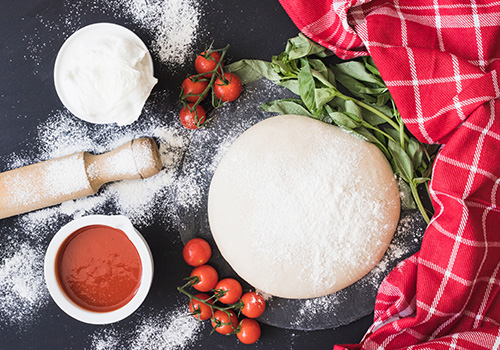
Neo-Neapolitan pizza dough
Ingredients for 4 dough balls:
- 588 g bread flour,
- 66 g whole wheat flour,
- 131 g of natural sourdough starter,
- 20 ml olive oil,
- 425 ml water,
- 20 g salt.
Preparation method:
- Preparing the sourdough starter: About 5 days in advance, begin preparing the natural sourdough starter. Let it rest 10 hours before starting the dough preparation, preferably at an ambient temperature of 18°C.
- Mixing the ingredients: In a large bowl, combine the bread flour, whole wheat flour, and salt. In another container, mix the active sourdough starter with water and olive oil. Pour the liquid mixture over the dry ingredients and mix until you obtain a homogeneous dough.
- Kneading the dough: transfer the dough onto a floured surface and knead it for about 10 minutes, until it becomes smooth and elastic.
- Letting the dough rise: place the dough in a clean bowl, cover it with cling film, and let it rise at room temperature for 4-5 hours, until it doubles in size.
- Portioning the dough: After leavening, divide the dough using dough balls (paline) into 4 equal balls. Place them in a covered container and let them rest at room temperature for 60 minutes.
- Cold fermentation: transfer the dough balls to the refrigerator and let them ferment cold for 48 hours. This slow fermentation develops the dough’s flavor and texture.
- Preparing the pizza: About 2 hours before baking, take the dough out of the fridge and let it come to room temperature. On a lightly floured surface, stretch each dough ball.
- Baking the pizza: heat the oven to 250°C and bake the pizza for 1-2 minutes, rotating it every 20-25 seconds for even cooking.
Enjoy cooking and bon appétit!
Other recommended products:
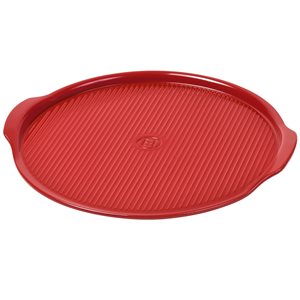
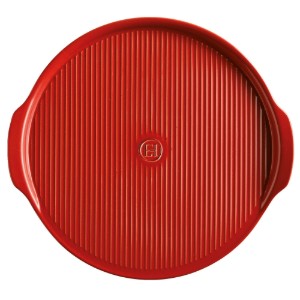


Pizza tray, ceramic, 40cm, Burgundy - Emile Henry
Code: 761434
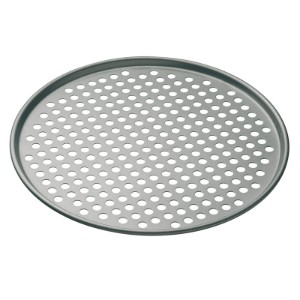
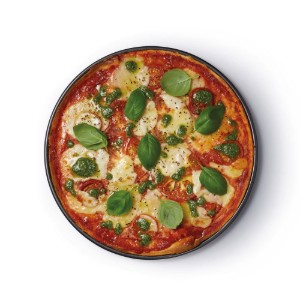
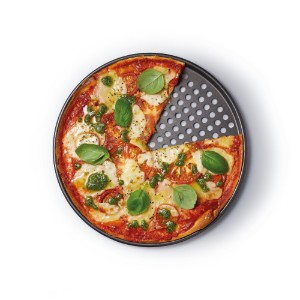
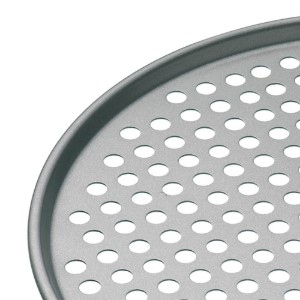
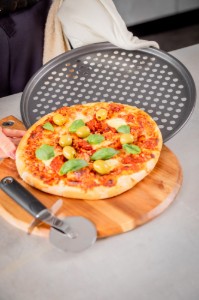

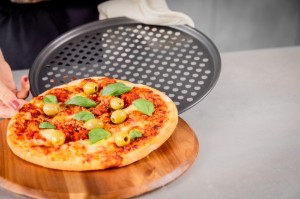
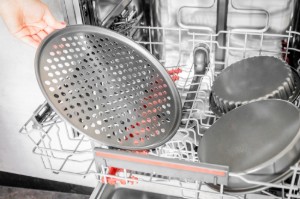

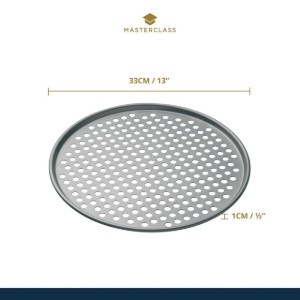
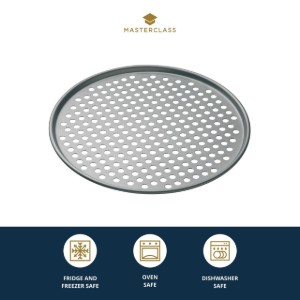
Pizza tray, perforated, 33 cm, steel - MasterClass
Code: KCMCHB14
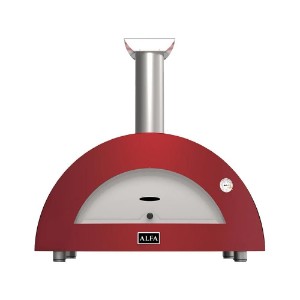
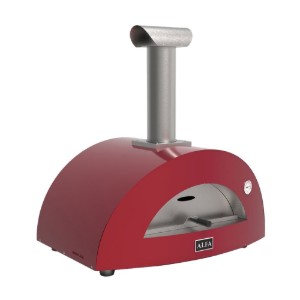
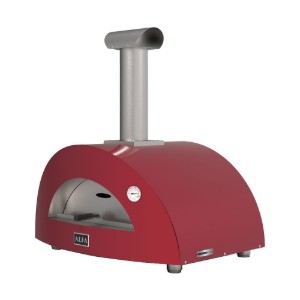
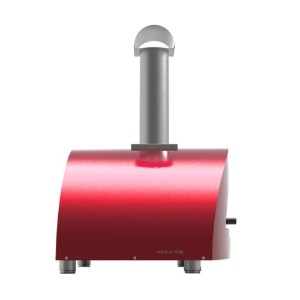
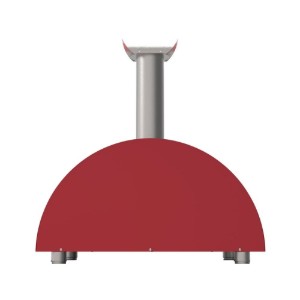
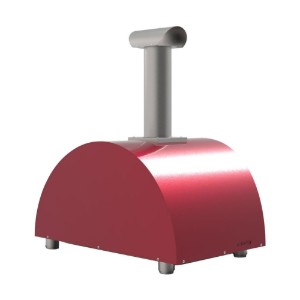
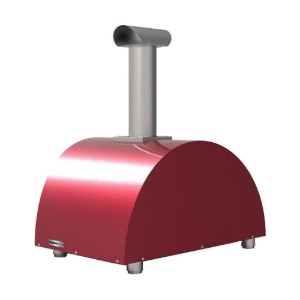
Wood-fired pizza oven, Moderno 2 Pizze, Red - Alfa
Code: FXMD2PLROA




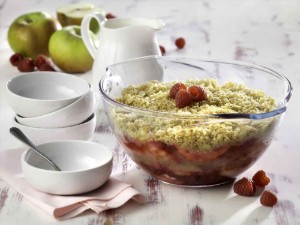
Preparation bowl, heat-resistant glass, 2.7 L - PYREX
Code: 404B000
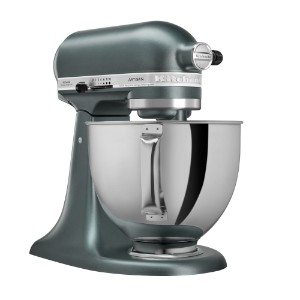
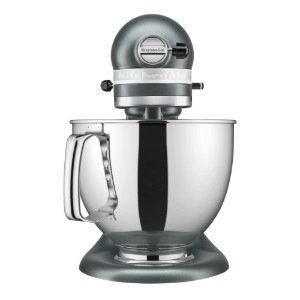
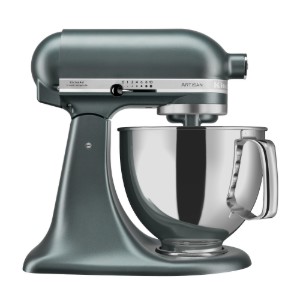
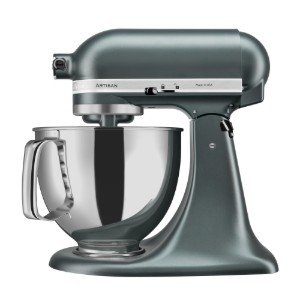
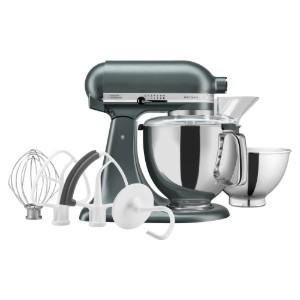
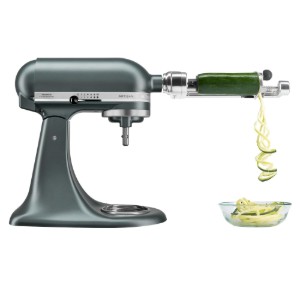



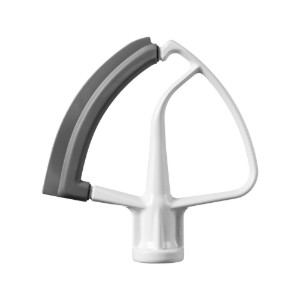
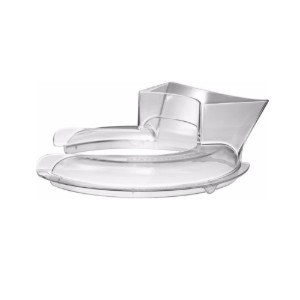

"Artisan" stand mixer, with 4.8 L bowl, Model 175, "Juniper" - KitchenAid
Code: 5KSM175PSEJP
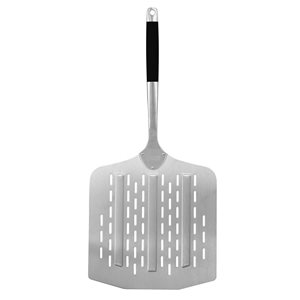
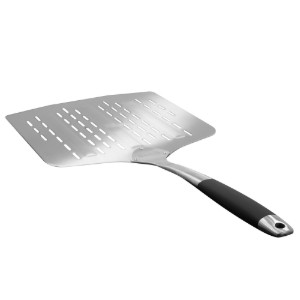
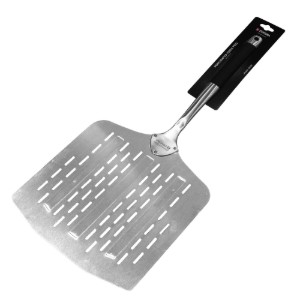
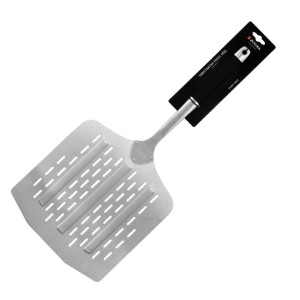
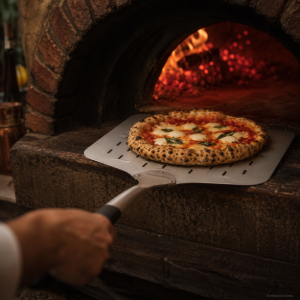
Perforated pizza paddle,66 × 30 cm, stainless steel - Zokura
Code: Z1325
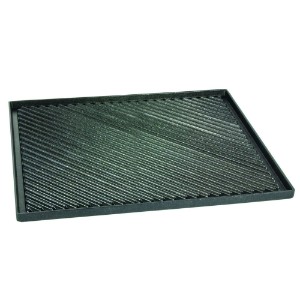

Grill / Pizza hotplate, aluminum, 60 x 40 cm - AMT Gastroguss
Code: 16040G