



































































A tender pastry dough is not just about taste, it is an experience in itself: a crisp outer texture, a light interior, full of flavor. For pâte brisée (a neutral dough, perfect for quiches) or pâte sablée (sweet and completely crisp), there are a few secrets that make all the difference. It all starts with cold ingredients, the right technique, and a well-chosen food processor. Let’s discover step by step how to achieve perfection in every sheet of dough!
1. Cold ingredients - the foundation of tender pastry dough
Cold butter and ice-cold water are essential. The butter is cut into cubes and added directly from the refrigerator. The lack of heat prevents it from melting, which preserves the crumbly structure.
- The cold butter ensures that after baking, you get that slightly “tender” layer texture.
- The water must be very cold. With every drop added, you move quickly, without excessive kneading.
Without cold ingredients, the gluten activates too much, and the dough becomes elastic instead of tender.
2. Quick mixing, without excess gluten
The key is the consistency of “large crumbs the size of peas.” The butter and flour should be mixed only enough to omogenize lightly.
- Either manually - you rub quickly until you obtain crumbs.
- Either with the food processor - use short pulses, until the butter pieces are incorporated.
If you increase the mixing time, instead of obtaining a tender dough, you activate the gluten that makes the dough elastic.
3. Gradually add water - no rush
Add the water gradually and stop immediately once the dough starts to come together. You do not want a perfectly smooth ball - only enough for it to hold together.
- If you add too much, the texture becomes wet and sticky.
- If you add too little, the dough will become crumbly after baking.
You replicate this balance for both pâte brisée and pâte sablée - the only difference being the sugar for the sweets.
4. Cooling in two stages - the real key for the correct result
Immediately after shaping, the dough is formed into a thin disc and left in the refrigerator for 1-2 hours. After it is rolled out and placed in the pan, you chill it again for at least 30 minutes before baking.
Why? Because cooling relaxes the gluten and gives the butter the correct structure. If you bake the warm dough, the crust contracts and becomes stiff.
5. "Fraisage" - manual layering technique
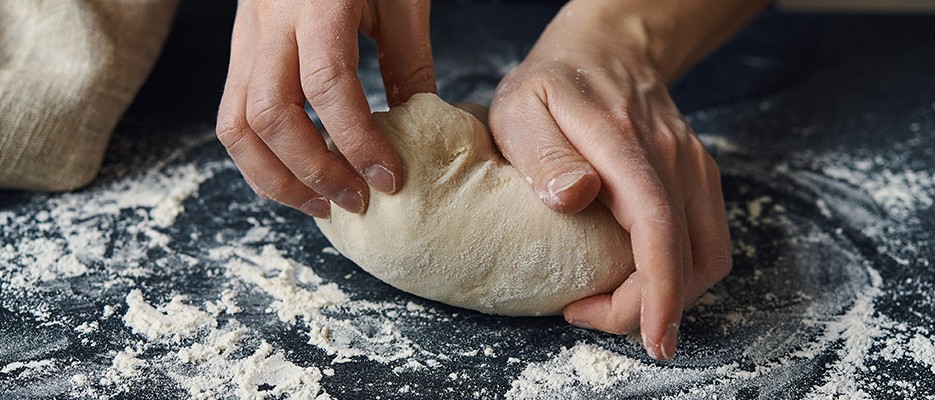
Using the palm of your hand, you “smear” the dough across the work surface, gently stretch it, then fold it back - repeat this a few times. This creates delicate, lightly crisp layers, similar to pastry sheets.
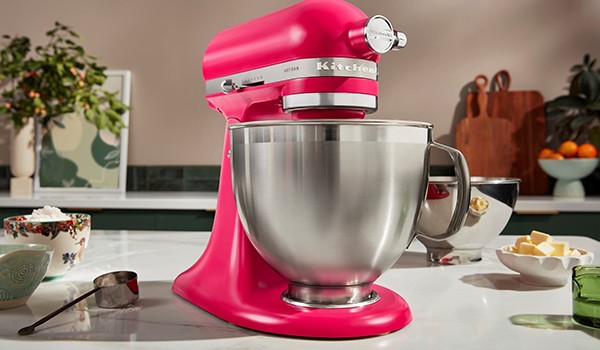
6. Food processor - friend or foe?
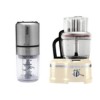
A compact food processor (800 W) can be ideal if used carefully. Advantages:
- Short pulses: mix quickly and evenly without generating heat.
- It requires only a quick mixing - just until the dough begins to bind.
It's important not to overmix - you do not want the dough to warm up, only to achieve the correct structure.
7. Recommended KitchenShop tools
For perfect results, the right kitchen utensils matter:
- Food processor, 300 W - agile, ideal for pulse mixing.
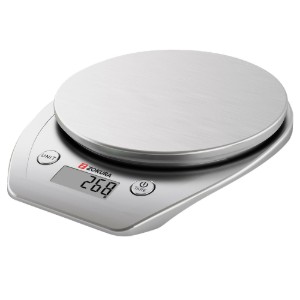
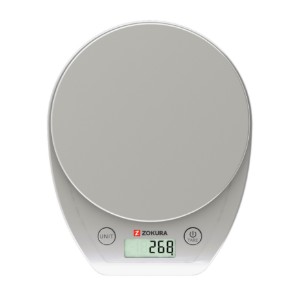
- Kitchen scales - to respect exact quantities for a balanced dough.
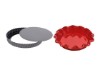
- Tart tray 32 cm - for even baking
- Pastry brush - for gently brushing the tray and the dough
- Cooling rack - to use after baking, so the dough aerates properly, without retaining moisture.
8. Practice and final tips
- Prepare all the ingredients cold and measure them in advance.
- Sprinkle the flour with the cold butter and mix using short pulses.
- Add the cold water gradually, only until the dough begins to hold its shape.
- You follow the three stages: making the dough - cooling in the refrigerator, after shaping - cooling in the tray, after baking - cooling on a rack.
- Bake at 180°C for 20-25 minutes for savory dough (brisée) and 25-30 minutes for sweet dough (sablée, after which extend by 5 min at 200°C for color).
9. Final Benefits
- Crisp crust, light fluffy core.
- Dough that does not crumble or crack before baking.
- Professional appearance - perfect for tarts, quiches, and specialty cookies.
Choose what suits you
An excellent shortcrust pastry is the result of a combination of simple kitchen chemistry, temperature control, carefully managed gluten, and the right technique. By adding one practical key element (a food processor) and the proper tools, a homemade recipe can become almost the work of a pastry chef.
You don’t need a professional course - just patience, dedicated time, and attention to detail. And when you want to simplify your life, KitchenShop offers compact, clear, and efficient solutions: the food processor, the scale, the perfect baking tin - everything you need to enjoy every slice of shortcrust pastry at the highest level. Do you prefer efficiency with a perfect taste and texture? A compact food processor plus the right tools will be essential.
Other recommended products:
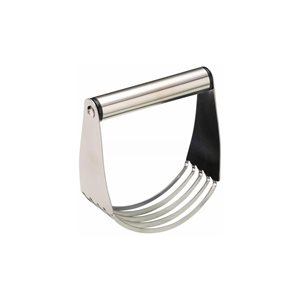
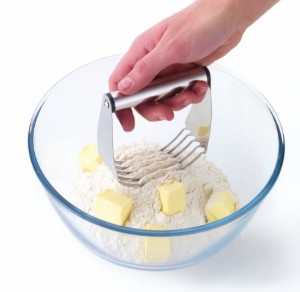
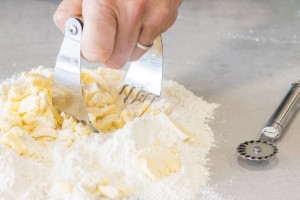
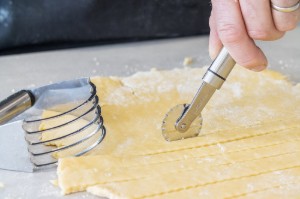
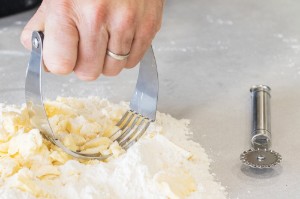
Utensil for flour blending and dough kneading, stainless steel - by Kitchen Craft
Code: KCBLENDERSS
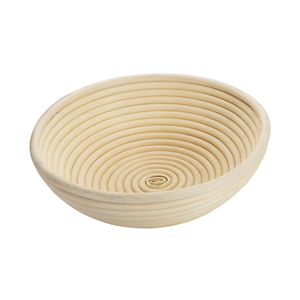
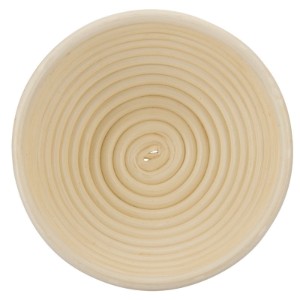
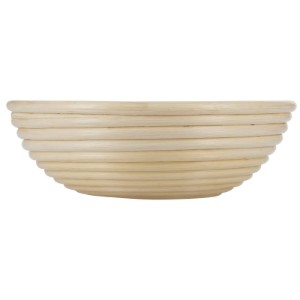
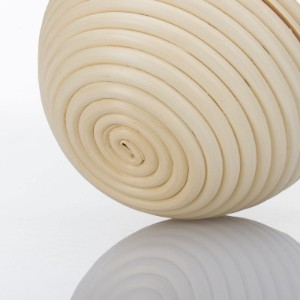
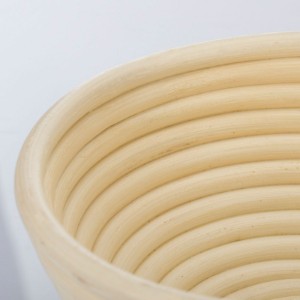

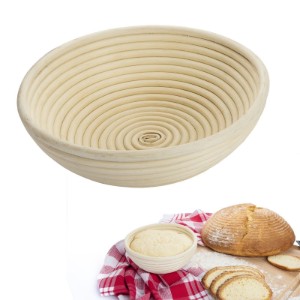
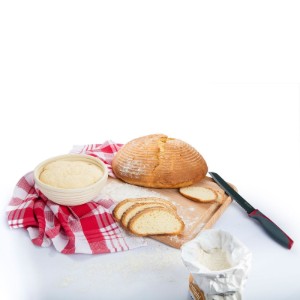
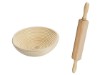
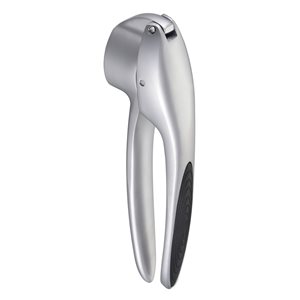
Round basket for dough leavening, 25 cm - Westmark
Code: 32062270
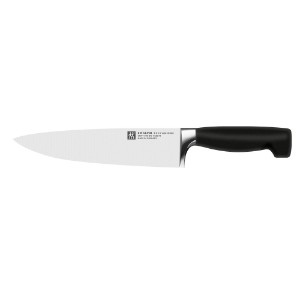
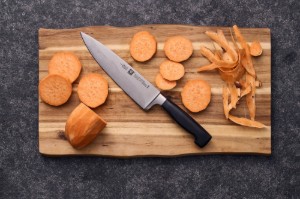
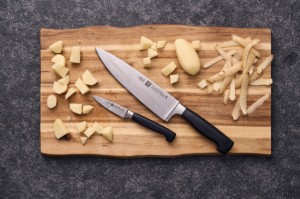
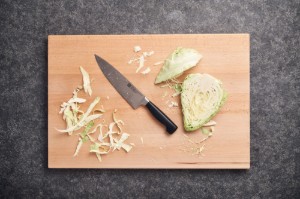
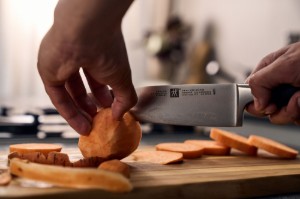
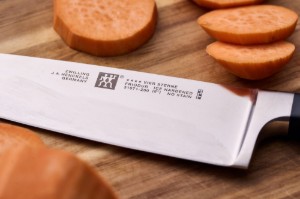
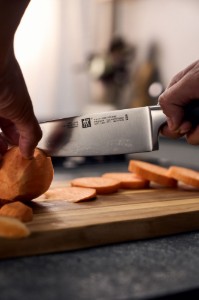
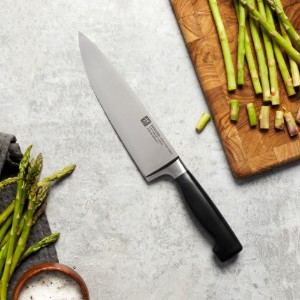
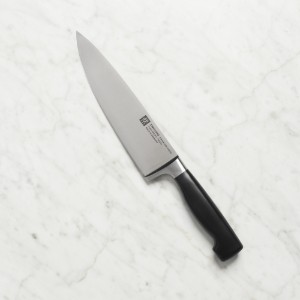
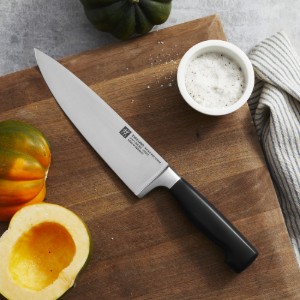
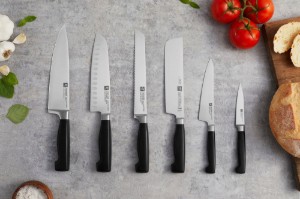
Chef's knife, 20 cm, TWIN Four Star - Zwilling
Code: 31071201
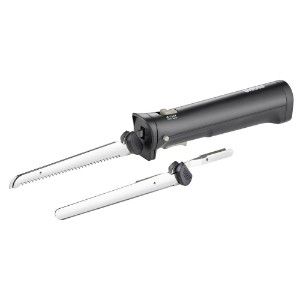
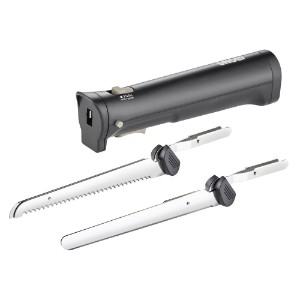
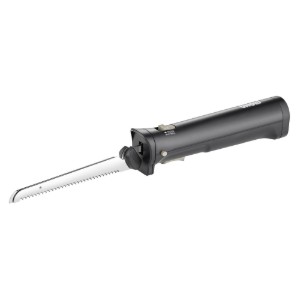
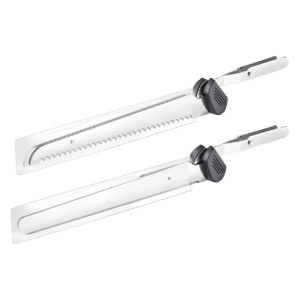
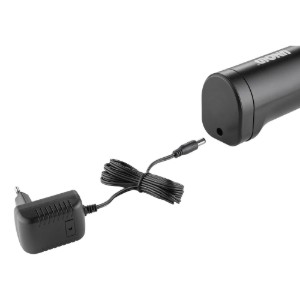
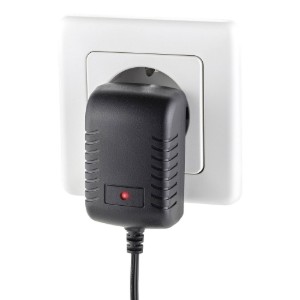
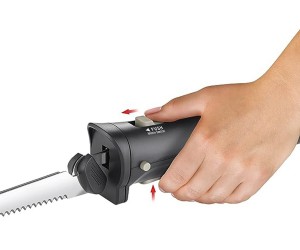
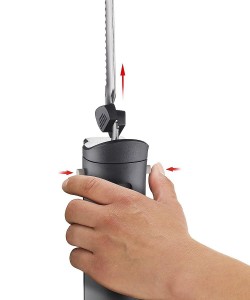
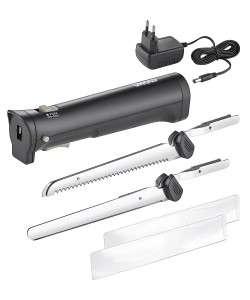
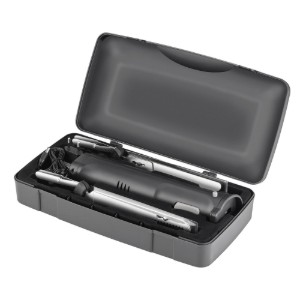
Cordless electric knife, 9W, 47 cm, stainless steel - Unold
Code: U78815
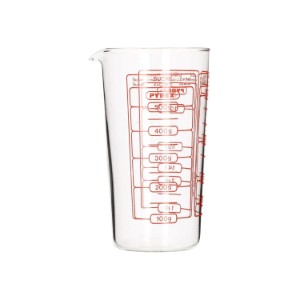
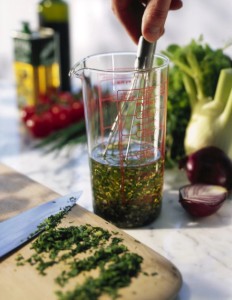
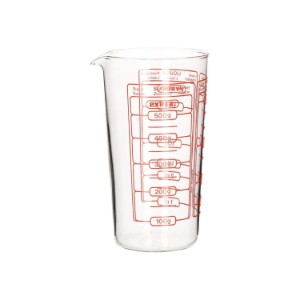
High measuring cup, made of borosilicate glass, 500 ml - PYREX
Code: 888B000
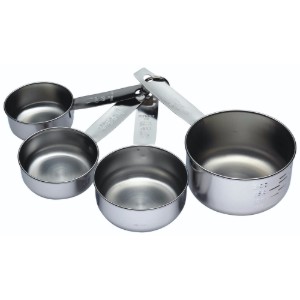
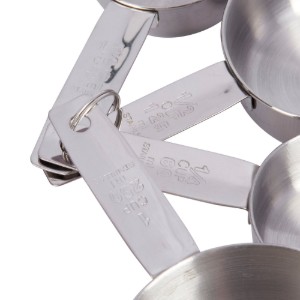
Set of 4 spoons for measuring ingredients, stainless steel - Kitchen Craft
Code: KCCUPSET