
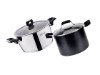
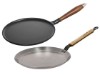
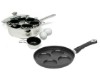





























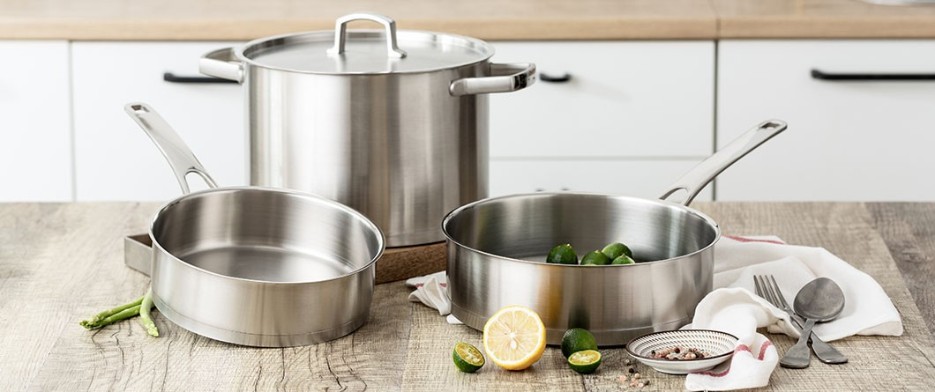
Stainless steel cooking pots are a popular choice in kitchens thanks to their durability and elegant appearance. However, many of us do not know how to clean stainless steel properly and end up making mistakes that lead to scratches, stains, or loss of shine. Improper cleaning can affect not only the appearance of the cookware but also its durability.
Below, we will explain the most common mistakes made when cleaning stainless steel cooking pots:
1. Using abrasive sponges or stiff brushes
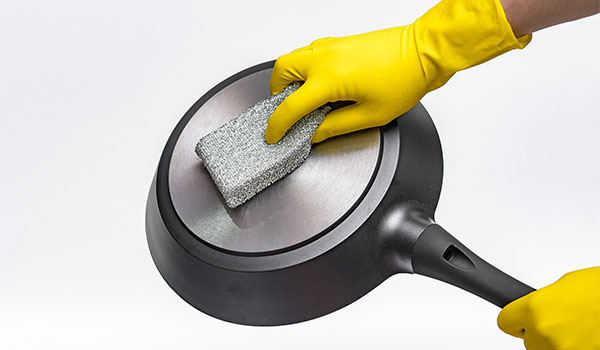
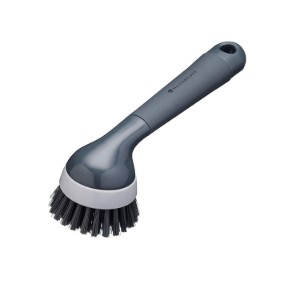
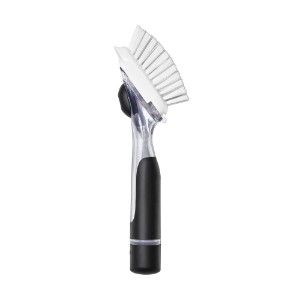
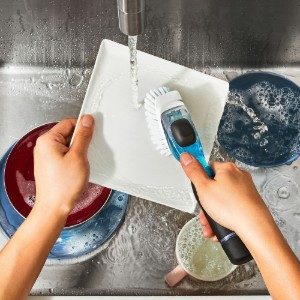
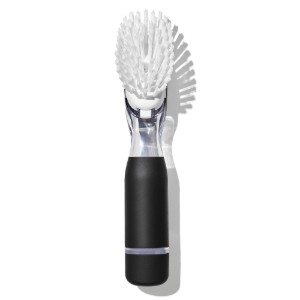
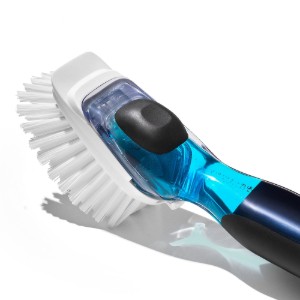
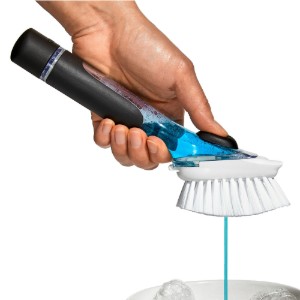
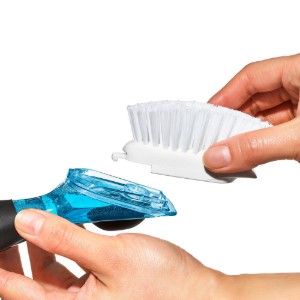
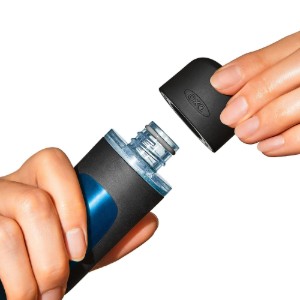
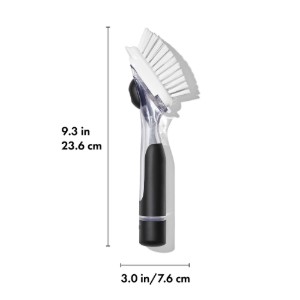
One of the most common mistakes is using abrasive sponges or stiff brushes to clean stainless steel cooking pots. Although this may seem like a quick way to remove dirt, this habit causes fine scratches that, over time, affect the appearance of the cookware and allow hard-to-remove residue to accumulate. Stainless steel does not require aggressive scrubbing to be cleaned effectively.
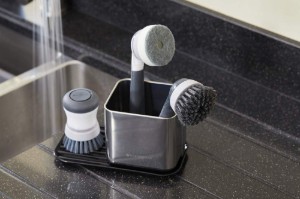
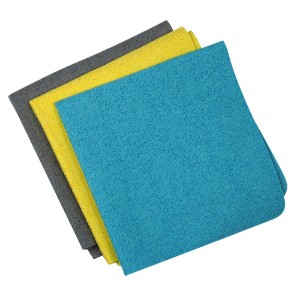
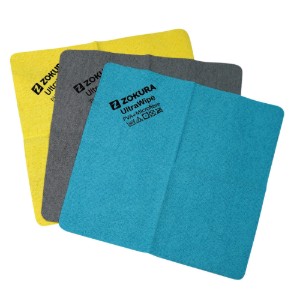
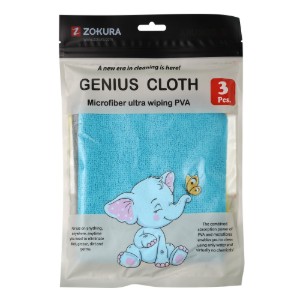
Tip: Choose soft sponges, microfiber cloths, and gentle, non-abrasive cleaning solutions. There are also sponges specially designed for stainless steel. These remove dirt without damaging the surface. If there are burnt-on residues or stubborn stains, it is more effective to soak them in warm water with dishwashing detergent than to scrub them forcefully.
2. Using harsh chemical products
Another common mistake when cleaning stainless steel cooking pots is using harsh chemicals such as bleach, chlorine-based products, or industrial cleaning solutions. Although they promise quick results, this type of cleaning can damage the protective layer of the stainless steel, leading to loss of shine, staining, and even corrosion over time.
Tip: The best options are natural and affordable: diluted white vinegar, lemon juice combined with baking soda and warm water, or a mild liquid detergent. Ideally, we should use only cleaning solutions specially formulated for stainless steel. If we have made a mistake, left food on the heat for too long, and are dealing with stubborn stains on the bottom of the cooking pot, add a little water together with one of the solutions mentioned above and leave it to soak overnight.
So, how do you clean stainless steel safely? The answer is simple - avoid concentrated chemicals and choose solutions that are gentle on the material. This way, your cooking pots will stay looking like new for years.
3. Leaving cookware unwashed for too long
A habit that may seem harmless but is actually very damaging to stainless steel is delaying washing the cookware after use. Food residues, especially acidic ones such as tomato sauce, lemon juice, or vinegar, can stain or even corrode the stainless steel surface if left in the cooking pot for too long. In addition, dried-on residue becomes harder to remove and encourages the use of aggressive cleaning methods.
Tip: It is important to wash cooking pots as soon as possible after use. Even if you cannot clean them thoroughly right away, at least rinse them with warm water. If yellow stains appear, use a paste made from baking soda and water or diluted vinegar.
4. Cleaning the cooking pots while they are still hot
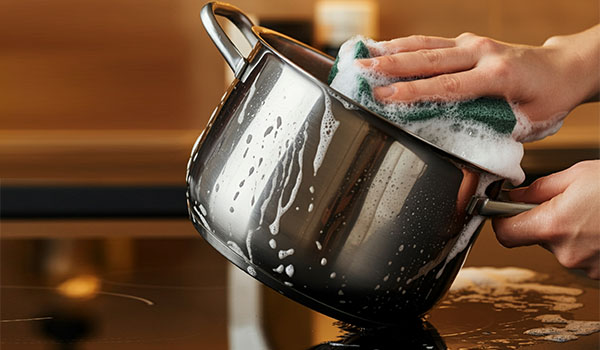
Applying cold water or detergents to stainless steel cooking pots immediately after cooking is a common mistake that can have unpleasant consequences. The sudden change in temperature creates thermal shock, which can warp the cooking pot or weaken the structure of the material. In addition, cleaning a hot cooking pot may lead to staining or cause dirt to harden, especially when dealing with foods containing sugar or fat.
Tip: Ideally, allow the cooking pot to cool completely before washing it. Choose gentle solutions - warm water, mild liquid detergent, or vinegar - which do not require extreme temperatures to be effective.
By understanding what to use to clean stainless steel and applying the right methods, we can prevent damage and clean cookware more easily.
5. Neglecting to dry cooking pots after washing
Although it may seem like an optional step, drying stainless steel cooking pots immediately after washing is essential for maintaining their appearance. Leaving cookware to air-dry on a dish rack can lead to water spots or limescale marks, especially in areas with hard water. These marks affect the shine of the stainless steel and can be difficult to remove later.
Tip: Dry the cooking pot with a soft cloth immediately after rinsing. If stains still appear, use white vinegar or a solution made from baking soda and water.
Proper care and understanding the details of stainless steel cleaning make the difference between a stained cooking pot and one that looks spotless.
Although stainless steel cookware is a popular choice in the kitchen, it is important to follow a few care guidelines to maintain its shine and performance for many years. Here are the essential recommendations:
Do not leave empty cookware on the heat source
Avoid heating stainless steel cookware when it is empty. Prolonged exposure to high temperatures without any food or liquid inside can cause discoloration and stains that are difficult to remove. The most common stains on stainless steel occur for this reason!
Regulate the temperature correctly
Stainless steel is not cast iron, so excessive heat is not beneficial. Use moderate temperatures to prevent damage to the material's structure and to avoid burns or stains caused by overheating.
Avoid thermal shock
Do not place hot cookware directly under cold running water. Sudden temperature changes can warp the cookware and reduce its durability.
Clean regularly, but gently
Wash cookware after every use to prevent food residue from building up. Use a soft sponge and liquid dishwashing detergent. Avoid metal brushes or abrasive sponges, as they can scratch the surface.
Avoid adding salt directly onto a hot surface
When cooking pasta or other foods that require salt, do not sprinkle the salt directly onto the bottom of the hot cooking pot before adding water. Salt can corrode stainless steel if it remains on the surface at high temperatures.
So, proper care of stainless steel cooking pots is not complicated, but it does require avoiding a few common mistakes that can damage the material. Whether we are talking about stains, scratches, or loss of shine, all of these issues can be prevented. When cleaning, choose gentle methods, avoid harsh products, and do not overlook essential steps such as drying.
Other recommended products:
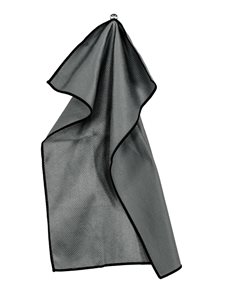
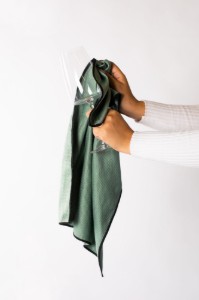
Microfibre drying cloth for drinking glasses, 40 × 60 cm, "Essential", Grey - Tiseco
Code: 9590GREYDARK
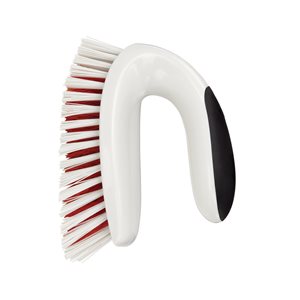
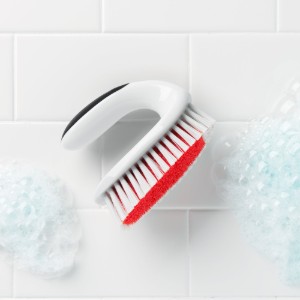
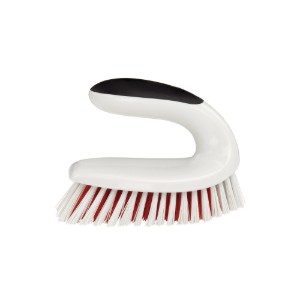
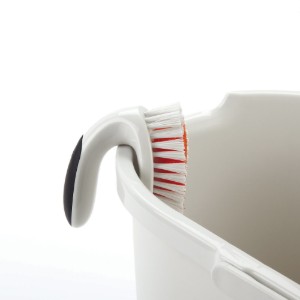
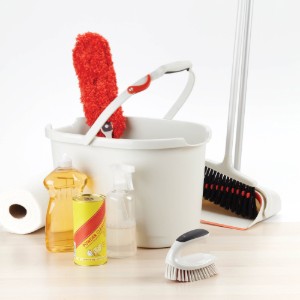
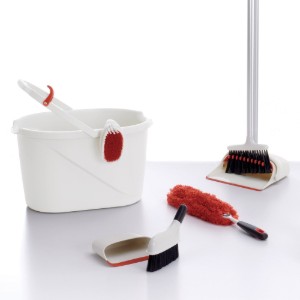
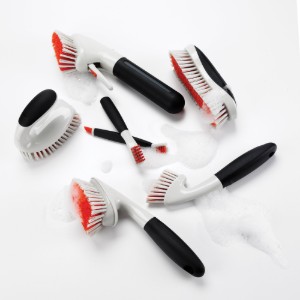
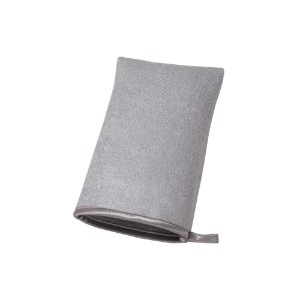
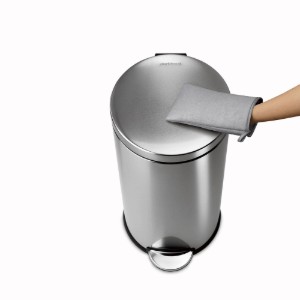
Microfiber mitten for cleaning stainless steel - simplehuman
Code: KT1008
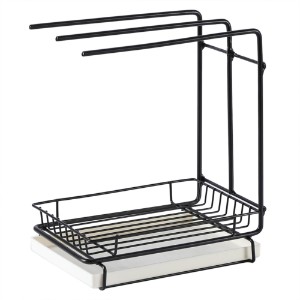
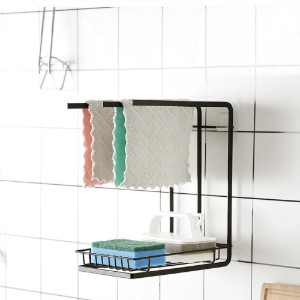
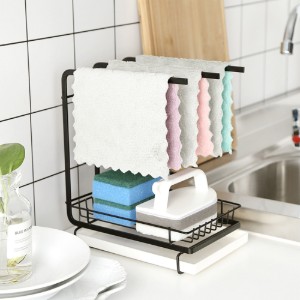
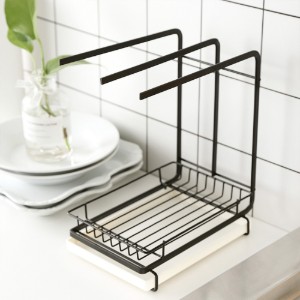
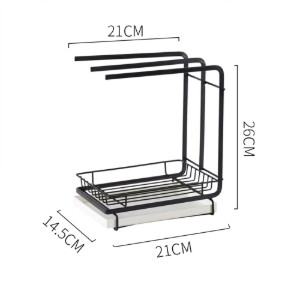
Kitchen sponge holder, carbon steel, 21 x 14.5 x 26 cm - Zokura
Code: Z1365
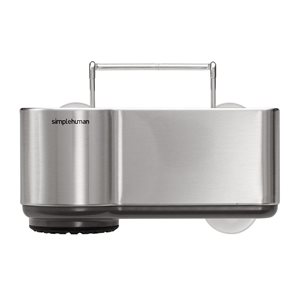
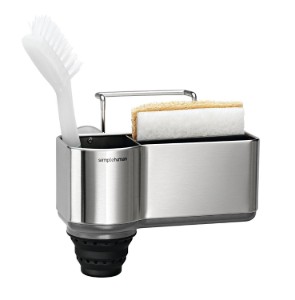
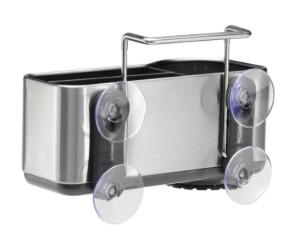
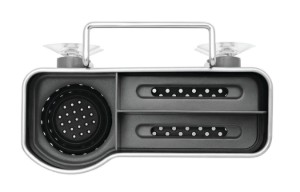
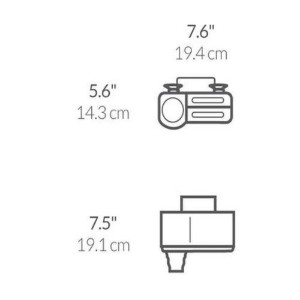
Sink caddy rack, 3 compartments, stainless steel - simplehuman
Code: KT1116
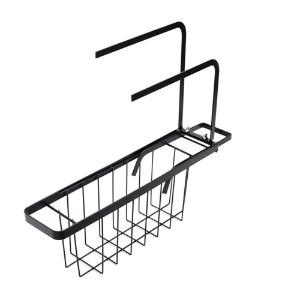
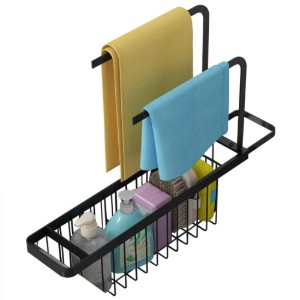
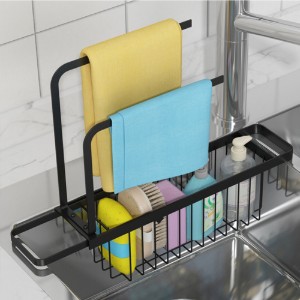

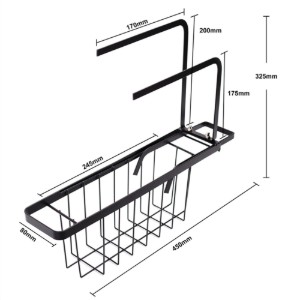
Extensible kitchen sponge holder, carbon steel - Zokura
Code: Z1371