




















Temperature of ingredients is a detail that is often overlooked in the kitchen, but it makes the difference between a successful dish and a failed one. Whether we're talking about the tenderness of a steak or the texture of dough, the right temperature affects the taste, appearance and even the safety of food. When it comes to meat, things get even more delicate.
That is why every cooking enthusiast should have a meat temperature chart at hand - an essential tool for ensuring tender, juicy, and perfectly cooked dishes.
Ingredient temperature - Why does it matter?
The temperature of ingredients is a key-factor in the chemistry of cooking, influencing how foods react with each other, cook, and develop their flavor. When cooking with cold ingredients taken straight from the refrigerator, they can slow down the cooking process or even alter the final result. For example, cold eggs can prevent dough from rising properly, cause mayonnaise to separate and butter that is too soft can affect the texture of desserts.
When it comes to meat, temperature is even more important. A piece of meat that is too cold when placed directly into the frying pan will cook unevenly. As a result, the outside will burn, while the inside remains raw. That is why it is recommended to bring the meat to room temperature before cooking, for more even cooking. But even then, the final result cannot be guaranteed without a proper reference.
This is where a meat temperature chart comes in, which shows you exactly what internal temperature each type of meat needs to reach to be properly cooked, preserving juiciness and avoiding food risks.
How do we use a meat temperature chart correctly?
Using a meat chart may seem like a technical detail at first, but it's actually a simple and effective way to ensure perfect results every time. This chart provides accurate values for the ideal internal temperature of each type of meat, based on the desired level of doneness and food safety standards.
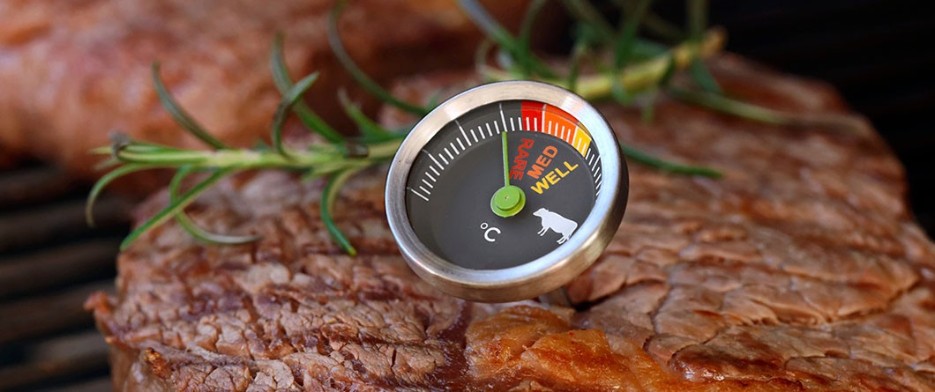
For example, chicken must reach an internal temperature of at least 74°C to be safe to eat, while beef can be served in various ways: 50°C for rare, 57°C for medium and 70°C for well done. Pork tastes best at around 63°C, with a short resting period after cooking.
| Ingredient | Rare | Medium rare | Medium | Medium well | Well done |
|---|---|---|---|---|---|
| Veal | 50°C | 57°C | 63°C | 67°C | 70°C |
| Pork | 63°C | 67°C | 71°C | 74°C | 77°C |
| Chicken | 74°C | 77°C | 80°C | 82°C | 88°C |
| Turkey | 74°C | 77°C | 80°C | 82°C | 88°C |
| Fish | 52°C | 54°C | 57°C | 60°C | 63°C |
| Lamb | 49°C | 54°C | 60°C | 66°C | 71°C |
| Vegetables | 82°C | 88°C | 93°C | 99°C | 104°C |
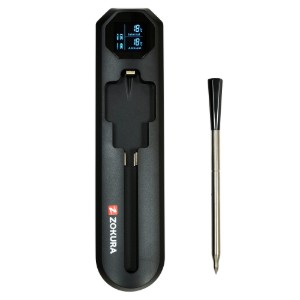
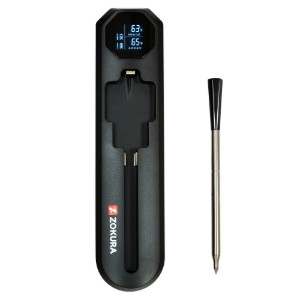
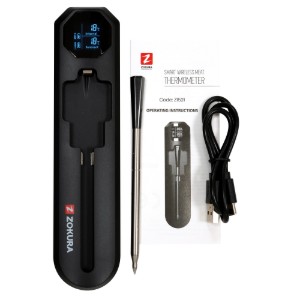
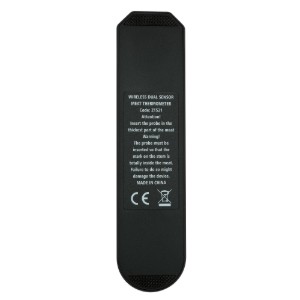
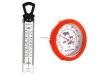
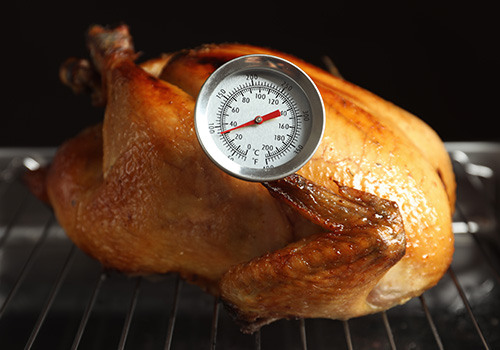
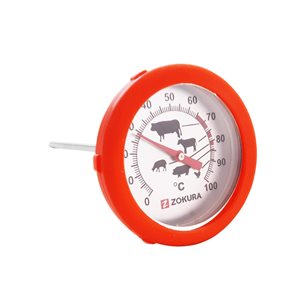
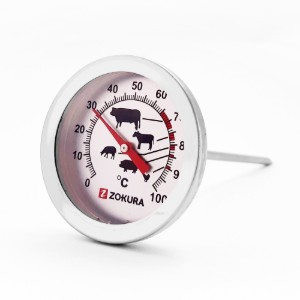
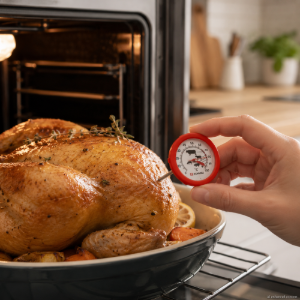
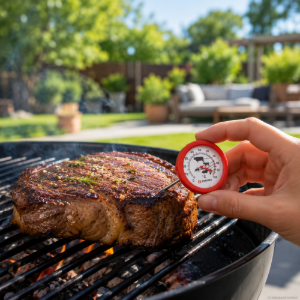
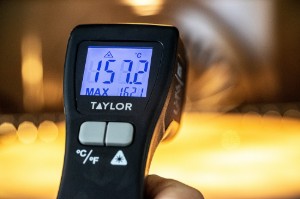
To use this information correctly, we need a reliable kitchen thermometer, which we insert into the thickest part of the meat, without touching the bone. We then compare the temperature displayed with the values in the temperature table and adjust the cooking time according to the result.
This approach eliminates uncertainty and helps us cook with confidence. We no longer need to cut into the meat to check if it is done or rely on intuition. This gives us a clear and precise guide that turns every steak into a culinary success.
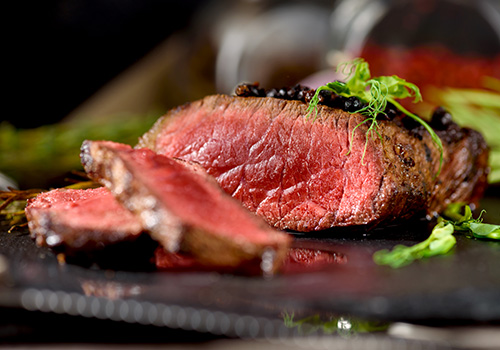
Ingredients at room temperature – The golden rule of cooking
One of the simplest yet most important tips in the kitchen is to bring ingredients to room temperature before using them. This practice helps ensure even cooking, better blending and more precise control over the final result. Eggs, milk, butter, and especially meat, react differently when they are no longer cold.
When it comes to meat, taking it out of the refrigerator at least 30 minutes before cooking prevents thermal shock and helps achieve a beautiful, even sear. Even if we carefully follow a meat temperature chart, this step should not be ignored. The internal temperature indicated in the chart is reached more quickly and accurately if the meat starts from a temperature close to room temperature.
Even if we use a precise temperature chart, if the main ingredient is not at the correct temperature to begin with, the values in the chart will not be effective.
The initial temperature of ingredients directly affects the time it takes to reach the correct internal temperature. That's why it's important to combine the information from a temperature chart with proper preparation of ingredients, so that every recipe turns out just right – safe, tasty and perfectly balanced.
In the kitchen, the details make all the difference and the temperature of ingredients is one of the most important factors to consider. Maintaining the correct temperature enhances the flavour and texture of dishes and ensures food safety. Thus, a meat temperature chart gives us the confidence we need to cook properly, consistently and deliciously, every time.
Other recommended products:
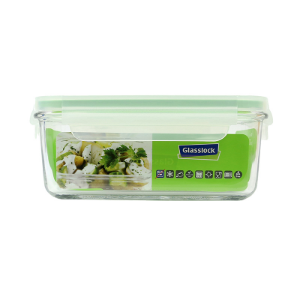
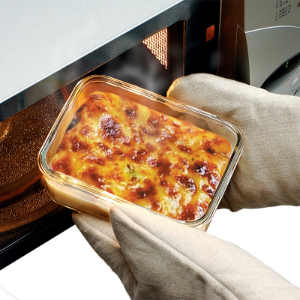
Food storage container, 1100 ml, made from glass - Glasslock
Code: MCRB110
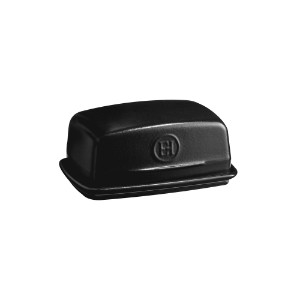
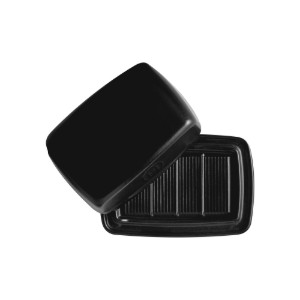
Butter holder dish, ceramic, 17 x 12 x 7 cm, Truffle - Emile Henry
Code: 022571
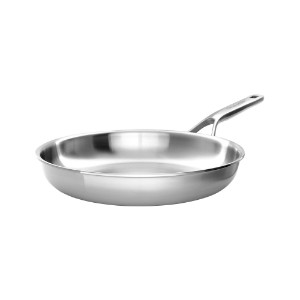
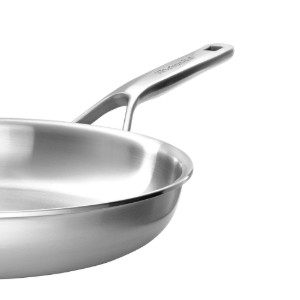
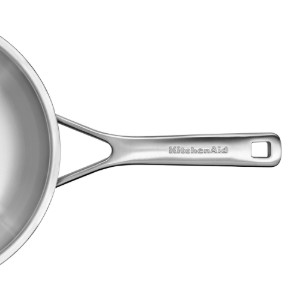
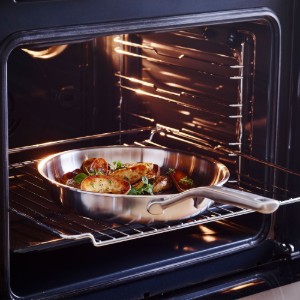
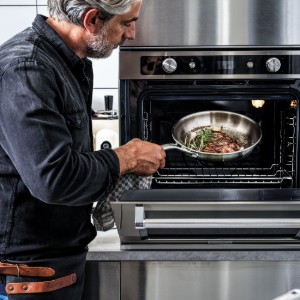
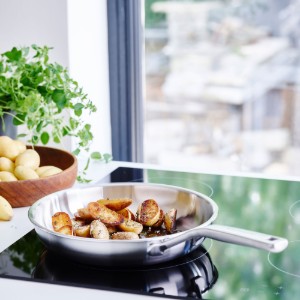
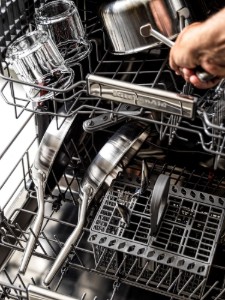
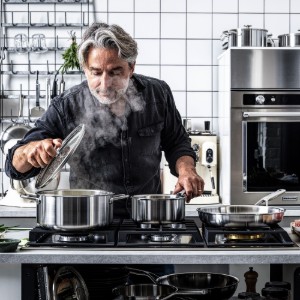
Stainless steel frying pan, 3-Ply, 28cm, "TRI-PLY" - KitchenAid
Code: CC003245001
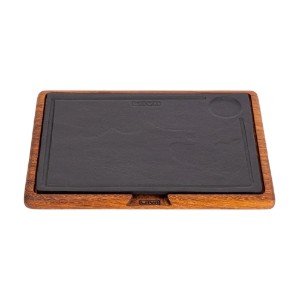
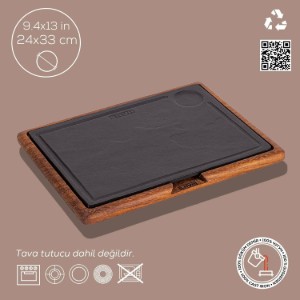
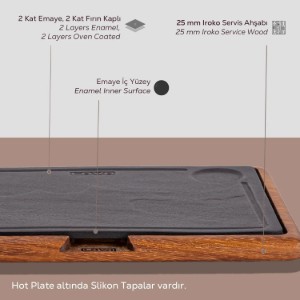
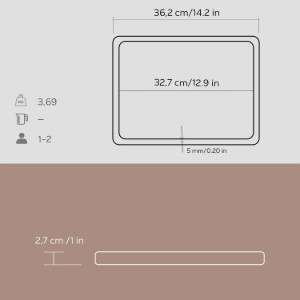
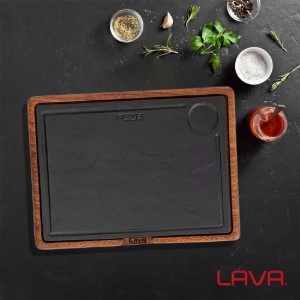
Platter for serving, cast iron, with wooden base, 33 x 24 cm - LAVA
Code: LVHRCHP2433AS250IR