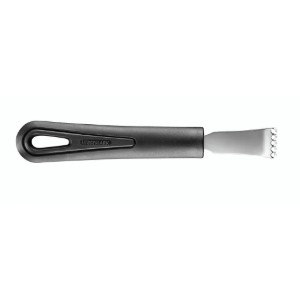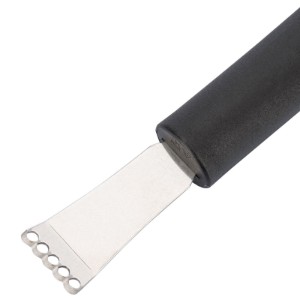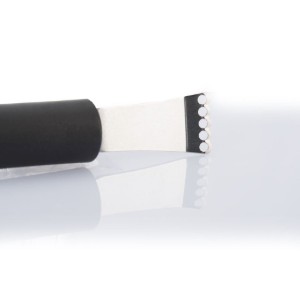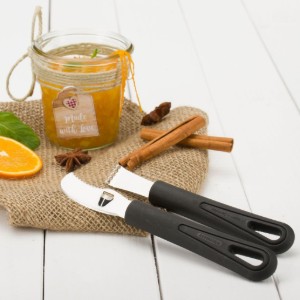




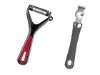
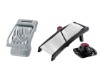
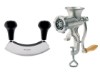
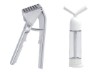





















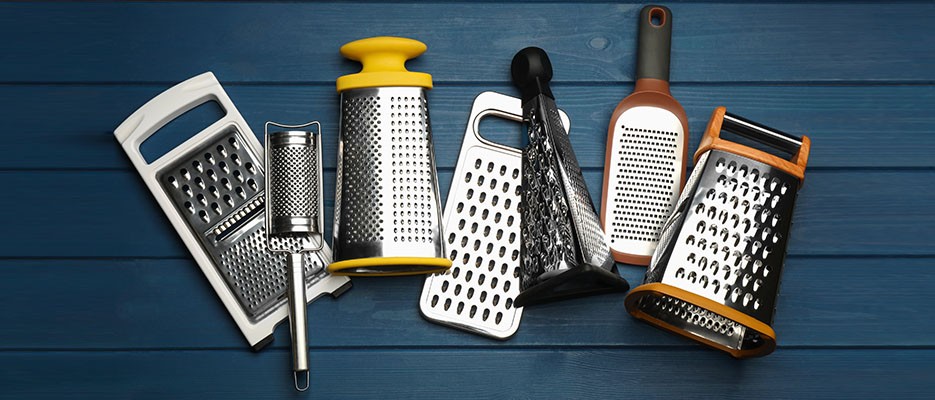
The grater is one of those utensils that saves us every time. It is small, but very useful. And even if we already have one in the kitchen, we may find that it's not the best fit for everything we want to do.
There are many types of graters on the market – some are versatile, while other are highly specialized. We can choose them based on how often we cook, what we prepare most often, and, of course, how much convenience we want in the kitchen.
In this article, we review the most important ones. We explain how they work, what they are good for and what to look for when choosing one.
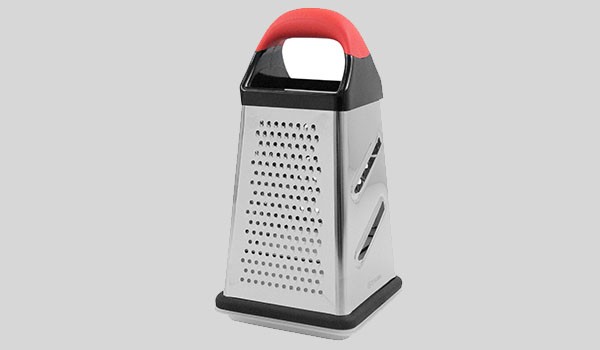
The classic multi-purpose grater – a "must have" in every kitchen
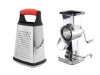
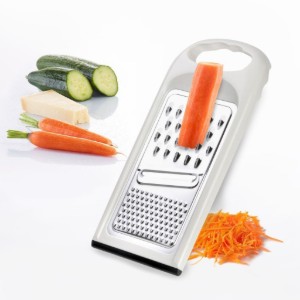
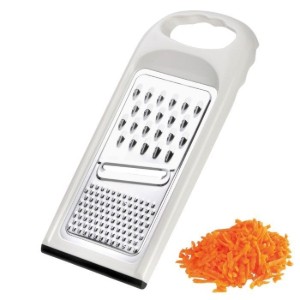
This grater is the one we all know: the four-sided tower, each of the sides with a different function – large, small, zest, slicing. It's practical, compact, and for most people, sufficient in the everyday kitchen tasks.
It is used for:
- Grating carrots or apples for cakes.
- Grating hard cheeses.
- Thin slices of cucumber.
- Fine citrus zest.
A classic four-sided grater is always useful in the kitchen; we use it for cheeses, vegetables, citrus zest and much more. Ideally, we choose a model with an ergonomic handle and a stable base, as we find in the Kitchenshop collection. This type of grater sits well on the counter and gives us better control during work.
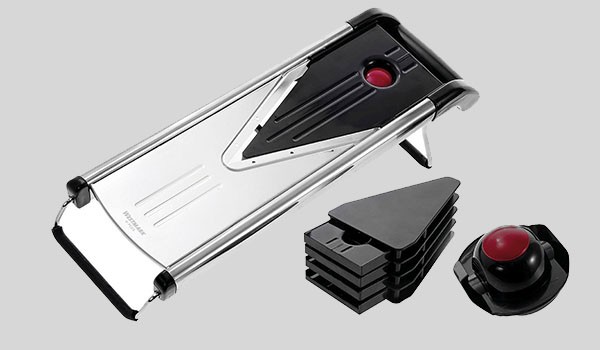
Mandoline-type grater – for fast and even slicing
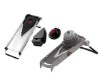
If you want thin, even slices, a mandoline is the ideal grater. It has a wide, flat blade, and vegetables are passed over it with the help of a safety holder. Some models allow you to adjust the thickness and include multiple blades – for julienne or chips.
It is excellent for:
- Potato chips.
- Equal slices of tomatoes, cucumbers, zucchini.
- Carrot or beetroot cut into julienne.
For fast and even slicing, a good mandoline makes the job easier. Ideally, we should choose an adjustable model with non-slip support and finger protection, just like the ones we find in the Kitchenshop selection. It provides stability during use and safety, without compromising on precision.
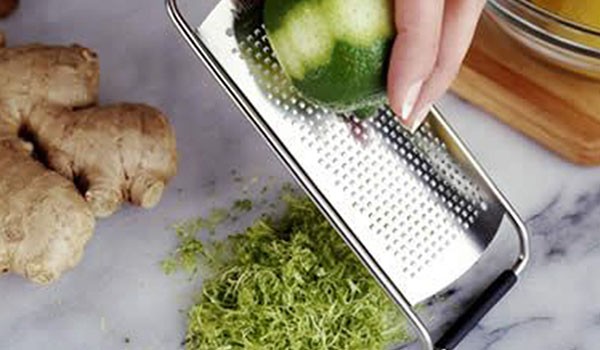
Manual fine grater
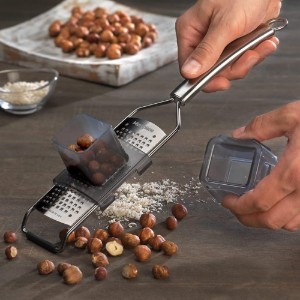
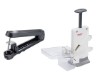
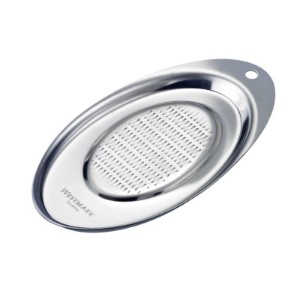
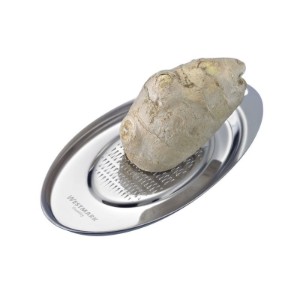
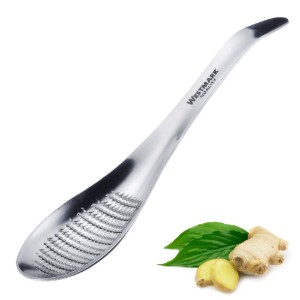
This small, thin grater is used for finishing touches. It is not intended for vegetables or fruit, but rather for adding extra flavor or decoration to dishes.
We use it for:
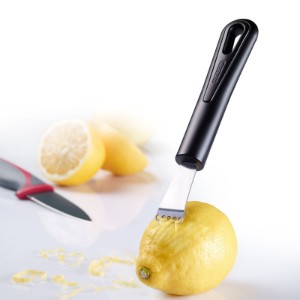
- Grating citrus zest
- Parmesan for pasta or risotto.
- Nutmeg, chocolate or ginger.
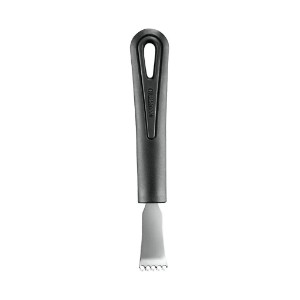
The fine grater is perfect for details that make a difference, lemon zest, parmesan or grated chocolate. A model with a non-slip handle and a well-sharpened stainless steel blade, like the one we find at KitchenShop, is easy to use, cleans quickly and takes up very little space in the drawer.
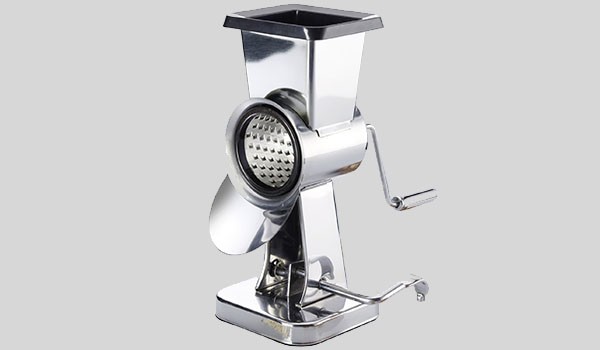
Rotary grater – efficient and safe
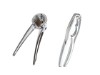
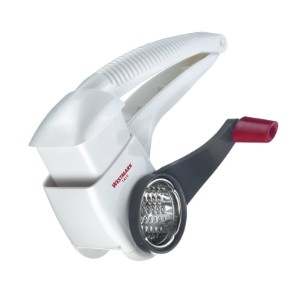
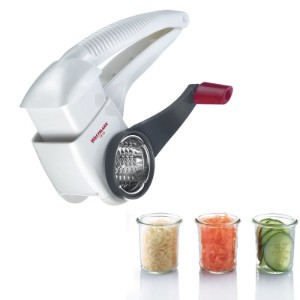
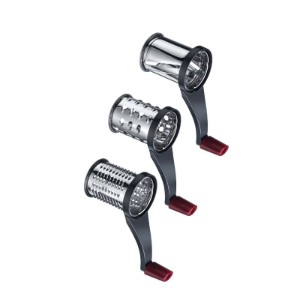
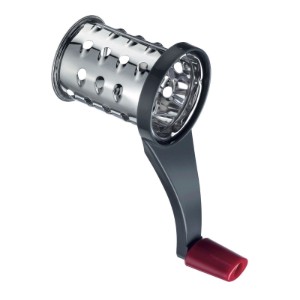
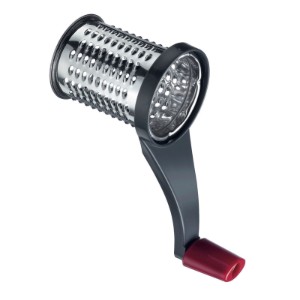
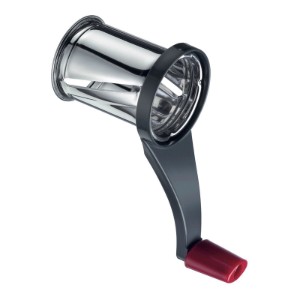
The rotary grater is less common in regular kitchens, but it is a very practical tool, especially for cheeses. It is used by turning a handle that activates a cylindrical blade inside a drum. It is safe for fingers and the effort is minimal.
It is ideal for:
- Parmesan and other types of hard cheese.
- Walnuts, chocolate or almonds.
- Shredding the ingredients directly over the plate.
For those who want precision, speed and safety, a rotary grater is an excellent choice. A compact stainless steel model with a drum that is easy to remove and clean,, like the one we find at Kitchenshop.
How do we choose the right grater?
Before we add a grater to our shopping cart, it's good to think about a few simple things:
1. What do we cook most often?
- If you often cook soups or salads, a mandoline or multi-purpose grater is perfect.
- For desserts and pasta, you need a fine or rotary grater.
2. How much space do we have in the kitchen?
- The classic grater takes up little space.
- Electric ones need storage space and a handy outlet.
3. How often do we cook?
- If you cook only occasionally, one or two graters are enough.
- If you cook often and for several people, you need something fast, powerful, safe – like an electric or multi-purpose grater.
4. Do we want safety and comfort?
- Look for models with non-slip bases, ergonomic handles and finger guards.
- Materials matter – quality stainless steel lasts longer and doesn't oxidize.
Choose the perfect grater
The grater is one of the most used tools in the kitchen. And although it seems like a simple thing, it can make a big difference in the way we cook. When we choose the right type for what we need, we make our work easier, save time and enjoy the cooking process more.
Whether we want a classic grater, a mandoline for quick slicing, or an electric one for maximum efficiency, it's important to choose something durable, comfortable, and safe. At Kitchenshop, you will find a wide selection of graters - all designed to make life in the kitchen easier.
Other recommended products:
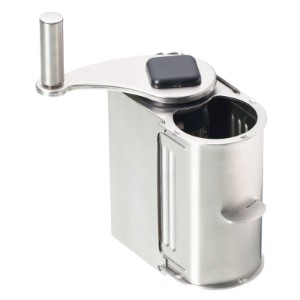
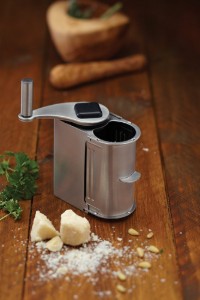
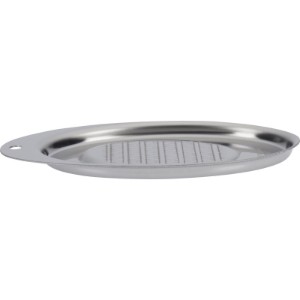
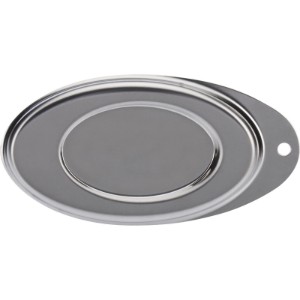
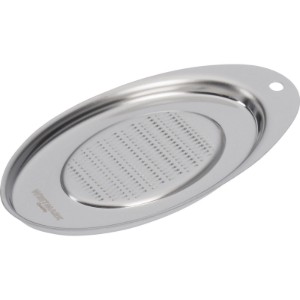
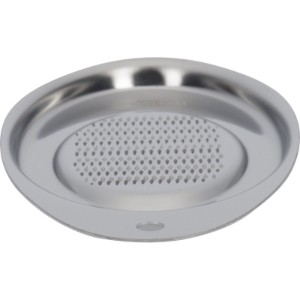
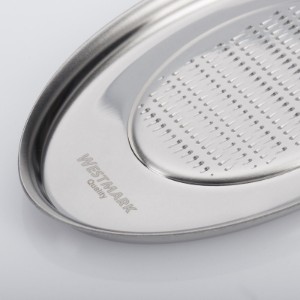
Parmesan grater, stainless steel - Kitchen Craft
Code: KCMCPARM
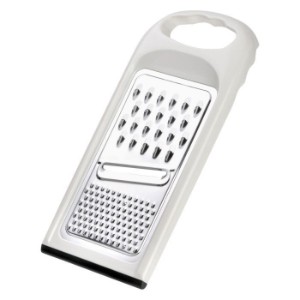
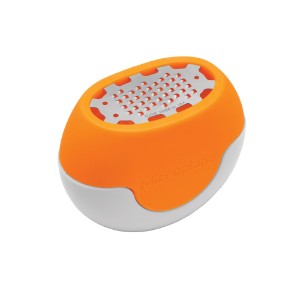
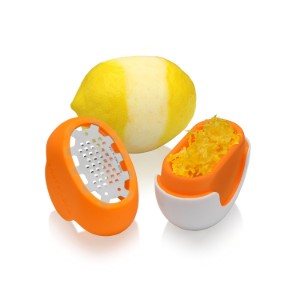
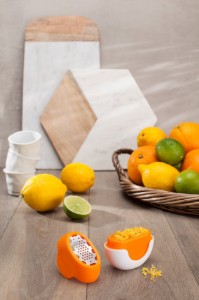

"Flexi Zesti" citrus grater, stainless steel, orange colour - Microplane
Code: 34830E
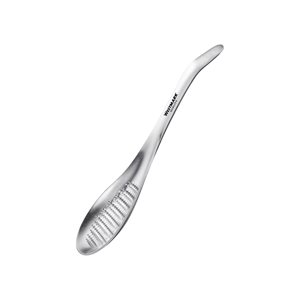

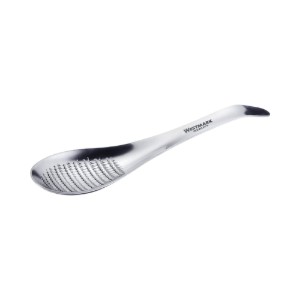



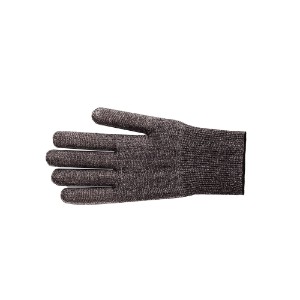
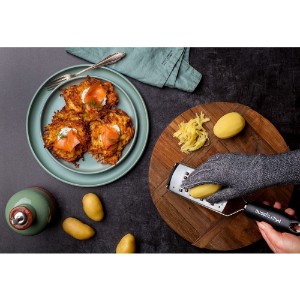
Protective glove for scraping - Microplane brand
Code: 34027E