

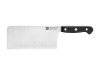
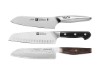
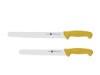
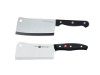
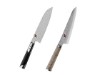
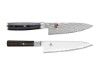
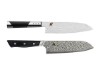
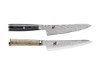
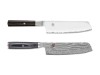
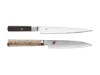
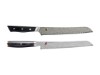
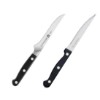
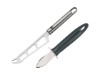










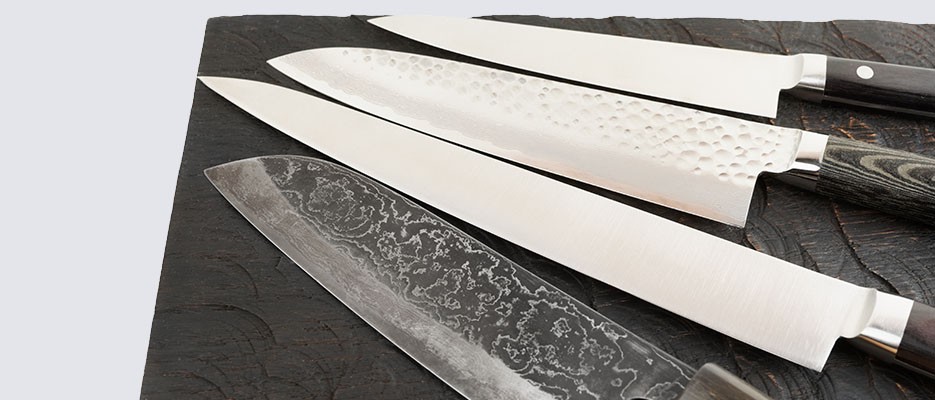
Choosing the right knife can make all the difference in the kitchen. Two of the most popular options are the chef's knife and the Santoku knife. What exactly is a Santoku knife used for and how does it compare to the classic version?
Read on to discover the differences, benefits and uses of each one so you can make the perfect choice for your kitchen!
Origin and design
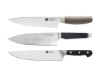
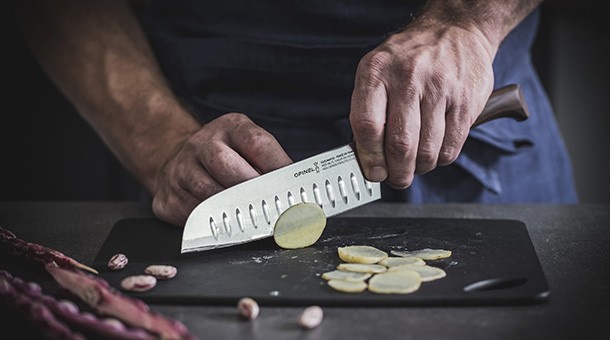
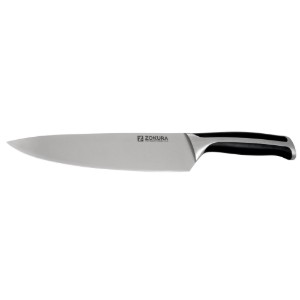
The chef's knife has its origins in the European kitchens and is a classic tool with a long, slightly curved blade, ideal for rocking motions.
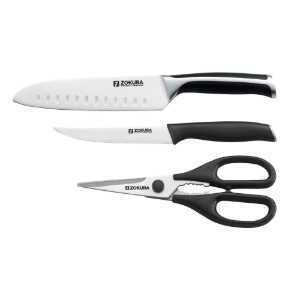
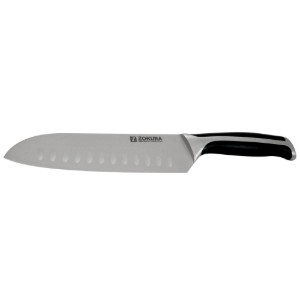
Santoku comes from Japan and means "three virtues" - chopping, slicing and shredding. Compared to a regular knife, it has a shorter, straight blade with a slightly rounded tip and less weight, which makes it very easy to handle.
Functionality and versatility in the kitchen
The chef's knife is known for its versatility. It can be used for almost any task: chopping vegetables, slicing meat, mincing herbs or crushing garlic. Thanks to its long, curved blade, it is ideal for fluid, rocking motions, making it a favorite among professional chefs.
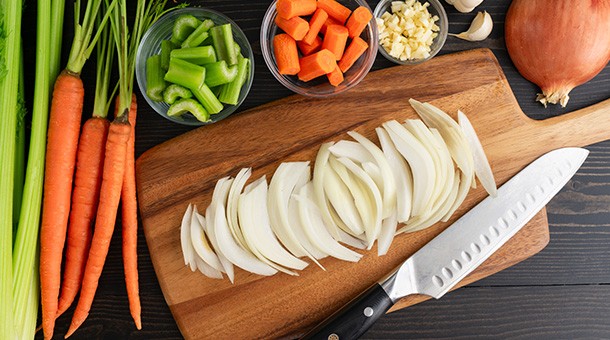
On the other hand, if you are wondering what a Santoku knife is used for, you should know that it excels in fast and straight cuts. It is ideal for vegetables, fruit, boneless meat and fish. The thinner and shorter blade allows for better control, making it perfect for ingredients that require precision.
Many amateur cooks choose a Santoku knife for everyday kitchen tasks because it is lightweight, easy to handle and very effective for mincing and slicing.
Advantages and disadvantages
Both types of knives have strengths and limitations, depending on the user's cooking style and preferences.
The chef's knife is valued for its extensive versatility. Thanks to its long, curved blade, it allows for large cuts, rocking motions and is ideal for large quantities of ingredients. However, it can be difficult to handle for those with smaller hands or for beginners.
A Santoku knife is lightweight, well-balanced, and excellent for cutting vegetables, fruit, or fish. However, it is not ideal for heavy-duty tasks, such as cutting through bones or large pieces of meat. Moreover, the Santoku knife blade requires more frequent sharpening, but it provides a very fine edge.
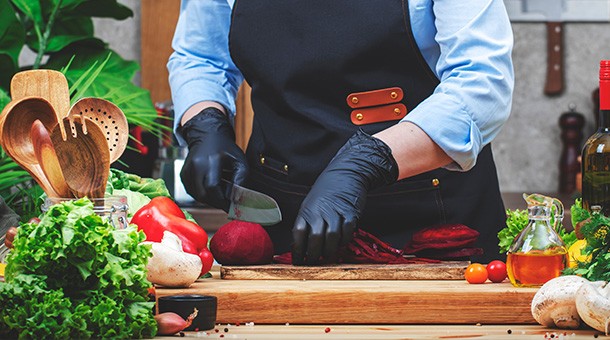
What should you choose based on your needs?
The choice between a chef's knife and a Santoku knife depends on your cooking style, experience level and personal preference.
- If you're used to cooking large servings, cutting meat, or chopping vegetables at a fast pace, the chef's knife offers power, balance and versatility.
- On the other hand, for those who prefer precision, fine cuts and control over their movements, the Santoku is an excellent choice. It is ideal for everyday home cooking, especially in small kitchens or for those who are not comfortable with a heavy knife.
- If you are someone who loves Asian cuisine or who cooks a lot of vegetables and fish, a Santoku knife can quickly become an indispensable tool.
Both types of knives are effective, but you need to adapt them to your needs. Some cooks choose to have both and use them depending on the recipe and ingredients needed.
Test both options and discover what suits you best!
Other recommended products:
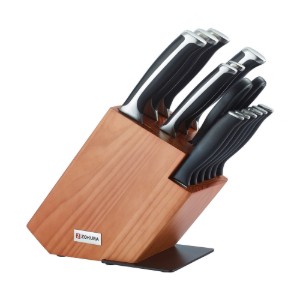
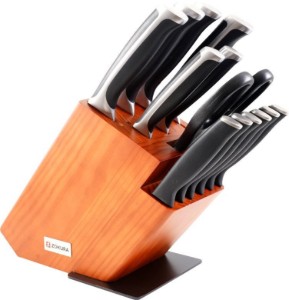
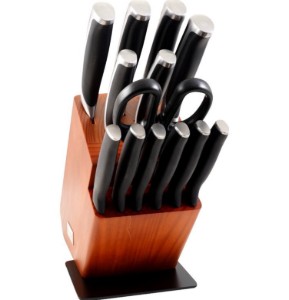
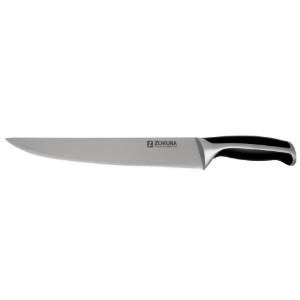
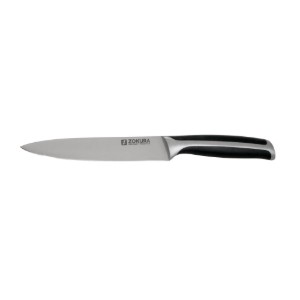
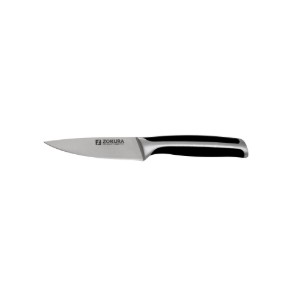
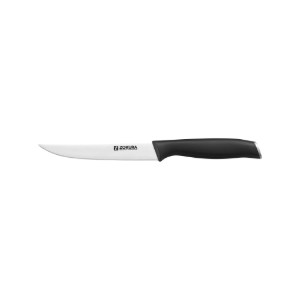
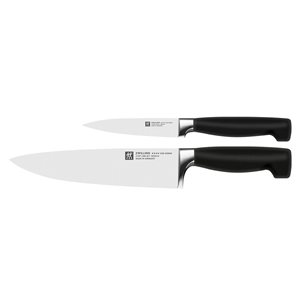
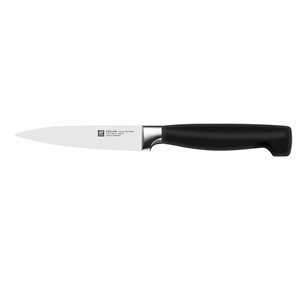
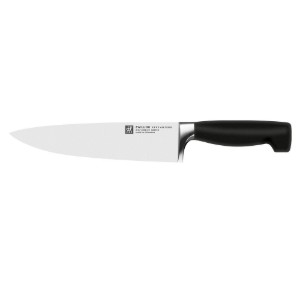
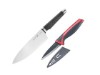
Set of kitchen knives, 2 pieces, <<TWIN Four Star>> - Zwilling
Code: 35175000
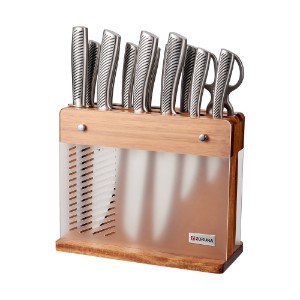
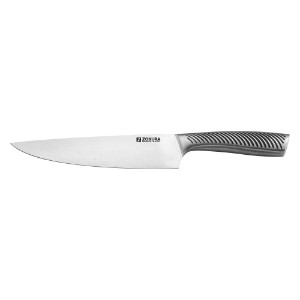
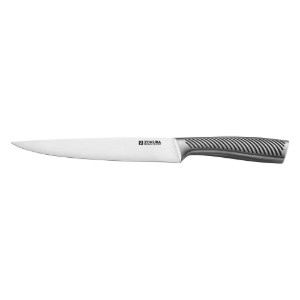
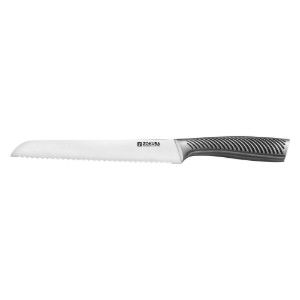
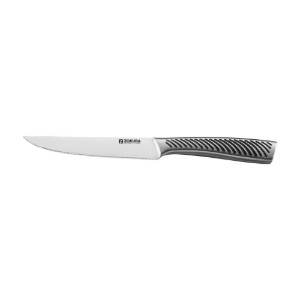
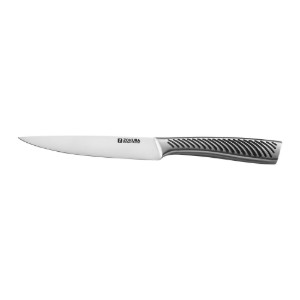
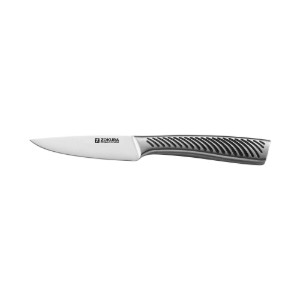
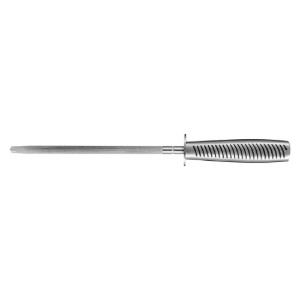
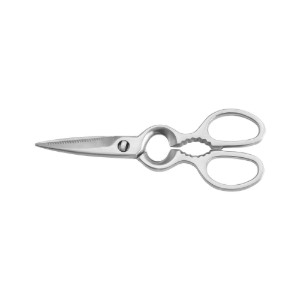
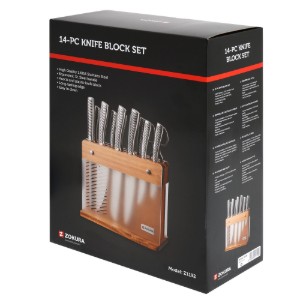
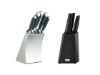
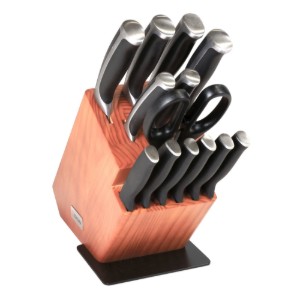
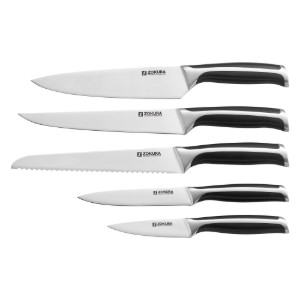
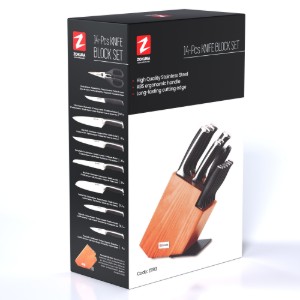
14-piece knife set, German stainless steel - Zokura
Code: Z1192
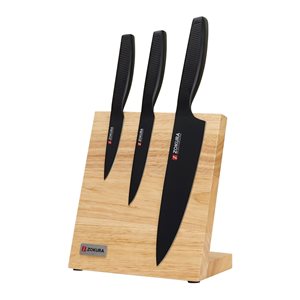
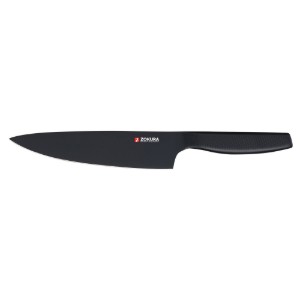
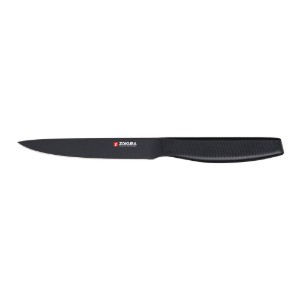
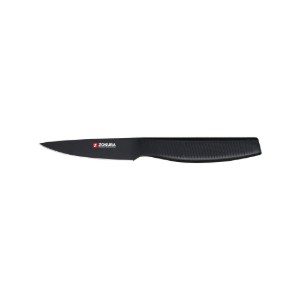
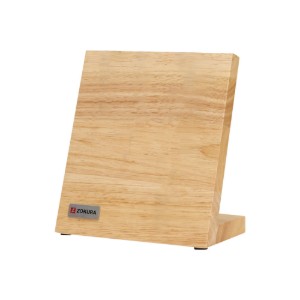
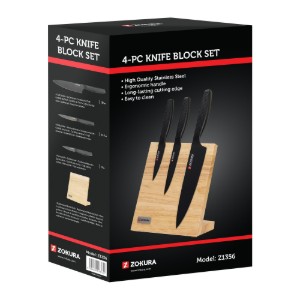
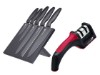
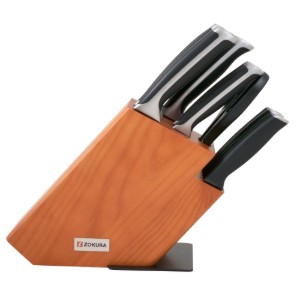
4-piece knife set, stainless steel, with magnetic knife block - Zokura
Code: Z1356
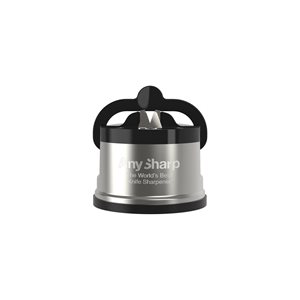
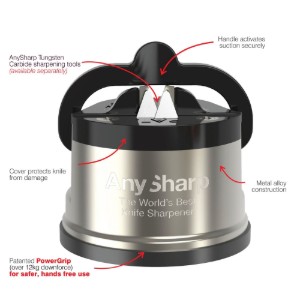
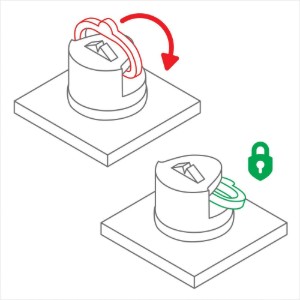
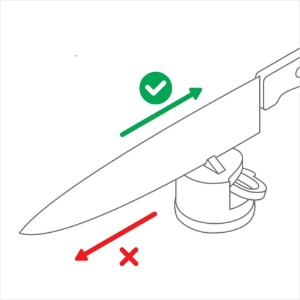
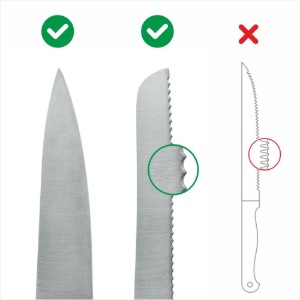
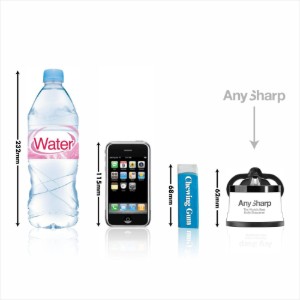
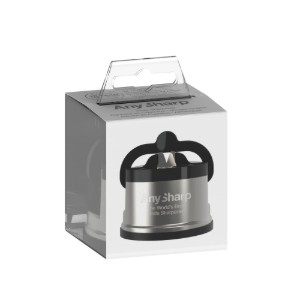
"Pro" knife sharpener, Brushed Metal - AnySharp
Code: ASKSPRO
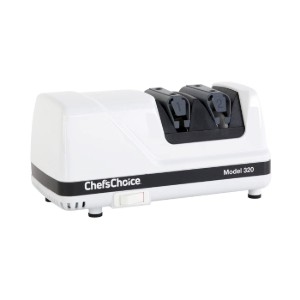
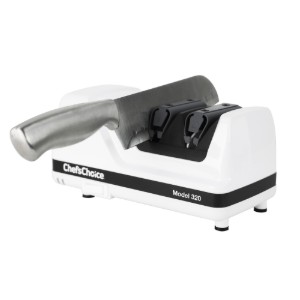
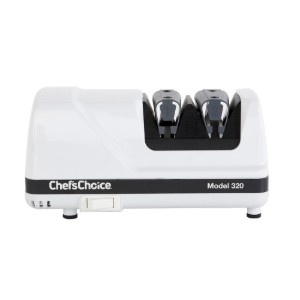
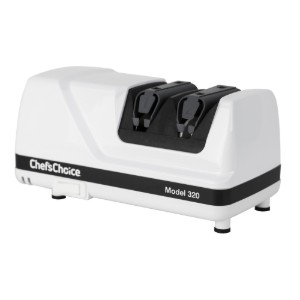
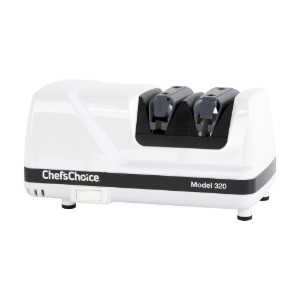
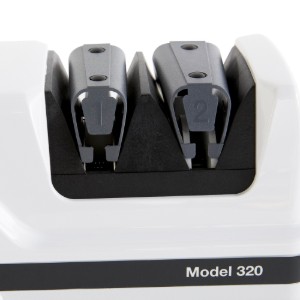
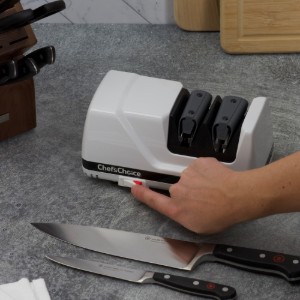
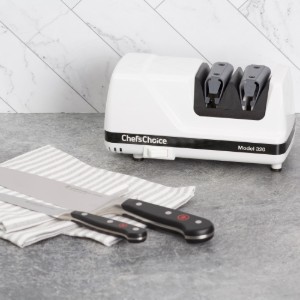
Knife sharpener Diamond Hone FlexHone/Strop M320 - Chef's Choice
Code: 03200M0