






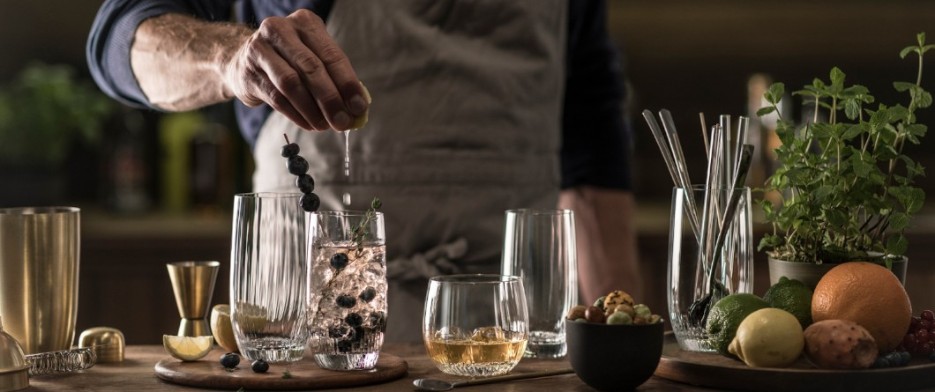
Choosing drinking glasses according to the type of drink is not exactly an exact science, but it can make all the difference. Not only can the right drinking glass enhance the entire tasting experience, but it can also influence the taste, aroma, temperature, and appearance of your drinks.
Of course, no one expects you to have dozens of glassware sets at home for every type of wine, cocktail, and beer available. However, there are a few essential types of drinking glasses that every home should have, such as water and wine glasses.
Depending on your preferences and those of your friends and family when it comes to drinks, you can complement your basic glassware sets with a few models that you will use frequently, whether when entertaining guests or simply when you want to relax with your favorite drink.
Read our article and discover:
- how the drinking glass influences the characteristics of a drink.
- which drinking glasses are suitable for the most common alcoholic beverages, such as wine, beer, and spirits.
- which drinking glasses are suitable for non-alcoholic drinks.
- the specialist's recommendation regarding manufacturers of high-quality glassware and drinking glasses.
The importance of choosing the right drinking glasses for serving drinks
Several factors explain the importance of choosing the right drinking glass for each drink. Different characteristics of a beverage - taste, temperature, and effervescence (bubbles) – can be enhanced by the shape of the glass, thus contributing to a perfect tasting experience.
If the drinking glass does not have a shape suited to the type of drink, it may diminish its aroma or effervescence, which is particularly undesirable when it comes to expensive, exceptional beverages.
Even the way our hand touches the drinking glass affects the temperature of the drink. The heat generated by our body warms the beverage. This is one reason (but not the only one!) why wine is drunk from stemmed glasses and why the bowl of the glass should never be held.
Last but not least, using the right drinking glass is a sign of hospitality and elegance and contributes to the pleasure of enjoying a drink. After all, nobody wants to drink a good wine from a teacup, do they?
Types of drinking glasses for alcoholic beverages
If you want to play it safe, follow the basic rules outlined below. However, keep in mind that many glassware collections feature bold designs that often challenge the traditional rules for serving alcoholic beverages (this is especially true of wine glasses).
Red wine glasses
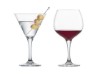
Red wine glasses generally have a wide, rounded bowl that is widest in the middle. The wide opening allows the wine to aerate more effectively and helps release its aromas fully.
Like any other type of wine, red wine is served in stemmed glasses to prevent the drink from warming up and to make it easier to swirl the wine in the glass.
White wine glasses
Unlike those designed for red wine, white wine glasses usually have a bowl with a narrower opening at the rim. This reduces contact with the air to prevent premature oxidation. As a result, the delicate aromas generally found in white wines are preserved for longer.
The difference between white and red wine glasses can also be seen in their height, as white wine glasses are generally shorter.

Rosé wine glasses
Wine glasses designed for rosé wine are generally similar to white wine glasses. Therefore, it is perfectly acceptable to serve rosé wine in the same wine glasses you use for white wine.
Rosé wine glasses often have a tulip shape, combining the characteristics of white and red wine glasses in a harmonious design.
Dessert wine glasses
Dessert wine (for example, sherry, Port, or Madeira) is a sweet, fortified wine and is therefore served in smaller quantities. Dessert wine glasses are similar in shape to wine glasses, but are noticeably shorter and have a smaller capacity. They can also be used for serving liqueurs.

Whisky glasses
There are many types of whisky glasses, but perhaps the best-known is the medium-height glass with straight sides and a thick base. A whisky glass should have a wide opening to accommodate large ice cubes that keep the drink cold.
There are also whisky glasses with a cooling base, which eliminate the need to add ice and prevent the whisky from becoming diluted.
Tulip-shaped whisky glasses or those with rounded silhouettes are the choice of whisky specialists and enthusiasts. They concentrate the aromas and direct them towards the drinker's nose. The differences are most noticeable to the most discerning whisky and Scotch connoisseurs.
Champagne glasses
Sparkling wines are ideally served in tall, narrow glasses with a small opening, such as flute glasses. This gives the drink a smaller surface area in contact with the air, helping retain both the carbon dioxide bubbles and the aroma.
Although very popular in 1920s America (see "The Great Gatsby"), wide-opening champagne glasses are not very popular today for the same reason explained above: the drink quickly loses its effervescence and intensity of flavor. You can use the same set of glasses for Prosecco, Champagne, Cava, Crémant, and cider.

Beer glasses
It may be hard to believe for those who are not particularly fond of beer, but there are dozens of styles of beer glasses. They influence carbonation levels, the characteristics and retention of the foam, as well as the chemical compounds that give beers their aroma, color, and body.
Here are a few points to remember:
- Lager, the most popular type of beer in Romania, is served in a mug or in tall, tapered Pilsner glasses.
- Wheat beer (Weizen/Weiss) is served in tall beer glasses that are narrow at the base and have a wide rim.
- A stemmed tulip-shaped beer glass or a Goblet glass is suitable for Belgian beers, ales, and IPAs.
- A Pint glass for dark beer allows the characteristic foamy head of stout beers to form.
If we've made you crave a beer, or if you simply want to learn more, read our article about glassware for beer lovers.
Drinking glasses for cocktails, liqueurs, and other sweet drinks
Cocktail glasses or long drink glasses give you greater freedom of choice and allow you to get creative when serving mixed drinks. However, there are a few classic cocktails that are always served in the same type of drinking glass. These include the martini glass, the margarita glass, and the drinking glass used for gin-based cocktails.
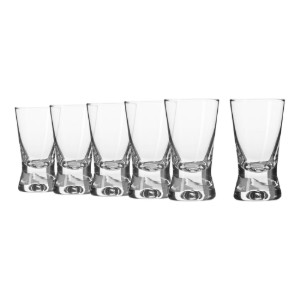
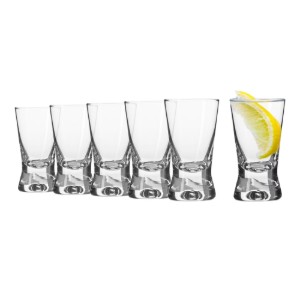
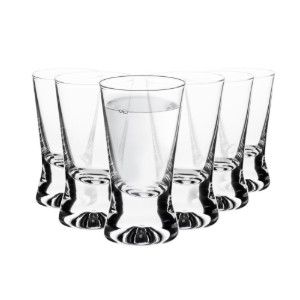
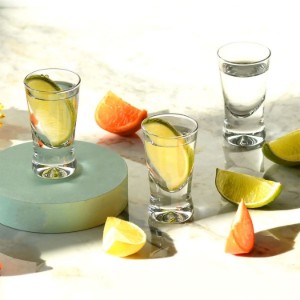
Liqueurs, schnapps, and Romanian țuică are served in small glasses, with or without stems. If you already have dessert wine glasses at home, you can also use them to serve liqueurs.
Types of drinking glasses for non-alcoholic beverages
Unlike alcoholic beverages, non-alcoholic drinks are less demanding when it comes to glass shape. However, there are a few recommendations worth keeping in mind.
Water glasses
Whether for everyday use or festive occasions, water glasses are undoubtedly the most important glasses on the table. The good news is that you can buy practical, durable drinking glass sets without compromising on the design.
Water glasses come in an extremely wide variety of shapes and sizes. Remember that water can also be served in stemmed glasses.

Juice glasses
Water glasses can also be used to serve juice, with one exception: stemmed glasses. These should never be used for juices, syrups, or other sweet soft drinks. The selection is particularly varied, ranging from classic styles to extravagant designs and children's glasses.
Regardless of the design, we recommend that you do not choose drinking glasses based exclusively on their appearance. Glass quality and production methods are essential for the clarity and durability of the glasses. You can feel the quality of a good glass from the first touch, and you can also hear it in the distinctive ringing sound it makes when drinking glasses are clinked together.
One of the world's renowned glassware manufacturers is Schott Zwiesel. Its crystal drinking glassware is produced in Germany using the unique, internationally patented Tritan technology and is appreciated in more than 120 countries, both for home use and in the HoReCa industry.
Italian glassware from Borgonovo stands out for its durability and resistance to regular daily use and repeated washing cycles. Most products are also intended for the HoReCa sector and are therefore designed to meet the demanding requirements of this market. All Borgonovo drinking glasses are manufactured using pressing and blowing techniques, from a single type of clear, lead-free glass.
Drinking glasses bearing the Krosno name combine unique design elements, state-of-the-art technology, and careful craftsmanship. The high quality of Krosno products and their flawlessly formed glass are achieved by combining manufacturing techniques developed over more than 100 years.
Other recommended products:


6-pcs champagne /sparkling wine glass set, 283 ml, "Taste" - Schott Zwiesel
Code: 115674


3-piece water glass set, 270 ml, made of glass, Aurelia - Borgonovo
Code: 11000111
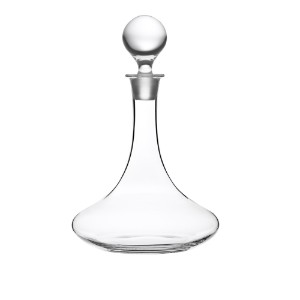
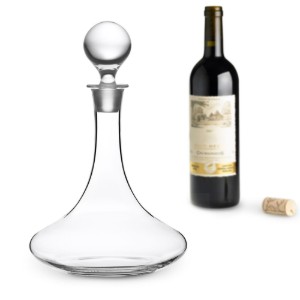
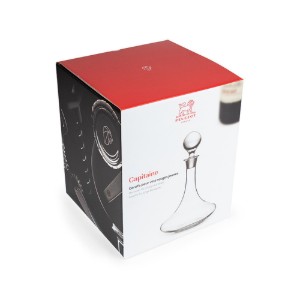
Decanter, made of glass, 750 ml, 'Capitaine' - Peugeot
Code: 230081


Set of 6 Long Drinks glasses made of crystalline glass, 300 ml, "Legend" - Krosno
Code: F18C183030001020


6-pcs Margarita cocktail glass set, 283 ml, "Bar Special" - Schott Zwiesel
Code: 111234