




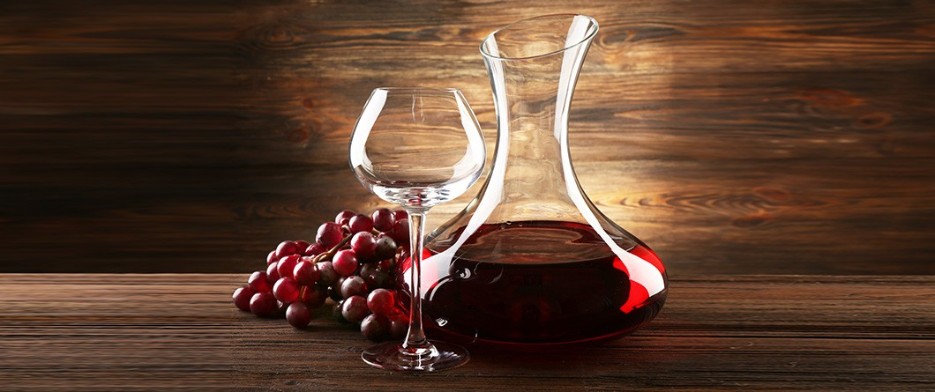
Should we decant wine or not? The answer is: yes. Decanting may be necessary, optional, or even not recommended, depending on the characteristics of each type of wine. The wine expert explains everything in the lines below. Read on to find out what purpose wine decanting serves, which types of wine we can decant, how long this process takes, and how much the shape of the decanter matters.
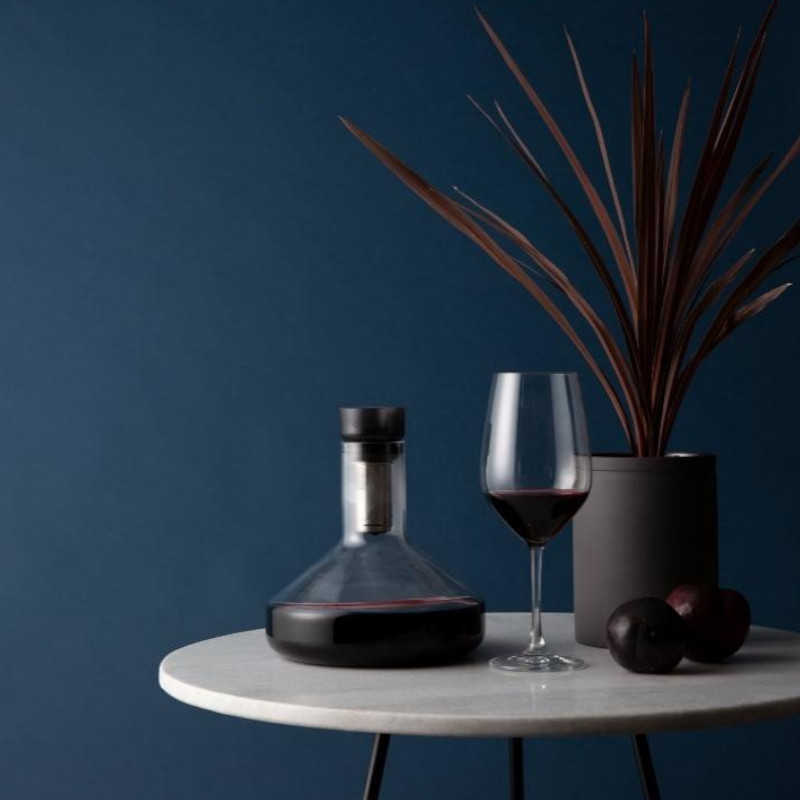
What happens to wine during decanting?
The decanting process begins when the wine is poured from the freshly opened bottle into a glass vessel with a wide base and narrow neck, called a decanter. This process forces the wine into contact with oxygen, allowing the aromas of the drink to fully reveal themselves and become more pleasant. In the case of wines that have spent many years in the bottle, decanting allows the sediment (particles that naturally form at the bottom of the bottle over time) to remain at the bottom of the bottle and no longer make their way into the wine glasses.
Which types of wine do we (not) decant?
Let’s finally destroy once and for all the myth that only red and old wines are decanted. On the contrary: extremely old red wines (20-30-40 years old) are not decanted, because their aromas are extremely fragile and can be affected or lost due to sudden exposure to oxygen.
If you come across a red wine that old, treat it with understanding, tenderness, and patience. After all, it is a wine that has spent the last several decades sealed inside a bottle. Immediately after opening, pour the wine directly into wine glasses and wait for it to aerate at a slow pace.
Here are the wines that can benefit from decanting:
- 1. Red wines, with more sediment, somewhat older, and in need of rapid aeration.
- 2. White wines aged for a long time in bottles.
- 3. Very old Champagne.
1. Red wines
Decanted
The category best suited to decanting is that of wines aged 2-10 years, as well as those designed from the winemaking stage to be kept for many years (premium and super-premium wines, generally priced above 80-100 lei), with defined aromas and high tannin levels. Some examples include: Cabernet Sauvignon, Malbec, Syrah, or wines from Rioja (Spain), Bordeaux (France), Mendoza (Argentina), and many others.
Not decanted
Among the red wines that are not normally decanted, we mention Pinot Noir (a red grape variety that produces very fine and elegant wines) or young wines (1-3 years old), which are intended for quick consumption and not necessarily for aging (you generally find them at prices between 20 – 80 lei). As explained above, very old, collectible wines are not decanted either.
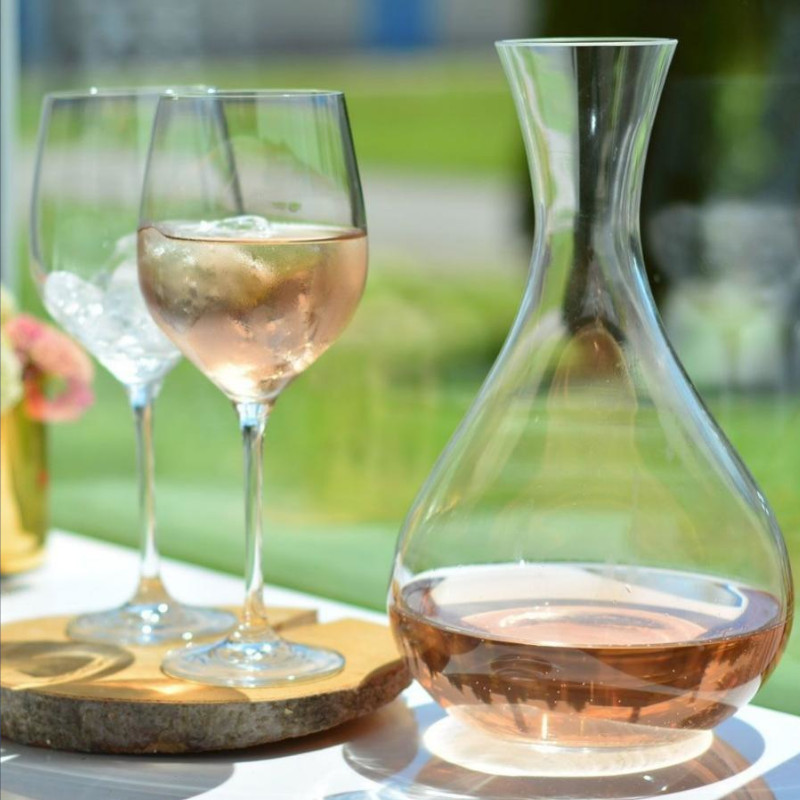
2. White wines
Decanted
White wines aged for a long time in oak barrels (possibly also in contact with fine lees), especially when the aromas originating from the barrel are pronounced. Aeration thus helps the wine reveal more of itself so that you can enjoy its complexity more quickly. Some wines are bottled without being filtered, something encountered especially in the category of wines that have evolved in the bottle (3-5 years), in which case decanting is recommended to filter out the sediment at the bottom of the bottle.
Not decanted
Fruity and fresh white wines, such as Sauvignon Blanc, Pinot Grigio, Muscat Ottonel, may lose their aromas through decanting
3. Vintage Champagne
Decanted
Decanting sparkling wine is controversial. Most people love the intense perlage (bubbles) of a bubbly, so why would you want to tame it through decanting? But the idea is not quite so outlandish in the case of collectible Champagne. First of all, the evaporation of carbon dioxide through decanting places emphasis on the taste of the wine rather than its effervescence – something desirable when we are talking about an exceptional sparkling wine. Secondly, it is worth noting that Champagne traditionally matures in contact with yeast (hence the aromas of brioche or toasted bread). Decanting will also help here by keeping in the bottle the sediment resulting from the wine’s long marriage with the yeast.
Not decanted
If you open a bottle of Cremant, Cava, or Prosecco, you can leave the decanter where it is. These may be very enjoyable wines, but they do not have the complexity of Champagne and will not benefit from decanting.
What do we decant wine into and how long does decanting take?
Wine decanting can take between 5 minutes and 2 hours. In fact, even the simple act of pouring the wine from the bottle into the decanter provides instant oxygenation. Red wines in which tannins are present and very well defined, such as Syrah, Cabernt Sauvingon, Malbeb, or wines such as Chianti, Brunello di Montalcino, benefit from longer decanting of up to two hours. If you have guests and want to speed up this process, here are a few tricks:
- Pour the wine once or twice from one decanter into another.
- Gently swirl the wine in the decanter, just as you would with wine in a glass.
- Use a wine aerator.
- Or simply open and enjoy a bottle of white or sparkling wine in the meantime – time will pass much more quickly.
As for the shape of the decanter, it only matters to a certain extent. The diameter of the decanter’s neck determines how much air enters the vessel, while the diameter of the bowl (the widest part of the decanter) also determines how large the surface area in contact with the air is. The larger the surface area, the less time you will have to wait for decanting.
Last but not least, the decanter also has an aesthetic role. You can choose one with a classic, rounded shape or a more modern design. Decanters are often part of extensive collections, which also include
Other recommended products:
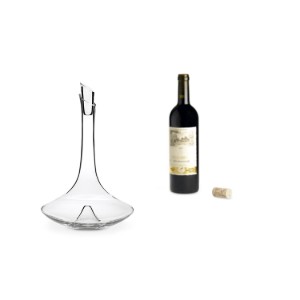
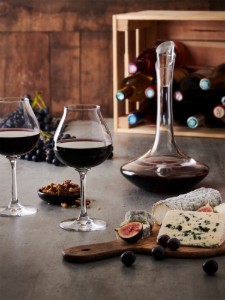
Wine decanter, made of glass, 750 ml, 'Ibis' - Peugeot
Code: 230197
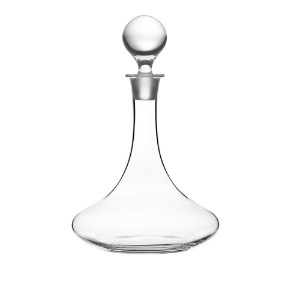
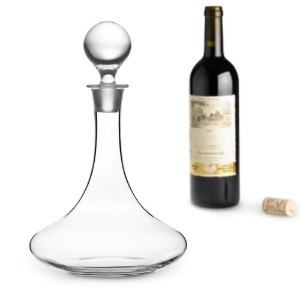
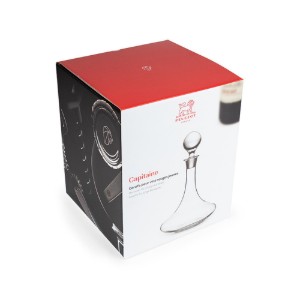
Decanter, made of glass, 750 ml, 'Capitaine' - Peugeot
Code: 230081
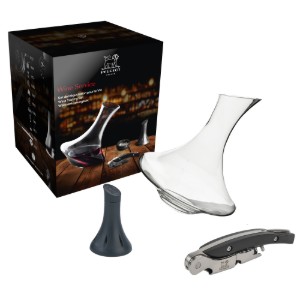
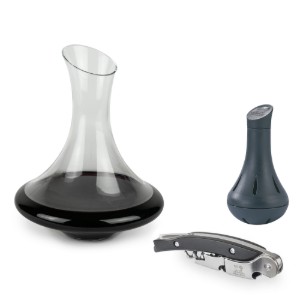
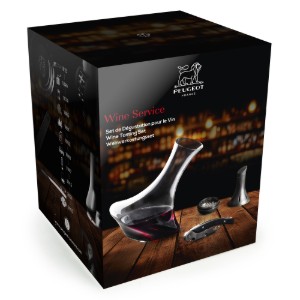
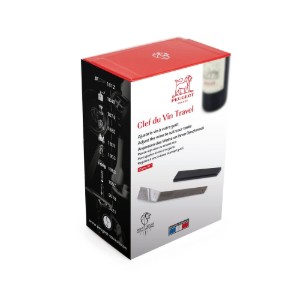
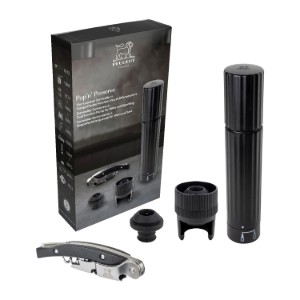
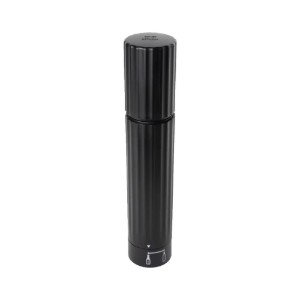
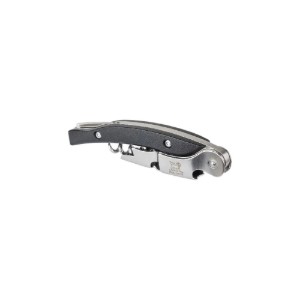
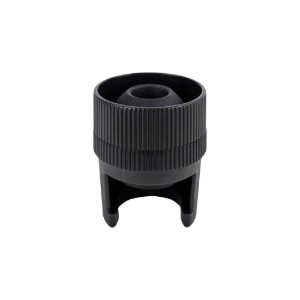
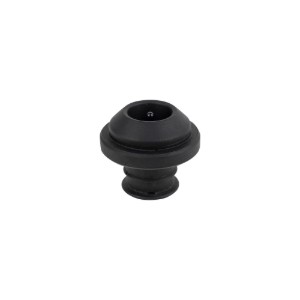
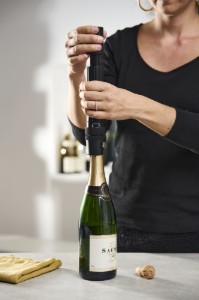
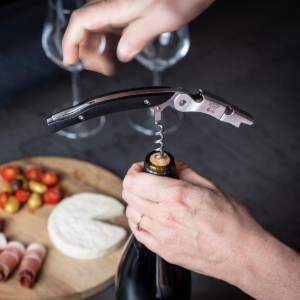
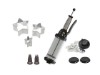
Vacuum pump and corkscrew set, 4 pieces, "Pop'n Preserve" - Peugeot
Code: 210946
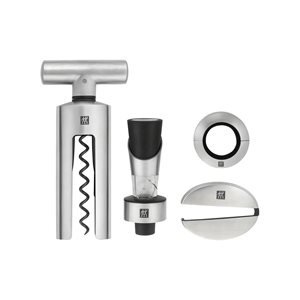
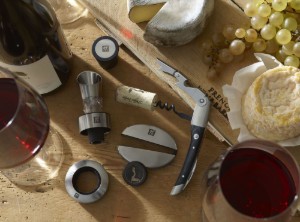
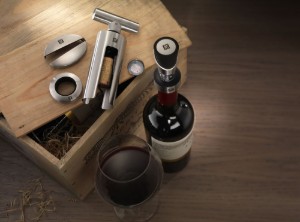
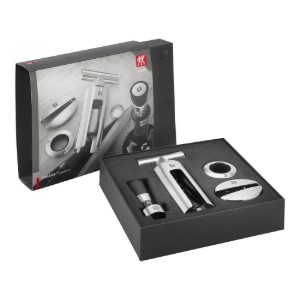
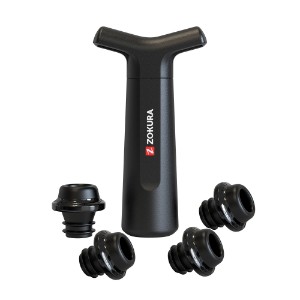
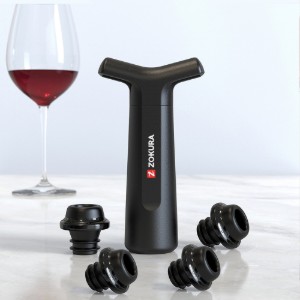
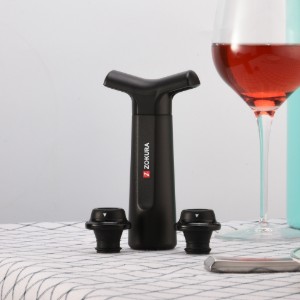
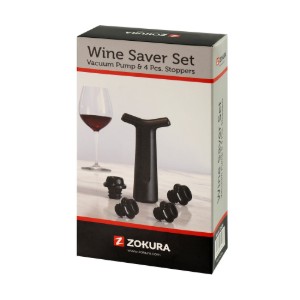
Vacuum pump for wine bottles, with 4 stoppers - Zokura
Code: Z1429