















Vegetable oil has become an increasingly common part of our diet over the past few decades, almost entirely replacing animal fats (lard or butter), which our ancestors used for cooking.
Numerous studies highlight the dangers of daily vegetable oil consumption, and many link this transition to the growing number of diabetes cases and other autoimmune diseases. The safest approach is either to maintain balance, in this case by consuming vegetable oils in moderation, or to eliminate as many risk factors as possible.
Fortunately, when it comes to choosing foods and how we cook them, we have plenty of options for cooking without oil, eating healthily, steaming, baking, and preparing food in any way we like. You don't even need to worry about the taste: simply prepared foods, cooked without oil, are delicious. At worst, there may be a transition period during which you get used to the natural taste of food, but the long-term positive effects are well worth it.
All you need to do is find alternatives for preparing your favorite foods without frying or using oils, and then enhance their flavor with herbs, spices, homemade sauces, and many other delicious combinations. For example, instead of classic French fries, you can make oven-baked potatoes with aromatic herbs and Parmesan. Delicious, isn't it?
We invite you to take away from this article the information you need to help you prepare a few healthy, oil-free dishes that you can always rely on as part of a healthy lifestyle.
What foods can be cooked without oil
Well, it's quite simple: ALL foods. 😊
Vegetables can be eaten raw, oven-baked (also see the article "Everything You Need to Know About Roasted Vegetables"), steamed, quickly sautéed in a non-stick pan, or grilled. The same goes for eggs and meat.
When it comes to vegetables, steaming is the best cooking method. It uses the water naturally contained in vegetables to cook them, requires a lower temperature, and preserves both their flavor and nutrients better than other methods. Not only does it require no oil, but it doesn't require anything else either, apart from a little salt or whichever natural seasonings you prefer. Vegetables are delicious when served with a homemade sauce, whether tomato sauce or hollandaise sauce (eggs, butter, wine, onion, lemon juice, and spices), bell pepper purée, sweet onion jam, or an orange or raspberry reduction. You can also add chopped almonds, pistachios, or walnuts for an extra-special flavor.
Meat is easiest to prepare in the oven, where it doesn't require much attention, or on a grill, which doesn't require oil. Ideally, you should marinate the meat the night before cooking or at least a few hours in advance (you'll find some marinade ideas in our article "How to Prepare the Perfect Pork Roast"). You can marinate meat in beer or wine, with a little mustard, honey, and spices. You can easily leave out the oil included in some recipes without affecting the flavor. Meat is then perfect for cooking in the oven or on the grill for 20–40 minutes. It's that simple!
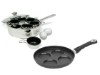
Eggs can just as easily be prepared without oil: boiled, fried in non-stick pans, made into shakshuka (with tomato and bell pepper sauce baked in the oven), or baked in muffin tins with a slice of bacon and cheddar or other cheese.
Combining meat or eggs with cooked vegetables or salad is ideal for a healthy diet. You can experiment with flavors in a million different ways, ensuring you always have something healthy and delicious on the table.
How to choose cookware for oil-free cooking
As you can see, the challenge isn't necessarily what or how we cook, but rather what we can cook in without using oil. You can also find tips in our article "Which cookware should we choose?" on how to select the right kitchen cookware that will serve you for maaaany years and allow you to cook healthily and safely for yourself and your family.
When cooking without oil, most cookware is unsuitable because food tends to stick. This is less of an issue in the oven, where you can use baking paper or parchment to prevent sticking, but cooking over a flame or on a stovetop can be a little more complicated.
What types of cookware can you use for oil-free cooking:

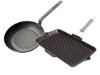
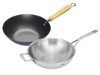
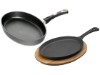
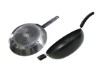
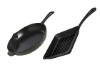
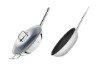
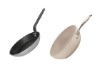
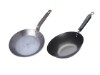
Frying pans with non-stick technology
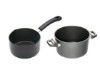
Modern pans have multiple layers, including a non-stick coating that is free of PFOA (perfluorooctanoic acid), allowing you to cook without oil or fats while remaining safe to use. The best ones work on all types of stovetops, including induction, distribute heat evenly, and are very easy to clean. Pans with all these qualities can be classic all-purpose pans, grill pans, or woks. See all products here.

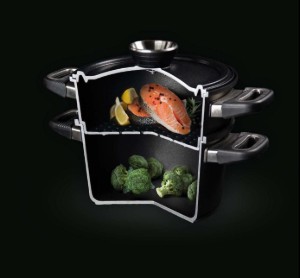
Steam cookware
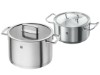
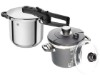
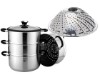
For steaming, you can use special electric steamers, pots or saucepans, as well as steaming baskets or accessories that can be used in any cookware. As mentioned above, this is the healthiest cooking method, especially for vegetables, and it is also very simple and easy. Some cookware even comes with a built-in thermometer, so you don't even have to check it constantly. Find out more here.

Glass cookware
Excellent for oven cooking, glass cookware that can withstand high temperatures is very safe and requires no oil. You can optionally add a little water to make sure the food doesn't stick, but keep in mind that the ingredients will release liquid during cooking anyway. Find out more here.

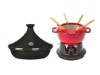
Tajine
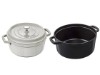
This special clay cooking vessel is used in North African cuisine to slowly cook dishes with exceptional flavor, allowing the aromas inside to blend perfectly. It consists of two parts: a round, deep base resembling a baking dish and a cone-shaped lid with a handle at the top. It is cooked over low heat with a little water, allowing steam to circulate inside the vessel. The flavor of each ingredient is enhanced, resulting in healthy and delicious food. Find out more here.

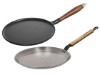
Ceramic cookware
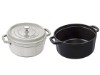
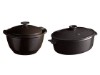
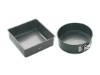
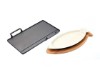
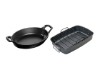
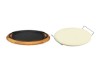
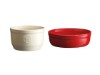
Most ceramic cookware is also very suitable for oil-free cooking. It can withstand high temperatures and cooks food evenly. You can choose from frying pans, special lidded oven dishes, tart pans, and dessert baking dishes. Many of these products not only last for years but also look beautiful and make your kitchen more stylish. Discover the products here.
As you can see, healthy eating and oil-free cooking are accessible to everyone, without making any compromises when it comes to the flavor of your food.
Useful tips for delicious, oil-free food
Just as we have plenty of options for replacing those famous unhealthy seasoning mixes or reducing our salt intake, there are also many ways to cook delicious food without oil.
Sometimes, it's not just the way you cook food that gives it flavor, but also the combinations you create to enhance its natural taste, which is especially delicious when it comes to vegetables bought at local markets or organic produce.
Now that we've established how you can cook healthily without oil, here are a few useful tricks to bring out even more flavor in your favorite foods.

Add tomato paste or chicken/vegetable stock
Whether you choose to cook in a pan, stir-fry, or bake in the oven, both options, depending on your preference, will give your food a delicious flavor. If you're not a fan of tomato paste or tomato juice, chicken or vegetable stock can transform any vegetable or meat into a delicious dish. For example, you can prepare a larger batch of stock at the beginning of the week. Use the liquid for cooking, and turn the vegetables into a purée.
P.S.: Not that we need excuses, but wine is also an excellent option for sautéing or stir-frying. 😊
Prepare your own mixes of favorite spices
Combine your favorite spices in special containers: salt, pepper, aromatic herbs, thyme, turmeric or curry, paprika, chili powder, garlic or onion granules, etc. Ideally, prepare separate mixes depending on what you're cooking. For fish, you can mix salt and pepper with aromatic herbs; for vegetables, use combinations of garlic, onion, and spices; and for meat, try paprika, chili powder, thyme, and so on.
To achieve the caramelized texture that oil gives oven-baked dishes, you can mix your favorite spice blend with soy sauce and water, or with lard if you don't follow a vegan diet.
Use sauces and dressings
Any meal becomes more delicious when you add a sauce or dressing that complements what you're serving.
Sauces can generally be made from vegetable purées (lentils, carrots, cauliflower, roasted bell peppers, etc.), combined with plant-based milk, butter (dairy or plant-based), spices, and optionally nutritional yeast flakes or miso for a more distinctive flavor.
A delicious sauce that goes with almost any dish is a green sauce made with parsley, spring onions or basil, the juice of one lemon, walnuts, and Parmesan. You can add other herbs you enjoy, while the walnuts give the sauces a special texture, meaning you don't need oil. Even classic Romanian garlic sauce (mujdei) tastes completely different when you blend a few walnuts into it.
Salads and vegetables can be complemented with dressings made from yogurt, mint, lemon juice or soy sauce, mustard, orange juice, and many other delicious combinations. Chopped walnuts added to salads or sprinkled over vegetables also give them a delicious flavor.
Delicious oven-baked chips
What people probably love most about fried foods is their crispy texture. You can recreate this texture by slicing vegetables very thinly. Place slices of potatoes, beetroot, celery, carrots, and anything else that catches your eye on a baking tray in an oven preheated to 220°C. Season them well and enjoy a crispy, delicious, and healthy snack.
Other recommended products:

Saucepan, aluminum, 20 cm, height 4 cm - AMT Gastroguss
Code: 420

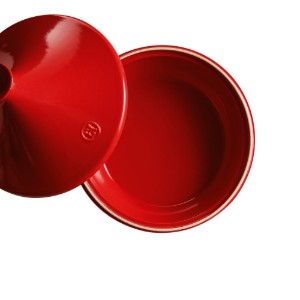
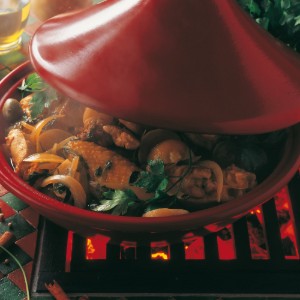
Tagine, ceramic, 27cm/2L, Burgundy - Emile Henry
Code: 562634

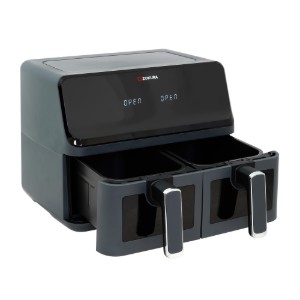
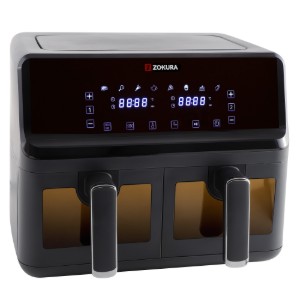
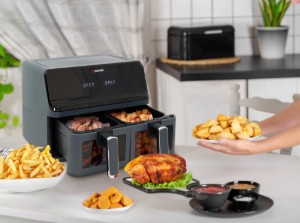
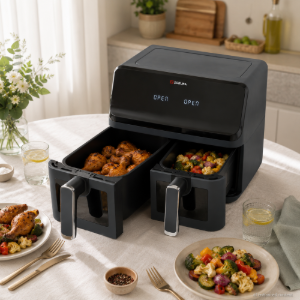
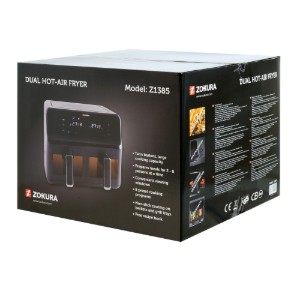
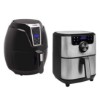
Double hot air fryer, 8 L, 1350+1350 W, Dark Gray - Zokura
Code: Z1385


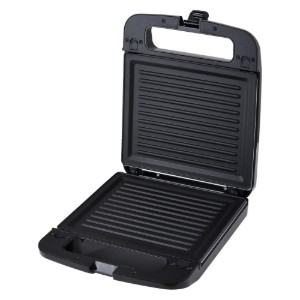
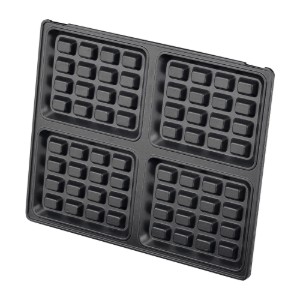
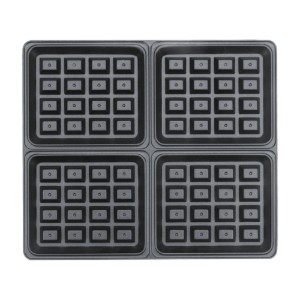
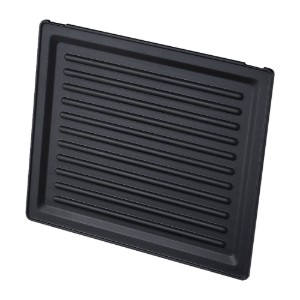
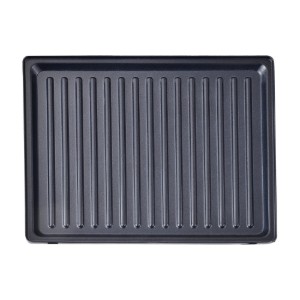

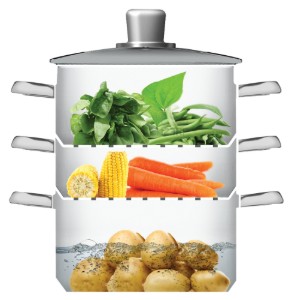
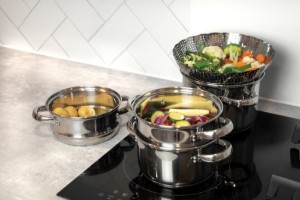
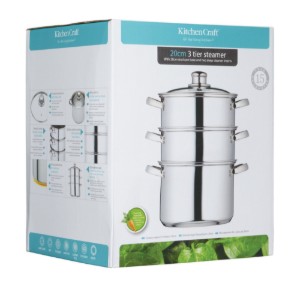
Set of multi-tiered stainless steel cooking pots for steam cooking - by Kitchen Craft
Code: KCCVSTEAM20
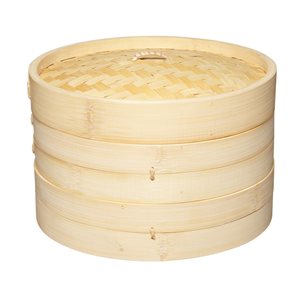
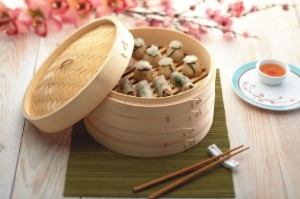
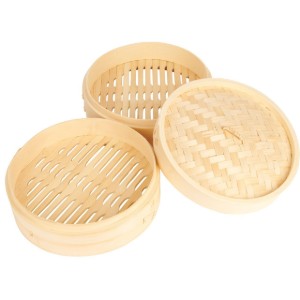
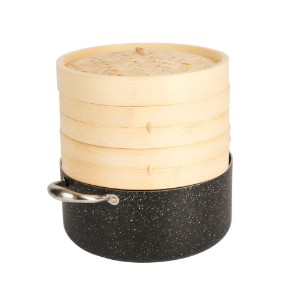
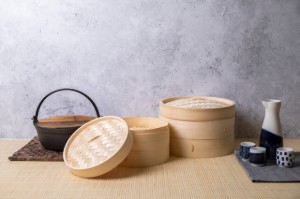
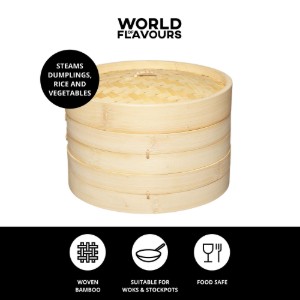
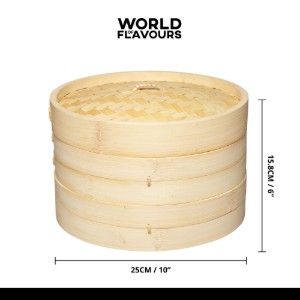
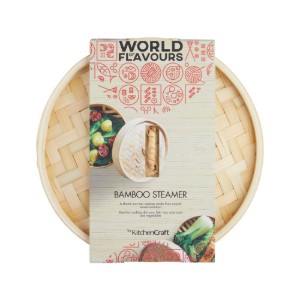
Steam cooking set, bamboo, 25 cm - Kitchen Craft brand
Code: WFORBAMBOO

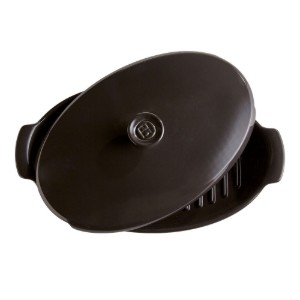
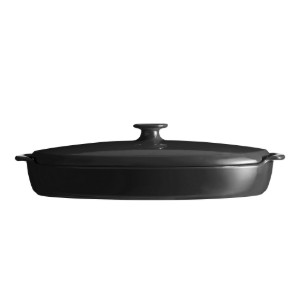
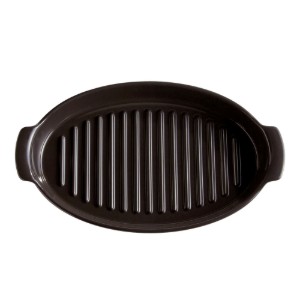
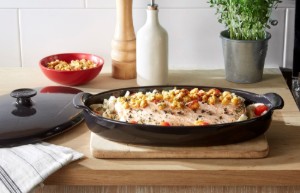
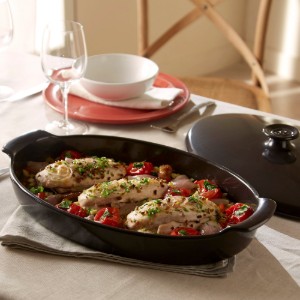
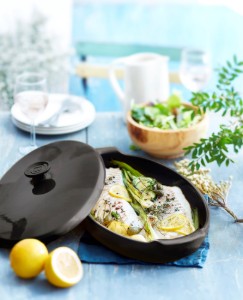
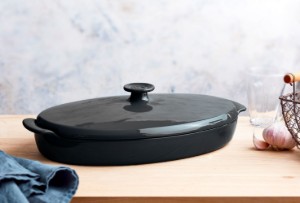
Steam cooking dish, ceramic, 42x25cm/1.9L, "PAPILLOTE", Charcoal - Emile Henry
Code: 844379
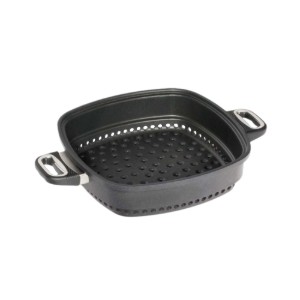
Steamer cooking dish, 28 x 28 cm, aluminum - AMT Gastroguss
Code: DUNSTE28

Deep frying pan, aluminum, 24 cm, height 8 cm - AMT Gastroguss
Code: 824