




























































































































































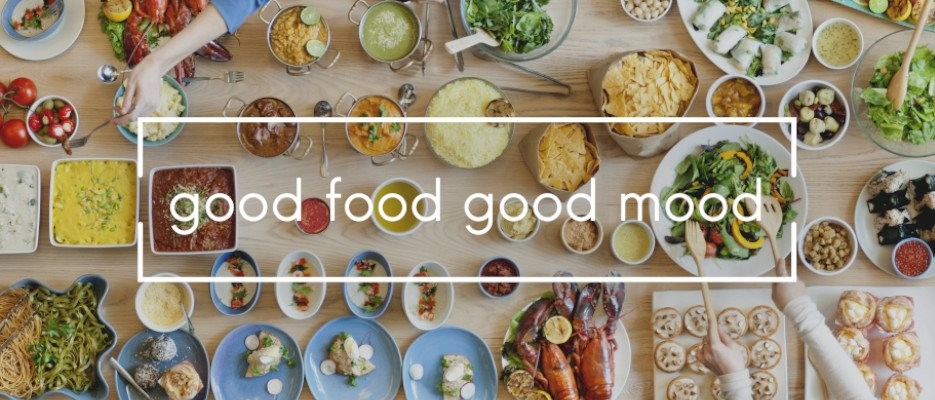
Food plays an extremely important role in our lives. Besides its primary purpose - survival - emotional eating is something we all do, to a greater or lesser extent.
Whether we calm our nerves with food, find comfort in it when we are sad or celebrate with “something tasty”, or use it to always feel in control by portioning and measuring everything perfectly, it is clear that eating is directly connected to emotions.
The nutrients in food have a direct effect on our mood, and every food influences the way our body and mind function. That is why it is extremely important to nourish ourselves with high-quality, minimally processed foods and to have variety in our nutrition, so that we can successfully fulfil all the roles we have in life.
Many scientific studies have demonstrated how important nutrition is in preventing most diseases and what effects it has on happiness, energy levels and motivation. If science does not necessarily inspire much confidence in you, you can experience for yourself the effects of a balanced diet and how each food or dish influences you.
Dishes That Improve Your Mood
Pizza or chocolate cake are not on the list, as you might expect. In general, sugar and carbohydrates provide momentary satisfaction and energy, especially for the brain, but in the long term they also bring many disadvantages, such as digestive problems, excess weight or inflammation in the body.
As easy as it is to order a pizza or make some French fries, they do very little to help us feel better or happier. Ideally, we should examine the reasons why we feel the need for unhealthy, high-calorie food, and add the following foods to our daily diet for energy and a good mood.

1. Fatty Fish and Foods Rich in Omega-3
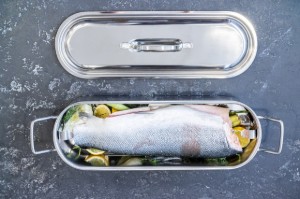
Fatty fish, preferably wild-caught rather than farmed, such as salmon, mackerel, tuna, sardines or cod, is rich in essential omega-3 fats, which the body cannot produce on its own. It contributes to the proper functioning of the cardiovascular system, including the brain, which leads to a lower risk of depression and therefore greater happiness.
Other important sources of omega-3: walnuts, chia, flax or hemp seeds, algae, edamame or beans.
2. Berries
Berries are full of antioxidants and substances that reduce oxidative stress, delay ageing, reduce inflammation in the body and improve mood.
3. Fermented Foods
You know that hollow feeling in your stomach, which we call intuition or “gut feeling”? The brain is directly connected to the intestines, so what we eat reaches the brain very quickly and influences our mood.
Fermented foods such as kefir, kombucha, pickles or miso contain probiotics, which contribute to digestive system health and serotonin production. Serotonin is the neurotransmitter responsible for happiness, the stress response and even sexual desire, and 90% of it is produced by healthy bacteria in the intestines.
4. Dark Chocolate
We also have some good news - chocolate is healthy and has multiple benefits if you choose a variety with more than 70% cocoa or even make it at home. Cocoa powder is rich in polyphenols, which reduce the effects of free radicals and premature ageing. It also reduces inflammation, improves circulation and helps regulate cholesterol and blood sugar levels in the body.
Ideally, make it at home using cocoa powder, coconut oil, honey or a natural sweetener and, optionally, other flavours such as cinnamon, vanilla or fruit. Lower-sugar and lower-fat varieties are also available commercially if you prefer to buy it.
5. Bananas
The perfect snack anytime, anywhere, bananas are rich in vitamin B6, among other nutrients, which stimulates the production of serotonin and dopamine, the neurotransmitters responsible for a good mood. Green bananas also contain prebiotics, so they help intestinal transit, just like fermented foods.
6. Nuts and Seeds
Another healthy snack idea that comes with a dose of happiness. Nuts and seeds are rich in healthy fats and tryptophan, an amino acid that helps release serotonin. Walnuts, almonds, cashews, pumpkin seeds and peanuts contribute to brain health. It is no coincidence that walnuts are shaped like the brain. 😊
In addition, almonds, Brazil nuts and pine nuts also contain zinc and selenium, minerals that are generally lacking in people who suffer from depression.
Other foods that we should ideally eat regularly for their benefits on energy levels and good mood:
- green tea or chamomile tea
- organ meats (liver, heart, etc.)
- turmeric
- seafood
- leafy greens (spinach, lettuce, arugula, etc.)
Aphrodisiac Foods
There is a reason people say that the way to the heart is through the stomach. What we eat really does influence how we feel and even how we interact with the people around us. There are many aspects to consider here, but when it comes to our kitchen, certain foods can help us.
Being in a good mood helps us feel more relaxed and happy in general, so the recommendations above are useful here too.

Here are a few foods to consider for your Saint Valentines dinner.
- Figs, just like avocados or bananas, contain numerous essential vitamins and minerals.
- Watermelon contains an amino acid that stimulates circulation and is beneficial for the body.
- Basil stimulates the sense of smell, so make sure you always have fresh basil on hand to flavour your food.
- Pistachios are rich in healthy fats, fibre and protein. Studies have shown a positive response following consumption of 100 grams per day for 3 weeks. Almonds are also very beneficial.
- Strawberries and raspberries contain plenty of zinc, which is essential for a healthy body. Fruit in general has numerous benefits, so add fruit salad to your list of dishes for romantic dinners too.
- Eggs contain an amino acid (arginine), which contributes to the proper functioning of the cardiovascular system.
For the most part, the components of a healthy and active life are rest, connection with your partner and honest, open communication, exercise, which also contributes to self-confidence, and time devoted to relaxing activities (meditation, reading, teas, massage, etc.).
The foods on the “blacklist” would be:
- alcohol - despite the myths surrounding wine or the idea that it helps you relax, alcohol does more harm than good.
- dairy products - any food that causes bloating should be avoided.
- processed food (including fast food, fried foods, pizza, pastries and ready-made meals) - almost anything containing a lot of carbohydrates, especially those from flour and fast-food products, lowers energy levels, and all your focus will go towards digestion.
- carbonated drinks - commercial soft drinks contain a lot of sugar and artificial sweeteners such as aspartame, which lower serotonin levels.
- soy products - soy is one of the most controversial foods because of its estrogen content and certain genetic modifications that affect the hormonal system. Ideally, you should generally avoid these products or at least check their origin very carefully.
Food should first and foremost nourish the body and mind, and only after making sure we get all the nutrients we need can we indulge in a few more sinful cravings.
We recommend a balanced diet and products from reliable sources, while calorie-rich treats should be exceptions.
We can tell you with certainty that healthy food tastes excellent, especially when you cook at home. You can use your favourite spices, and with various cooking techniques and tricks, you will discover delicious combinations and ingenious recipes.
Other Recommended Products:


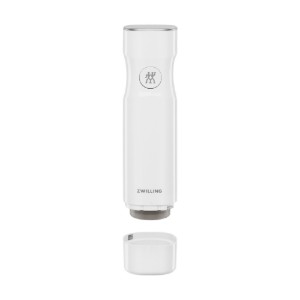






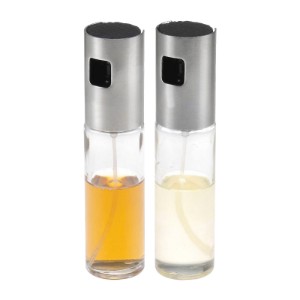
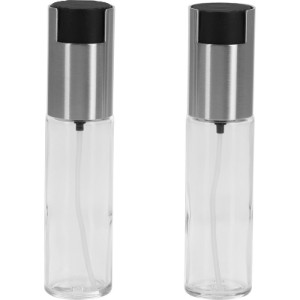

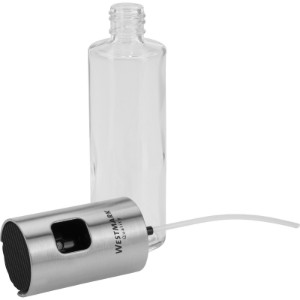
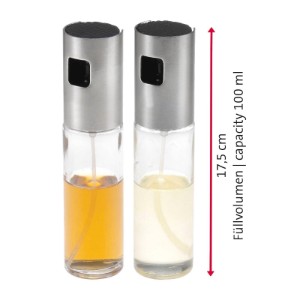
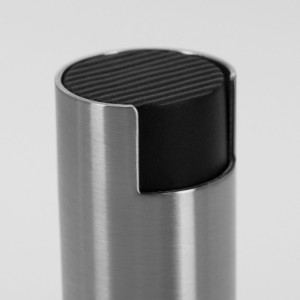
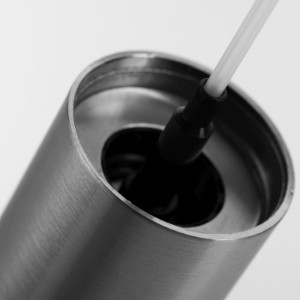
Set of 2 oil/vinegar sprayers, 100 ml - Westmark
Code: 24362260



Oil dispenser, ceramic, 0.45L, Burgundy - Emile Henry
Code: 021534
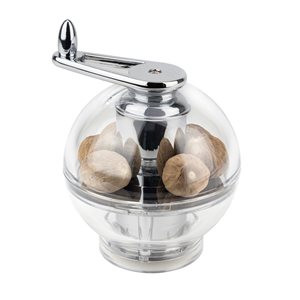



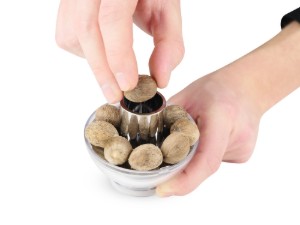
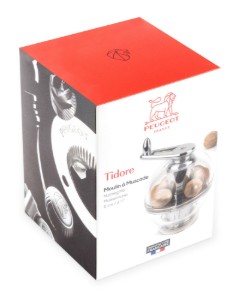
Nutmeg grinder, 11 cm, transparent - Peugeot
Code: 19501





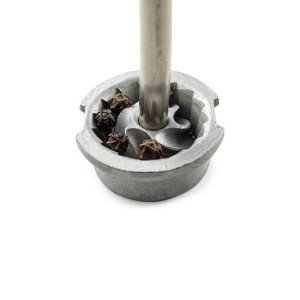
"Isen" pepper grinder with crank handle, 18 cm, Matte Black - Peugeot
Code: 37758