

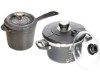
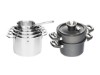
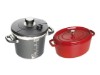
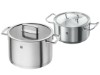
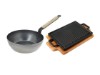
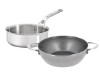
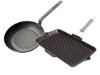
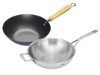
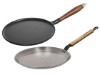
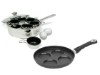
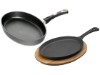

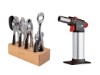
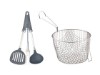
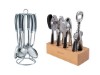
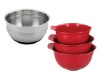
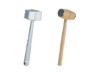
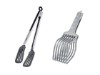
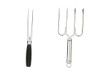
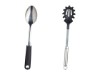

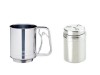
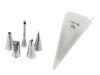
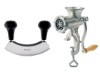
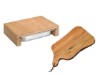
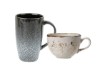
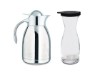






When you cook at home, you keep culinary traditions alive and take care of the whole family. However, if you love to surprise your loved ones with delicious dishes, it is important to be aware of the materials from which the cookware and utensils you work with are made. Non-toxic materials protect your health, but also contribute to a safe and sustainable environment. We will guide you to the most suitable options in the following lines!

How to choose non-toxic kitchen utensils?
You've probably noticed the variety of kitchen utensils available on the market. But have you ever wondered how healthy the cookware you use is and how to choose the right ones? The variety of models and options can be overwhelming, but if you do your research, it won't be difficult to choose the best non-toxic materials for your kitchen utensils.
First, try to avoid those that can release dangerous chemicals at high temperatures, such as certain types of plastic [1]. Instead, aim for utensils made of non-toxic materials, such as stainless steel, glass, ceramics and food-grade aluminum [2].
Another important tip is to read product labels and descriptions to make sure they are free of BPA, phthalates or other harmful substances. Look for products that have food safety certifications and are labelled as non-toxic. Investing in quality utensils, even if it may be a bit more expensive initially, will prove beneficial in the long run, both for your health and when it comes to product durability.

The safest and most recommended non-toxic materials for kitchen utensils
There are a variety of non-toxic materials you can choose from for your kitchen utensils. Each option has its own unique advantages and can enhance your cooking experience. Here are your options:
Stainless steel
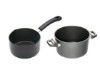
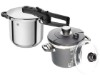
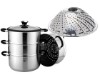
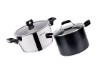
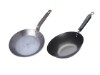
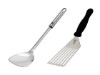
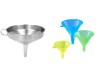
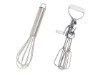
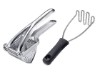
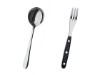
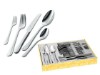
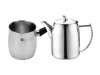
Stainless steel cookware is one of the safest and most durable options available. This material doesn’t react with food, doesn’t release chemicals and is highly resistant to corrosion [2]. Stainless steel is ideal for frying pans, cooking pots and cutlery as it provides even heat distribution and is easy to clean. It’s a good idea to have a variety of steel frying pans in your arsenal so you can efficiently cook a variety of recipes!
Glass
Glass dishes are also a great choice. Glass does not chemically react with food, does not absorb odors and does not release chemicals during cooking. As a result, it is ideal for both preparing food and storing and serving it. Glass utensils are also easy to clean and are usually dishwasher safe, making them very practical. Last but not least, glass is also a recyclable material, making it a sustainable option for your kitchen [2].
Ceramics
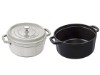
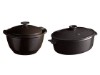
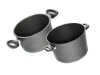
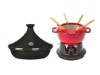
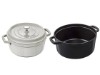
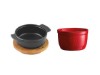
Ceramic cookware is known for its safety and ability to distribute heat evenly. Ceramics is the ideal material for stockpots and baking dishes as it doesn’t release chemicals into your food and is durable [2]. Ceramic stockpots are not only safe, but they are also aesthetically appealing, adding a rustic touch to your cooking space.
Food-grade aluminum
Food-grade aluminum is commonly used in the kitchen thanks to its light weight and excellent heat conductivity. It is important to make sure that the aluminum is anodized or coated with a protective layer to prevent chemical reactions with food. Anodized aluminum is safe and durable, which is why it is used for a variety of utensils and cookware [3].

Tips and tricks for caring and cleaning non-toxic kitchen utensils
To keep your non-toxic kitchen utensils in top condition and extend their lifespan, it's important to care for them properly. Here are some helpful tips and tricks:
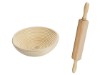
- Use mild cleaning products and avoid abrasive sponges that can damage the surface of utensils or cookware. Stainless steel or wooden utensils and glass or ceramic dishes can be cleaned with warm water and a mild dishwashing detergent;
- To prevent cracking or warping, avoid exposing dishes and utensils to sudden changes in temperature. For example, do not put hot dishes directly under cold water;
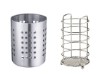
- Store utensils in a dry, well-ventilated place to prevent corrosion and mold. Use holders or organizers to prevent scratches;
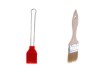
- Use the right utensils for each type of cookware - for example, for non-stick cookware, use wooden or silicone utensils to prevent scratches. Avoid metal utensils which can damage the non-stick coating.
So whether you choose stainless steel, glass, ceramics or food-grade aluminum, each material offers unique benefits that enhance safety and efficiency in the kitchen. By using these materials and properly caring for your cookware and utensils, you can turn cooking at home into an enjoyable, safe and sustainable activity!
If you want to equip your kitchen with high-quality, non-toxic cookware and utensils, explore the wide selection at KitchenShop! Here you will find everything you need to fully equip your cooking area. Discover our selection of utensils and cookware now and start cooking with confidence and care for your health and that of your loved ones!
[1] Jander, Juri, et al. "Release of Microplastics from Reusable Kitchen Plasticware and Generation of Thermal Potential Toxic Degradation Products in the Oven." Applied Sciences, vol. 12, no. 5, 28 Feb. 2022, pp. 2535–2535, www.mdpi.com/2076-3417/12/5/2535, https://doi.org/10.3390/app12052535. Accessed on July 22, 2024.
[2] “What Are the Safe Food Contact Surfaces and Materials?” Medium, Medium, 22 Dec. 2023, eliter-packaging.medium.com/what-are-the-safe-food-contact-surfaces-and-materials-6529365dafcc. Accessed on 22 July 2024.
[3] “Is Anodized Aluminum Really Food Safe?” Schaumburg Specialties, 22 Sept. 2021, schaumburgspecialties.com/blog-is-anodized-aluminum-really-food-safe/. Accessed on 22 July 2024.
Other recommended products:


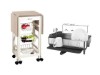
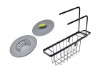
Sink caddy rack, 2 compartments, stainless steel - simplehuman
Code: KT1134


Container, borosilicate glass, Ø7cm, 350 ml, with bamboo lid - Zokura
Code: Z1411


Lunch box set, with 3 accessories, stainless steel, 1400ml, "Out of Lunch" - Grunwerg
Code: SSLB1400D


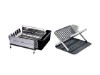
Slide-out organizer for cabinet, 50.8 x 35 cm - simplehuman
Code: KT1119
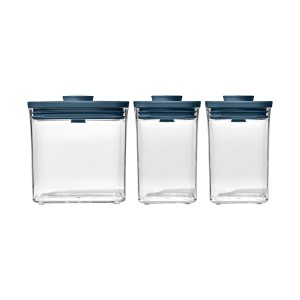
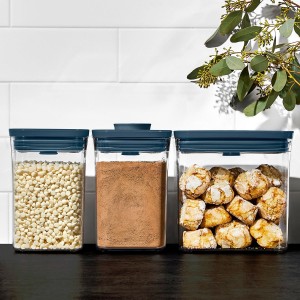
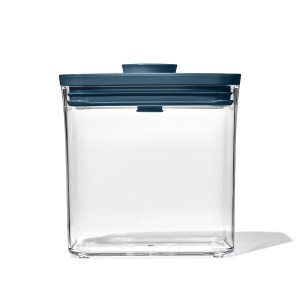
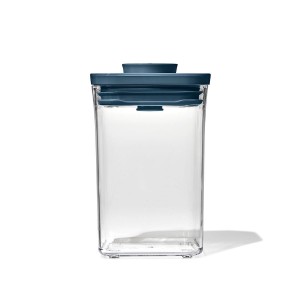
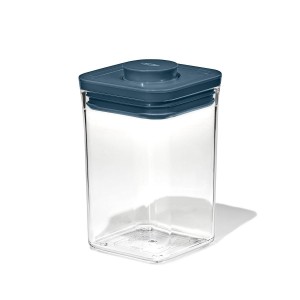
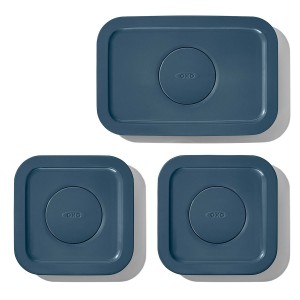
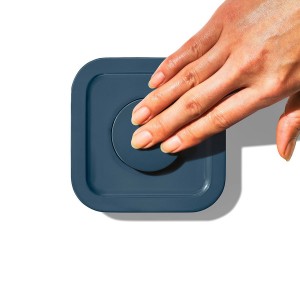
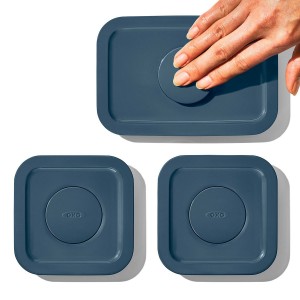
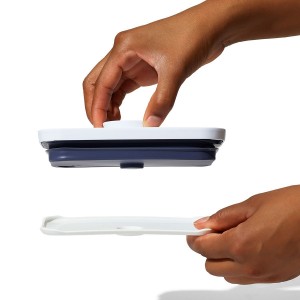
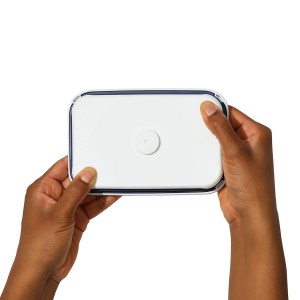
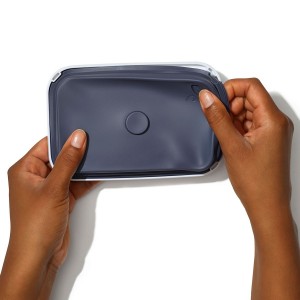
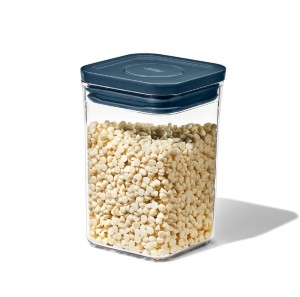
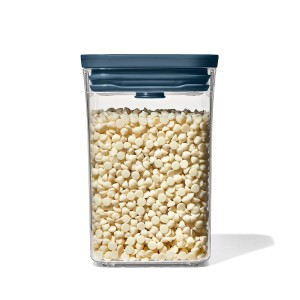
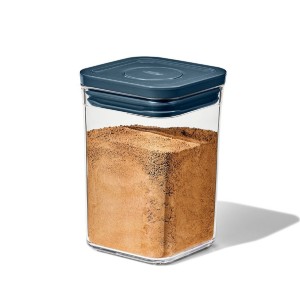
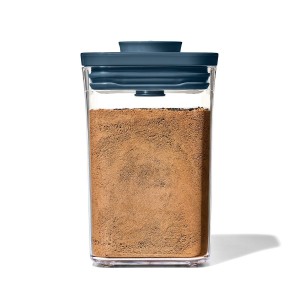
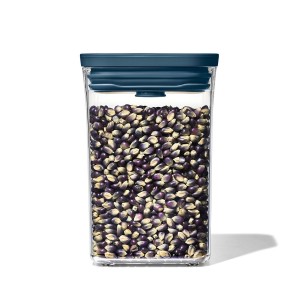
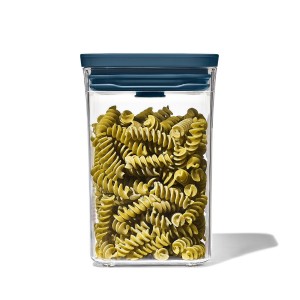
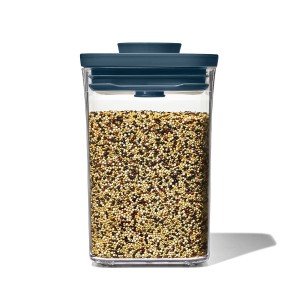
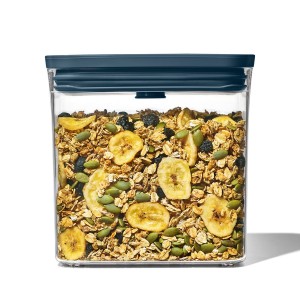
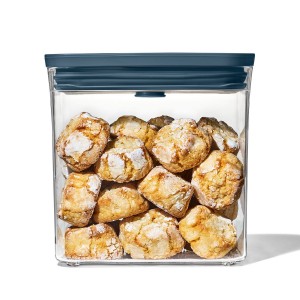
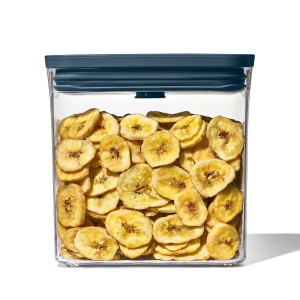
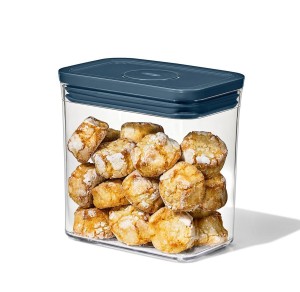
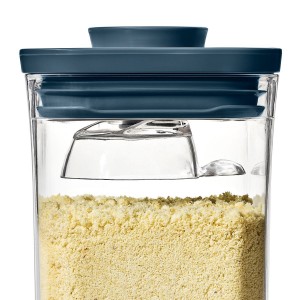
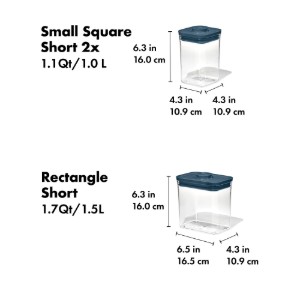
3-piece POP food container set, plastic, Storm Blue - OXO
Code: 11384800


Wall-mounted holder for lids, chromed steel - Zokura
Code: Z1384


Expandable drawer organizer, 25 - 45.9 cm - OXO
Code: 13321900
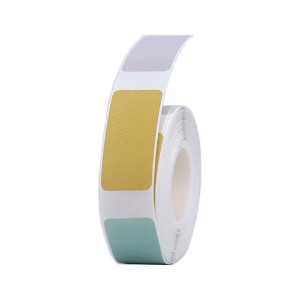
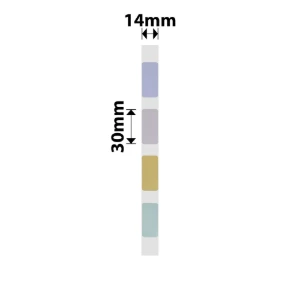
Label sticker roll, 14x30mm, 210 pcs/roll, Cornfield - NIIMBOT
Code: 6975746635707


