;

You have no items in your shopping cart.

-
Products
-
Cookware
-
Ovenware
-
Knives
-
Kitchen appliances
-
Kitchenware
-
Measuring utensils
-
Utensils for decorating
-
Appliances and knives for spiraling
-
Plate decoration
-
Fruit and ice cream cups
-
Decorating knives
-
Utensils for decorating drinks
-
Cake Pops molds
-
Biscuit molds and cutters
-
Ice cream molds
-
Molds for marzipan and chocolate
-
Decorating platters
-
Whipped cream siphons
-
Decorating sets
-
Food and drink decorating shakers
-
Icing syringes, pastry nozzles and piping bags
-
-
-
Serveware
-
Drinkware
-
For preparing drinks
-
Pasta-making tools
-
Storage and organization
-
Outdoor activities
-
Cleaning items
-
Home items
-
Cook Books
-
Beauty products
-
- New products
- KitchenShop Loyalty Program
- Contact us




-
Products

- Products
-
New products
-
Cookware
-
Ovenware
-
Knives
-
Kitchen appliances
-
Kitchenware
-
Kitchenware
-
Cooking utensils
-
Measuring utensils
-
Utensils for decorating
-
Utensils for decorating
-
Appliances and knives for spiraling
-
Plate decoration
-
Fruit and ice cream cups
-
Decorating knives
-
Utensils for decorating drinks
-
Cake Pops molds
-
Biscuit molds and cutters
-
Ice cream molds
-
Molds for marzipan and chocolate
-
Decorating platters
-
Whipped cream siphons
-
Decorating sets
-
Food and drink decorating shakers
-
Icing syringes, pastry nozzles and piping bags
-
-
Utensils for cutting, chopping and peeling
-
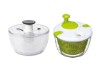
Salad spinners
-
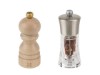
Spice grinders
-
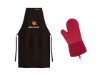
Kitchen textiles
-
-
Serveware
-
Drinkware
-
For preparing drinks
-
Pasta-making tools
-
Storage and organization
-
Outdoor activities
-
Cleaning items
-
Home items
-
Cook Books
-
Beauty products
-
Brands
- Contact us KitchenShop Loyalty Program
Recommended products
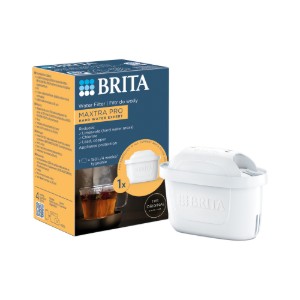
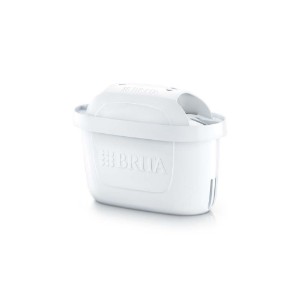
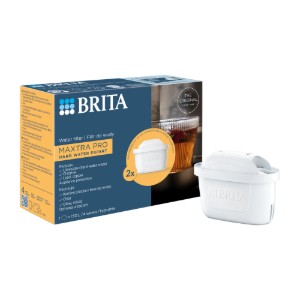
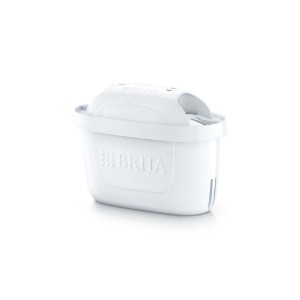
Set of 2 BRITA Maxtra PRO Hard Water Expert filters
Code: BR1051767
In stock. Delivery in 2-5 days.
€17.98
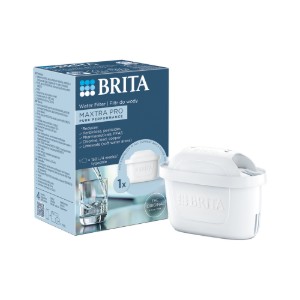
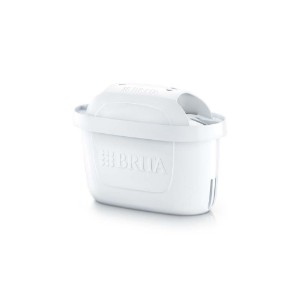
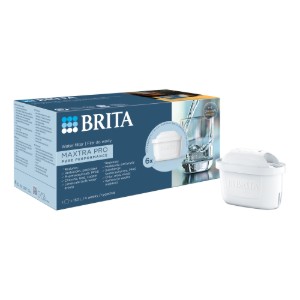
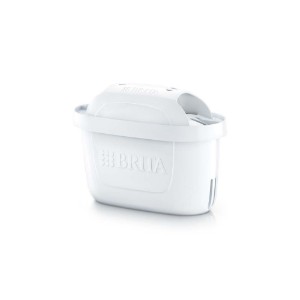
Set of 6 BRITA filters MAXTRA PRO Pure Performance
Code: BR1051761
In stock. Delivery in 2-5 days.
€43.94
Other products in the same category
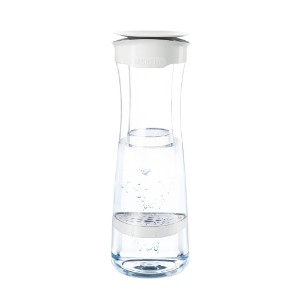

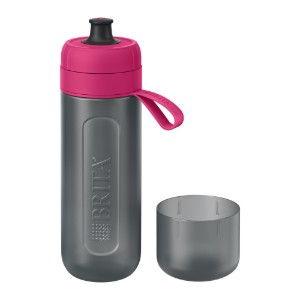
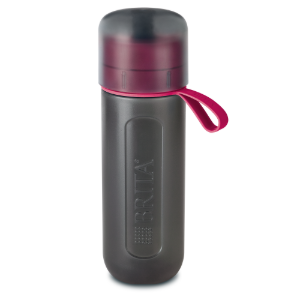
BRITA Fill&Go Active 600 ml filter water bottle
Code: BR1020337
In stock. Delivery in 2-5 days.
€13.99
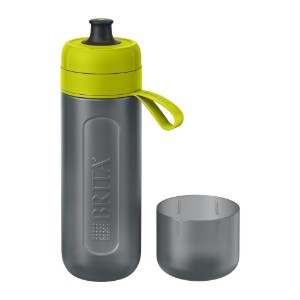
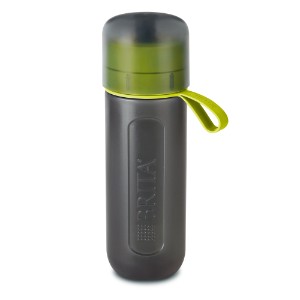
BRITA Fill&Go Active 600 ml filter water bottle
Code: BR1020338
In stock. Delivery in 2-5 days.
€13.99
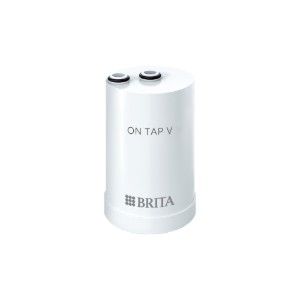
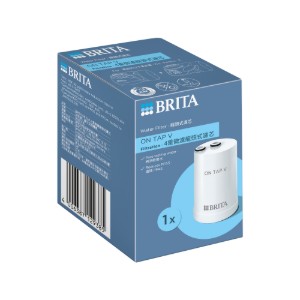
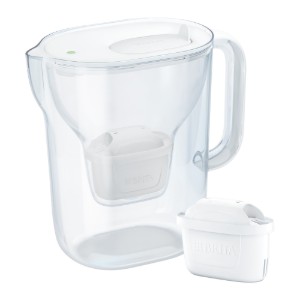
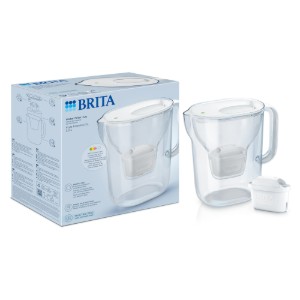
Water Filtering Jug, BRITA Style Essential 3.6 L Maxtra Pro (White)
Code: BR1057788
In stock. Delivery in 2-5 days.
€30.99
€27.89
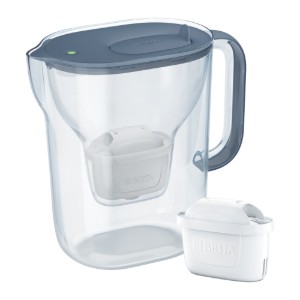
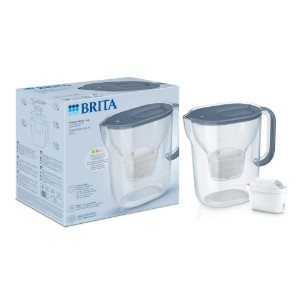
Water filtering jug BRITA Style Essential 3.6 L Maxtra Pro (Stone Blue)
Code: BR1057786
In stock. Delivery in 2-5 days.
€30.99
€27.89
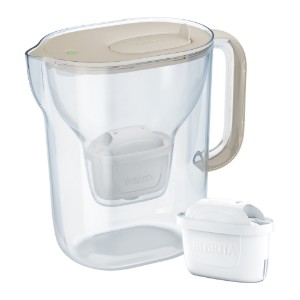
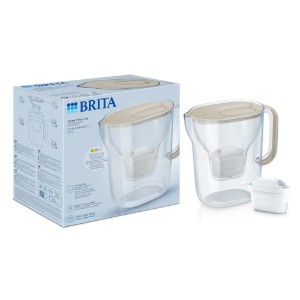
Water Filtering Jug, BRITA Style Essential 3.6 L Maxtra Pro (Sand)
Code: BR1057787
In stock. Delivery in 2-5 days.
€30.99
€27.89
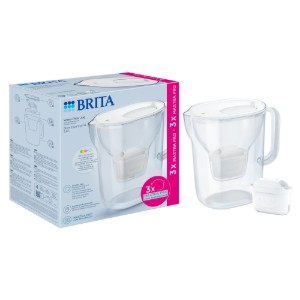
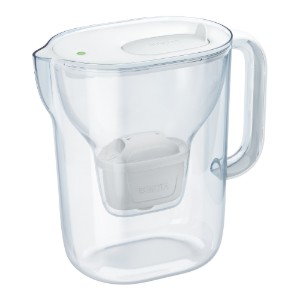
Starter pack BRITA Style Essential 3.6 L + 3 Maxtra Pro filters (White)
Code: BR1058702
In stock. Delivery in 2-5 days.
€38.98
€35.08
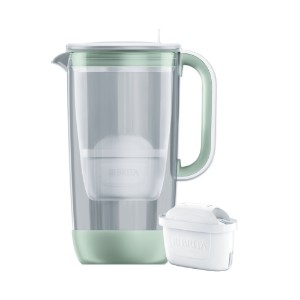
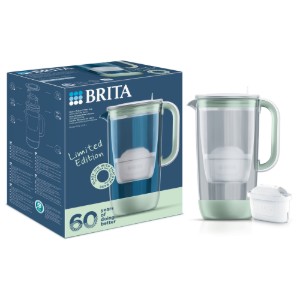
Filter jug, 60th Anniversary Edition, made from glass, 2.5 L, Maxtra PRO (lightgreen) - BRITA
Code: BR1061072
In stock. Delivery in 2-5 days.
€59.99
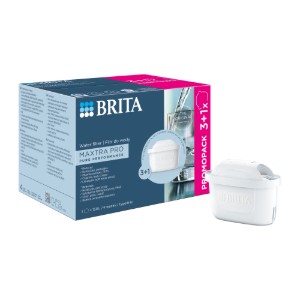
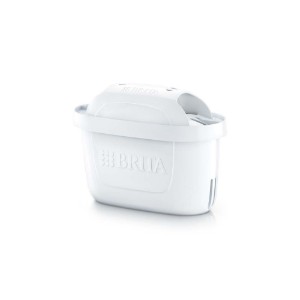
Set of 3+1 BRITA Maxtra PRO Pure Performance filters
Code: BR1061200
In stock. Delivery in 2-5 days.
€29.96
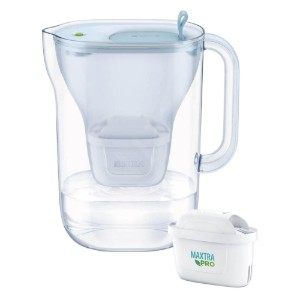
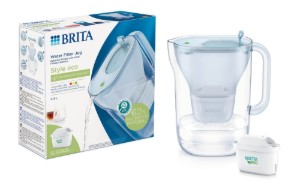
Water filtering jug Style Eco 2.4 L Maxtra PRO (Powder Blue)
Code: BR1052807
In stock. Delivery in 2-5 days.
€38.99
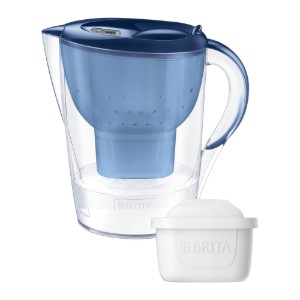
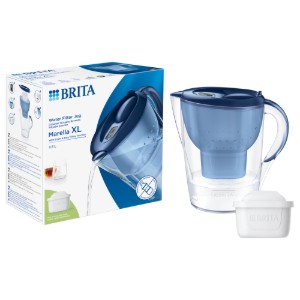
Filter jug, BRITA Marella XL 3.5 L Maxtra PRO (blue)
Code: BR1061239
In stock. Delivery in 2-5 days.
€33.89
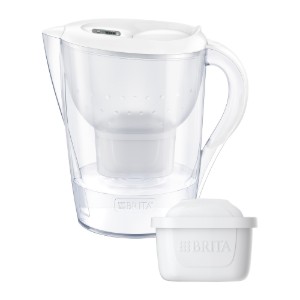
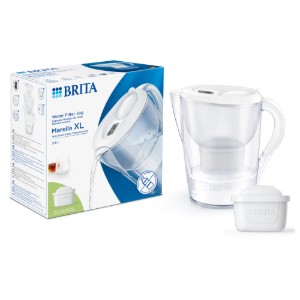
Filter jug, BRITA Marella XL 3.5 L Maxtra PRO (white)
Code: BR1061240
In stock. Delivery in 2-5 days.
€33.89
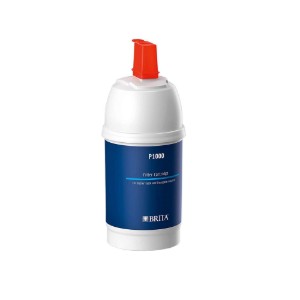
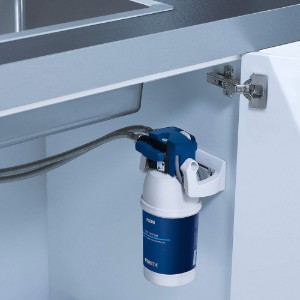
P1000 spare filter for My Pure P1 filter system - Brita
Code: BR1004263
In stock. Delivery in 2-5 days.
€55.99
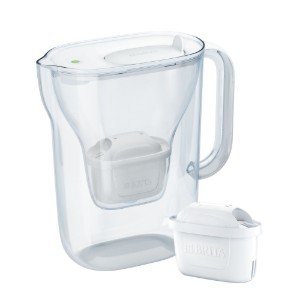
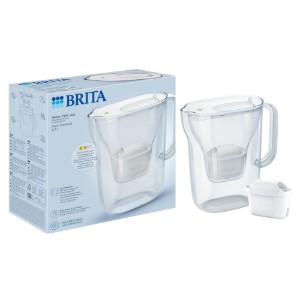
BRITA Style Essential filtering mug Maxtra Pro 2.4 L (White)
Code: BR1057789
In stock. Delivery in 2-5 days.
€29.90
€26.91
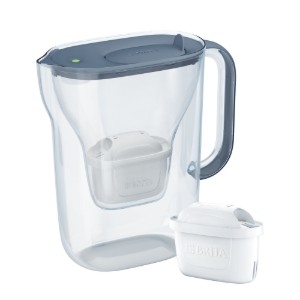
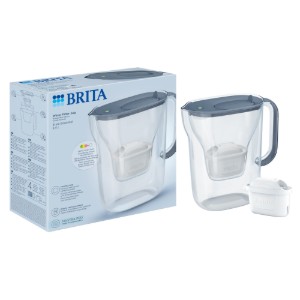
BRITA Style Essential filtering jug 2.4 L Maxtra Pro Water (Stone Blue)
Code: BR1057790
In stock. Delivery in 2-5 days.
€29.90
€26.91
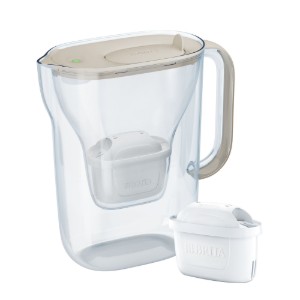
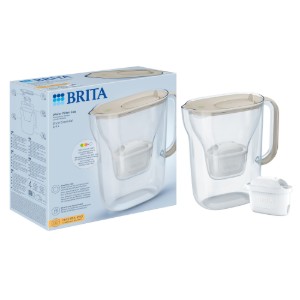
BRITA Style Essential filtering jug 2.4 L Maxtra Pro Limescale Expert (Sand)
Code: BR1057792
In stock. Delivery in 2-5 days.
€29.90
€26.91
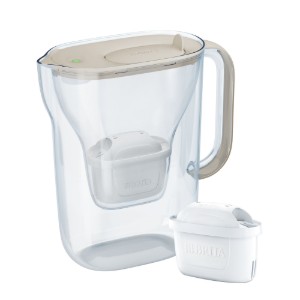
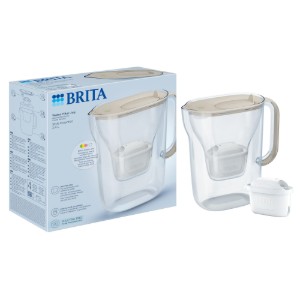
BRITA Style Essential water filtering jug 2.4 L Maxtra Pro Pure Performance (Sand)
Code: BR1057794
In stock. Delivery in 2-5 days.
€29.90
€23.92
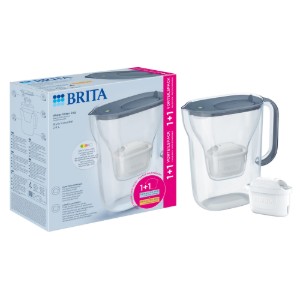
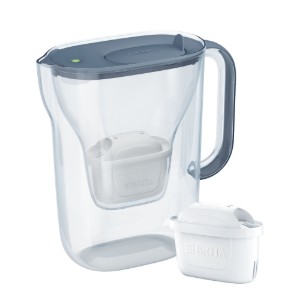
BRITA Style Essential water filtering jug 2.4 L + 2 Maxtra Pro Filters (Stone Blue)
Code: BR1057796
In stock. Delivery in 2-5 days.
€33.90
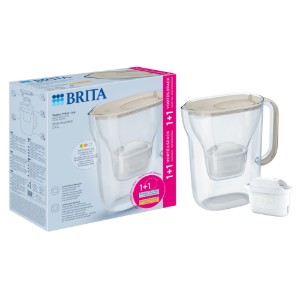
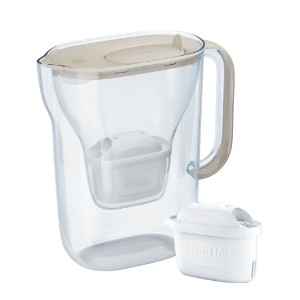
BRITA Style Essential water filtering jug 2.4 L + 2 Maxtra Pro Filters (Sand)
Code: BR1057797
In stock. Delivery in 2-5 days.
€33.90
Reviews
Images from customers