





















Coffee is such a beloved beverage that only drinking water seems to be more widespread across the globe. If you like to add a little passion to your coffee, here are the secrets hidden in every cup and the different ways you can serve it.
- General information
- The history of coffee
- The most popular ways to prepare coffee
- Properties and nutritional values
- Precautions
- Benefits
- Other uses
General information
Long a part of the daily routine for most of us, coffee is both a delight and a stimulant. Over time, the craving for coffee has opened up new trade routes, brought together cultures that have discovered shared passions, and intensified the hustle and bustle of major cities. Often viewed as a vice, the beverage we prepare today in a coffee pot, coffee maker, or espresso machine actually offers numerous benefits for the brain and body - provided it is consumed without sugar, milk, or coffee creamer.
Rich in antioxidants and nutrients, this strongly aromatic and energizing beverage has beneficial effects on the functioning of the central nervous system and the heart. If you make sure not to exceed 3-4 cups of coffee per day, you can rest assured that it will have a positive impact on your physical and mental well-being. Moreover, the positive effects will also be felt in your social life, which can only benefit from it. After all, many love stories or long-lasting friendships begin over a cup of coffee.
The history of coffee
The variety of age-old legends about the origins of coffee is almost as vast as the richness of flavors in which it can be enjoyed. One of the stories tells of the ancient inhabitants of the Kaffa region in Ethiopia, who are said to have discovered the invigorating effects of coffee beans nine centuries ago. Another legend, also from Ethiopia, tells of the revelation that the shepherd Kaldi had thanks to his sheep.
Kaldi discovered that his animals gained strength every time they ate the red berries of a certain tree. Today, many cafes in Ethiopia proudly bear the shepherd's name to honor his legend. In Yemen, the story of Sheikh Omar, who is said to have earned sainthood once he discovered the miraculous effect of the brown liquid in which he had boiled, out of curiosity, the berries he had picked from a mysterious bush, still circulates.
The first authentic and documented historical reference to the custom of drinking coffee dates back to the 15th century, when, the memoirs of the Yemeni Ahmed al-Ghaffar record the practice of Sufi Muslims staying awake with the help of coffee during their rituals. It is believed that sacks of coffee beans arrived in Yemen from Africa, via the port of Aden, brought on the ship of Muhammad Ibn SA'd.
By the 16th century, Arabica coffee had made its way to Persia, Turkey, and northern Africa, and in 1670, the black beverage had reached the cups of India, thanks to the efforts of Sufi Baba Budan. Arriving in Europe in the 17th century, coffee was received with reluctance, as an evil drink, but all fear was dispelled once Pope Clement VIII eagerly sipped his first sip.
It was aboard British ships that coffee conquered, in the same century, the final frontier: New Amsterdam, a vibrant and diverse city that we all recognize today by the name New York. By the late 1600s, Europe had more than 500 coffeehouses, and people did not just drink coffee there - they are also engaged in heated political debates, devised new social orders, and even planned revolutions.
The most popular ways to make coffee
The minutes right after you wake up aren't exactly the most pleasant of the day, but any morning will be sweeter if you take the time to patiently prepare a good cup of coffee. Here are a few suggestions on how to make it:
● Filter coffee
Created in 1870 by the American Benjamin Thompson, this is one of the most popular types of coffee, served today both at home and in cafes and restaurants. Coffee makers make the brewing process much easier, ensuring a peaceful start to the morning that sets the tone for a productive day.
To start the brewing process off on the right foot, pour about 12 grams of coffee into the coffee maker for every 200 milliliters of water. The ideal temperature for this coffee is below boiling, so that the coffee's aromas and oils are not compromised. Allow coffee to brew for 3-3.5 minutes, then pour it into a cup and enjoy every drop.
● Coffee brewed in a coffee pot
Hemelia vastarix, a dangerous fungus that decimated Ethiopian coffee trees in the 19th century, led Congolese horticulturists to discover the more pest-resistant Robusta variety. Robusta is the choice of coffee pot -brewers, thanks to its higher caffeine content, lower acidity and more bitter taste that instantly activates the senses.
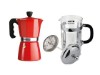
For a 100-milliliter coffee pot, you will use about two heaped teaspoons of coffee. If you want a really strong coffee, you can increase the amount to four teaspoons. Dissolve the sugar in the water on the stove before adding the coffee, and after adding it, stir slowly and reduce the flame. When the coffee foam becomes rich and a circular area of more intense color appears in the center of the coffe pot, you know that you can turn off the heat and pour the coffee into cups.
● Espresso
The early 20th century brought us the coffee variety with the most distinctly European identity: espresso. Created in Italy, this type of coffee is brewed in no more than 30 seconds, using a jet of hot water, under high pressure. For best results, it is recommended to buy whole beans and use a grinder to ensure the freshest possible aroma.
The natural oils in coffee unleash their rich, strong flavor when brewed in an espresso machine, but in reality, this drink is not any stronger than if you were to prepare it another way using the same amount. You can enjoy an espresso on its own or add just a little sugar, but you can also use it as a base for other drinks, such as cappuccino, mocha or latte.
Properties and nutritional values
Coffee is one of the safest sources of antioxidants, a reliable ally of tissues in the fight against the aggressive effects of pollution, dust and free radicals on them. With its rich content of active compounds, known as polyphenols, coffee surpasses black and green tea in this regard, reaching a concentration of 210 milligrams of polyphenols per 100 milliliters.
Unlike other drinks with claims to do so, coffee doesn't add a hefty dose of calories to your daily diet. A 150-milliliter cup contains no more than 80 calories, but this only applies to unsweetened coffee that has not had milk or coffee cream added. The main ingredients in coffee are caffeine, tannin, xanthine, guaiacol, citric acid, chlorogenic acid and acetaldehyde.
Precautions
After learning about the many benefits of drinking coffee, you might be tempted to drink even more of your favorite beverage. Before you do, it's a good idea to learn about the risks thet even well-intentioned overconsumption could pose. Too much caffeine can cause dehydration and increased anxiety.
Women who are trying to get pregnant could see their chances jeopardized if they overdo it with coffee consumption and disruption of the circadian rhythm of sleep is another danger that lurks for those who are tempted too easily. Patients with symptoms of anxiety or depression should also be monitored regarding coffee consumption, an aggravating factor in their conditions.
Benefits
While there are some reasons not to recommend drinking coffee, there are many more reasons why this drink can be a safe part of your diet. With the exception of those suffering from heart conditions or pregnant women, everyone can enjoy not only the unique flavor of coffee, but also the benefits that its consumption brings.
Through its immediate action, coffee gives you energy and even enhances your receptivity. Memory, alertness, concentration and physical endurance increase once caffeine enters the bloodstream and reaches the brain, and the fact that this substance increases the rate of metabolism shows that it is also a good help in weight loss diets. Coffee is rich in vitamins B2, B3 and B5, as well as magnesium and potassium.
Among the beneficial effects of coffee on health, a Harvard study* also lists:
- reduces the risk of developing type 2 diabetes;
- decreases the risk of Parkinson's and Alzheimer's diseases;
- reduces the risk of cervical and liver cancer;
- relieves gout symptoms
The same study shows that moderate coffee consumption keeps you away from the likelihood of a heart attack or heart failure. Strokes or brain hemorrhages are also discouraged by coffee consumption.
Other uses
You will continue to enjoy the benefits of coffee even after you have finished your cup, thanks to the many uses of coffee grounds. You can strategically place a few small piles in your pantry or garden to keep insects away. In the garden you will also discover another benefit of coffee grounds: their fertilizing properties will give your tomatoes, carrots or even melons a better flavor.
So, coffee is history, a dietary supplement and an opportunity to socialize. Above all, though, coffee is a sensory experience you owe it to yourself to enjoy, so that you can say that you are truly savoring life to the fullest.
*https://www.health.harvard.edu/blog/the-latest-scoop-on-the-health-benefits-of-coffee-2017092512429Other recommended products:
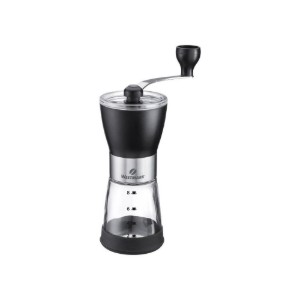
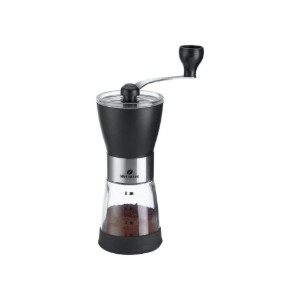
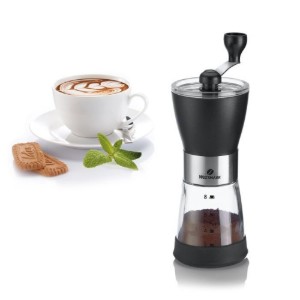
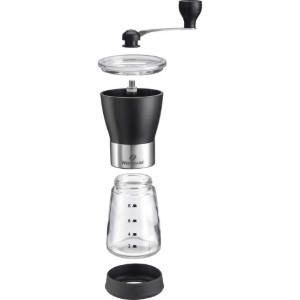
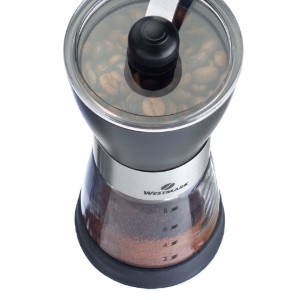
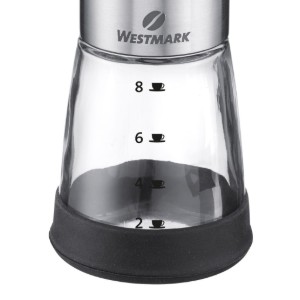
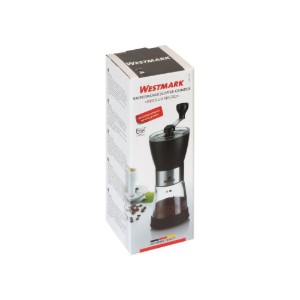
"Brasilia Negro" coffee grinder, 21.5 cm - Westmark
Code: 24922260
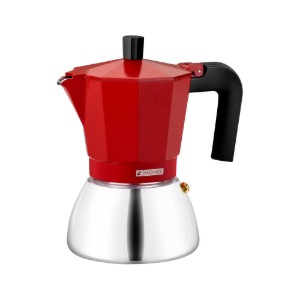
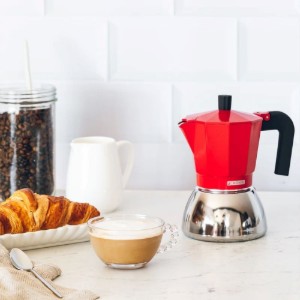
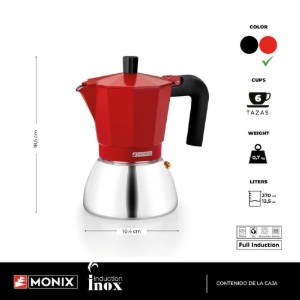
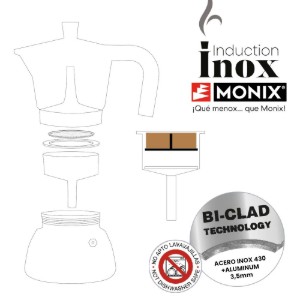
Coffee maker, stainless steel/aluminium, 370 ml, Red - Monix
Code: M863106
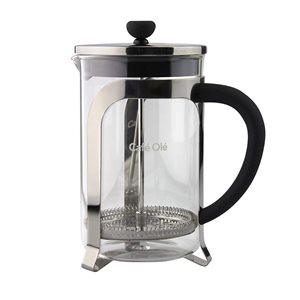
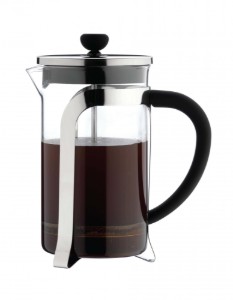
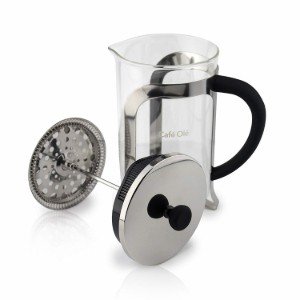
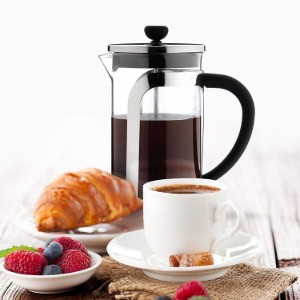
Coffee maker, 800 ml, glass, "Café Ole Mode"- Grunwerg
Code: KM08C
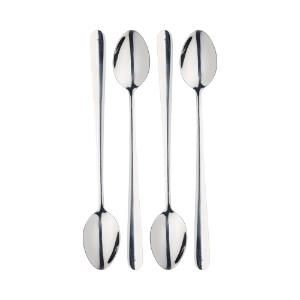
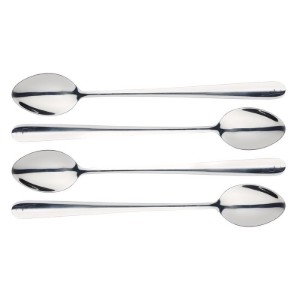
Set of 4 teaspoons, stainless steel - MasterClass
Code: MCLATTESPN
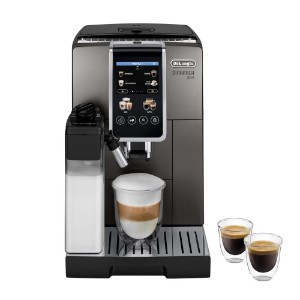
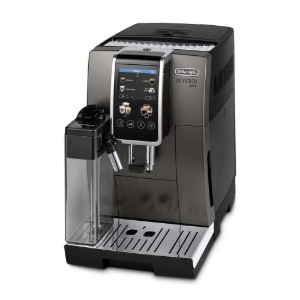

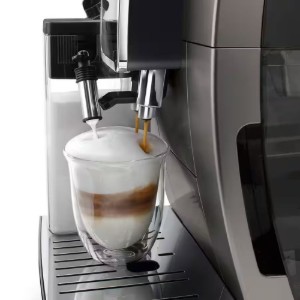
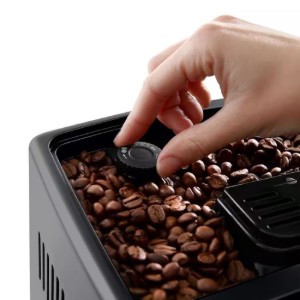
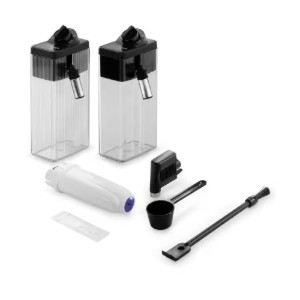

Automatic espresso machine 1450 W, "Dinamica Plus", Titanium Black - DeLonghi
Code: RO0132215486
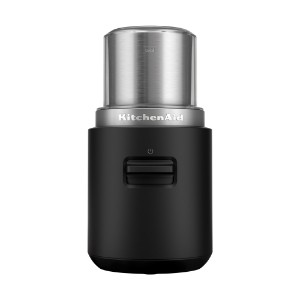
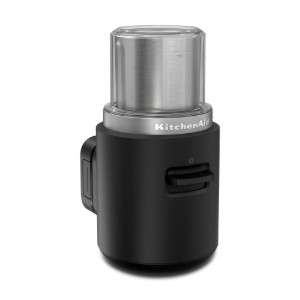
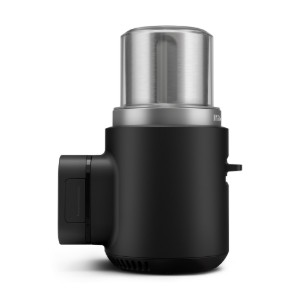
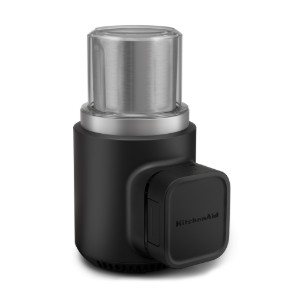
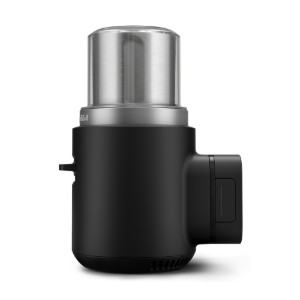
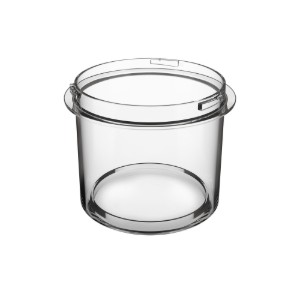




GO cordless coffee grinder, 113g, with battery, Matte Black - KitchenAid
Code: 5KBGR111BM
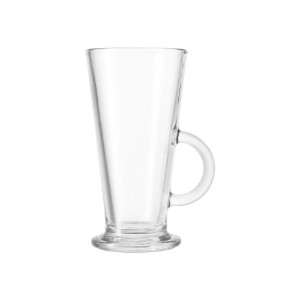
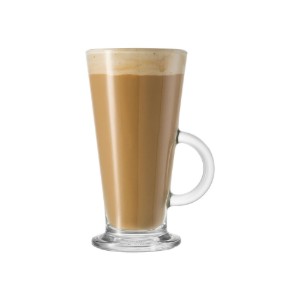
Latte cup, made from glass, 280 ml, "Conic" - Borgonovo
Code: 13279019
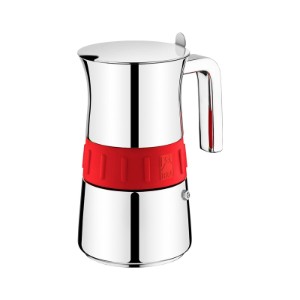
Coffee maker, stainless steel, 500 ml, "Elegance", Red - BRA
Code: A170568R
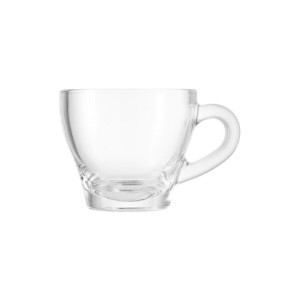
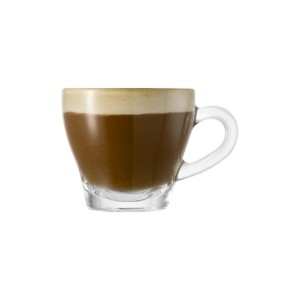
Cappuccino cup, glass, 180ml, "Ischia" - Borgonovo
Code: 13220320