



























Culinary trends come and go, but cooking and food preparation techniques are the foundation of the culinary arts.
Today, it is the turn of blanching, a technique frequently used in professional kitchens, which has extraordinary effects on food. Discover all the essential information in the lines below.
What is blanching?
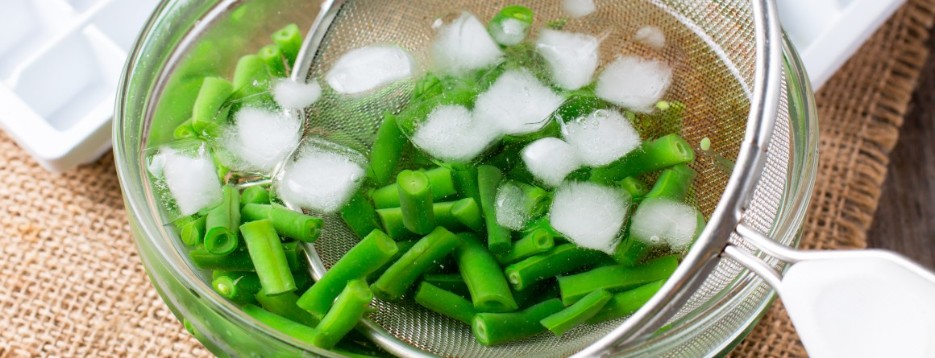
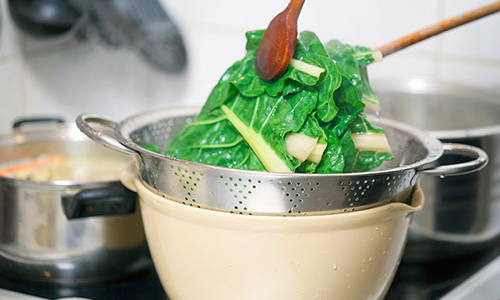
Blanching is a cooking process in which fruits and vegetables are placed in boiling water for a very short time: from a few seconds to a maximum of a few minutes. Usually, the food is transferred directly from the hot water into ice water for almost instant cooling.
Blanching is a technique used before cooking or freezing food, with the aim of preserving the color, texture and nutrients in the food.
Types of blanching
If you hear people talking about blanching, without mentioning a specific technique, it is very likely that they are referring to blanching in boiling water. However, there are other methods used in kitchens:
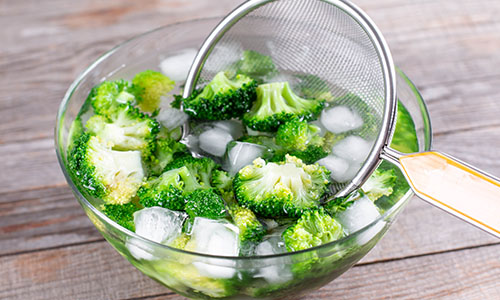
Blanching in boiling water
This is the most popular blanching method and involves boiling water to quickly cook the food, which helps maintain its color and flavor while softening its texture. It is ideal for large quantities and for most vegetables.
Blanching with steam
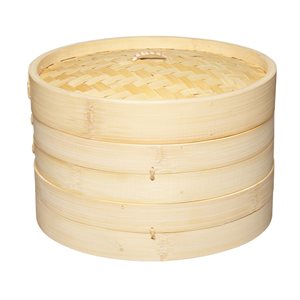
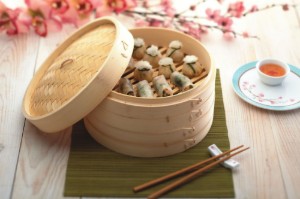
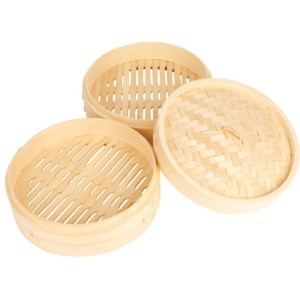
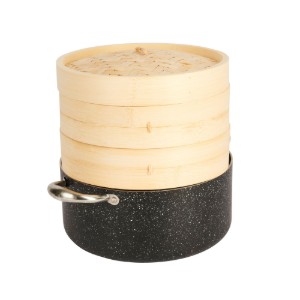
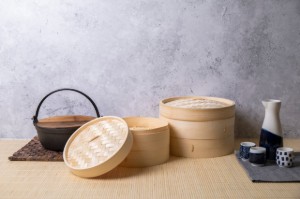
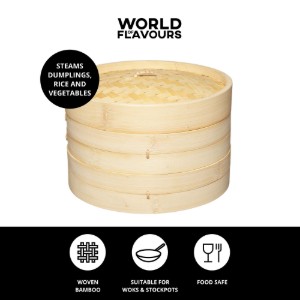
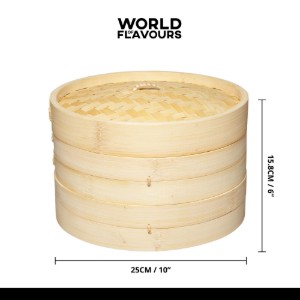
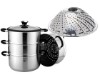
By placing the food in a steamer basket above boiling water, this technique uses steam to gently cook the food. It preserves more nutrients and flavor compared to water blanching, making it an excellent choice for delicate vegetables.
Blanching in the microwave
You can use the microwave to quickly heat food with a small amount of water in a covered dish. You can also find other information in our article "Types of cookware that can be safely used in the microwave".
It is useful for small portions and minimizes nutrient loss, while also being an efficient and suitable option when you do not have much time available.
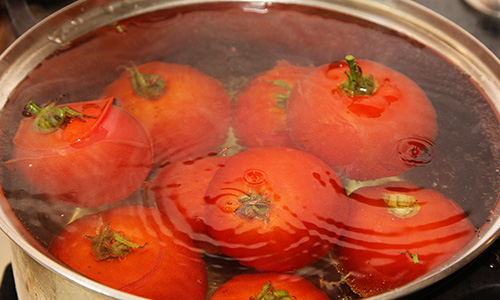
When is blanching used?
Blanch vegetables before freezing or cooking them in order to maintain the intensity of their color and flavor. Blanched fruits and vegetables can be peeled easily, especially those with thin skins, such as tomatoes or peaches. For certain vegetables, such as kale or Brussels sprouts, blanching helps reduce the bitter taste.
Main steps of the blanching technique
Follow the steps below and you will see how simple it is to blanch fruits and vegetables.
Preparing the food
Wash, peel and cut the vegetables or fruits if necessary.
Boiling the water
Fill a pot with water, place it on the stovetop and let it come to a boil. You can add salt for a more intense flavor.
Adding the food
Add the food to the boiling water without overcrowding it to make sure it cooks evenly. Use the table below to determine the optimal boiling time for the food.
Ice bath
Meanwhile, prepare a bowl of ice water. Quickly transfer the food to the ice bath to stop the cooking process.
Draining and drying
After a few minutes in the ice bath, use a colander to drain the food well and transfer it to a dry surface.
Recommended blanching times
While blanching spinach takes only a few seconds, other vegetables such as cauliflower or carrots need a few minutes. Use the table below as a guide, but keep in mind that blanching time may vary slightly depending on the freshness or size of the ingredients.
| Ingredient | Blanching time |
|---|---|
| Green beans | 3 minutes |
| Broccoli | 2-3 minutes |
| Cauliflower | 3 minutes |
| Carrots (sliced) | 2-3 minutes |
| Peas | 1-2 minutes |
| Asparagus | 2-4 minutes |
| Spinach | 2 minutes |
| Tomatoes (for peeling) | 30 seconds |
| Potatoes (diced) | 3-5 minutes |
| Bell peppers | 3 minutes |
| Zucchini | 1-2 minutes |
| Corn kernels | 4 minutes |
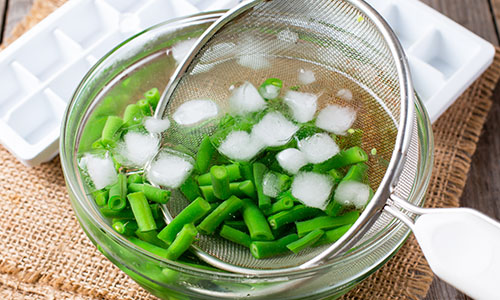
Tools and utensils needed for blanching
One advantage of this technique is that it does not require any special equipment. You probably already have all the necessary tools in your kitchen:
- A large pot for boiling water – you can see our selection of pots and saucepans here.
- A steamer basket (if you opt for steam blanching) – you can find it in the collection of cookware accessories.
- Colander - for quickly draining blanched food after boiling or after the ice bath.
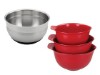
- Large bowl for the ice bath – you can find a variety of glass and ceramic bowls here.
- Timer - for monitoring the times.
Benefits of blanching food
Here are a few reasons why it is worth blanching food:
- Preserves the intense color of vegetables by inactivating the enzymes responsible for fading pigments. Rapid exposure to heat enhances the natural shades of green, orange or yellow, making the food simply more appetizing.
- Slightly softens food, making it more enjoyable to eat. This tender yet firm texture is ideal for vegetables that will be used in stir-fry recipes or salads.
- Improves nutrient retention: the enzymes we have mentioned repeatedly break down vitamins and minerals over time. Blanching stops this enzymatic activity, reducing the loss of nutrients such as vitamins C and B.
- Helps preserve food: blanching is an essential step in preparing vegetables for freezing. The process inactivates enzymes that would otherwise cause the food to spoil, lose its color or lose its flavor over time. After thawing, the food remains more crisp. For example, blanching mushrooms is essential for them to be frozen.
In conclusion, blanching is a simple but extraordinarily useful technique, even for the home cook. If you want to preserve intense colors, enjoy the nutrients in your food or prepare vegetables for freezing, make blanching a habit in your kitchen.
Other recommended products:
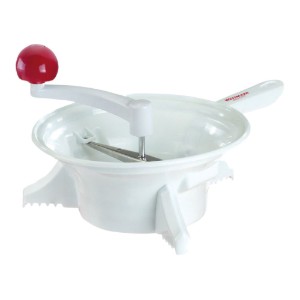
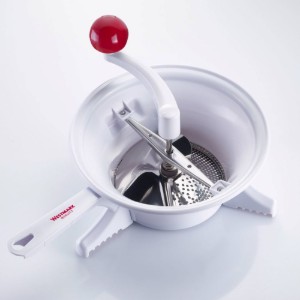
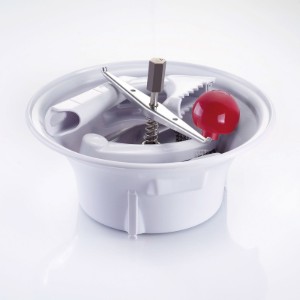

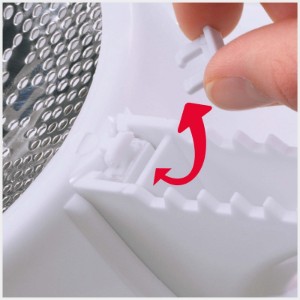
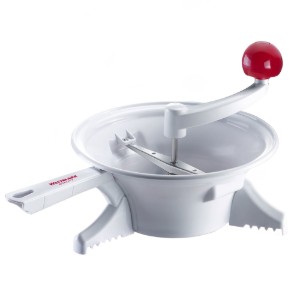
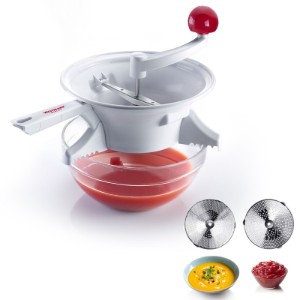
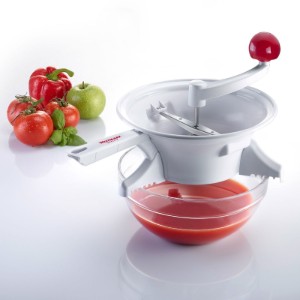
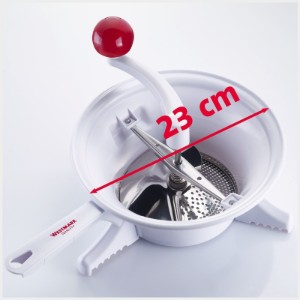
Device for mashing vegetables and fruit, 23 cm - Westmark
Code: 11962260
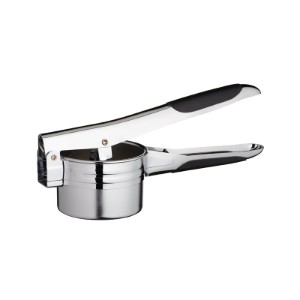
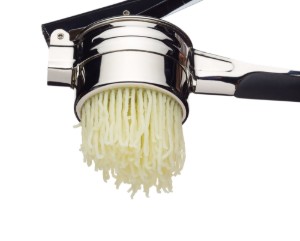
Vegetable and fruit masher, chrome-plated metal - Kitchen Craft
Code: KCRICERCP
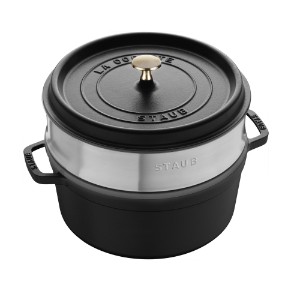
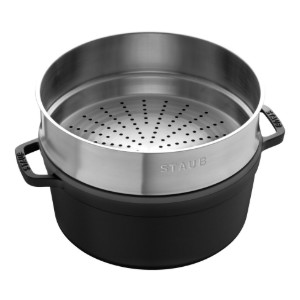
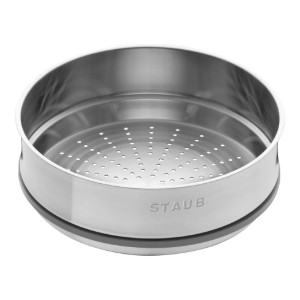
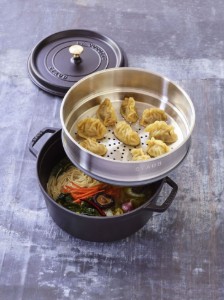
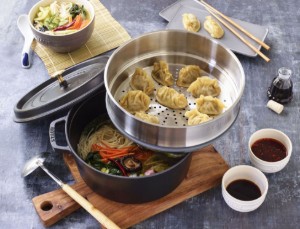
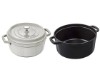
Cast iron Cocotte cooking pot, with steam cooking accessory, 26 cm/5.2L, Black - Staub
Code: 1133825
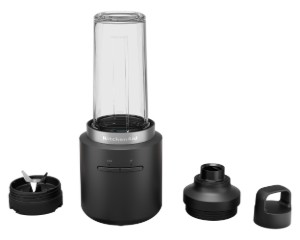
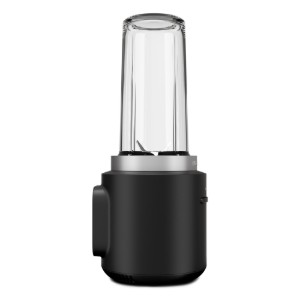
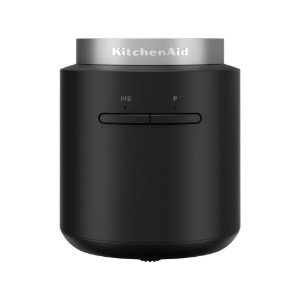
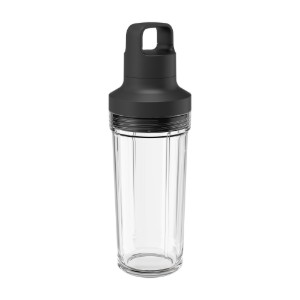
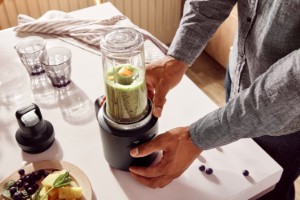
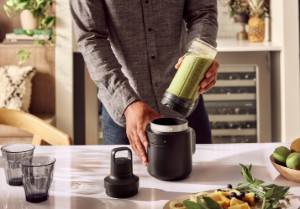
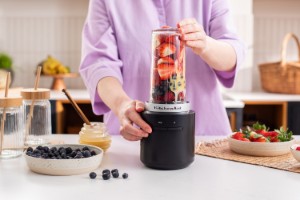
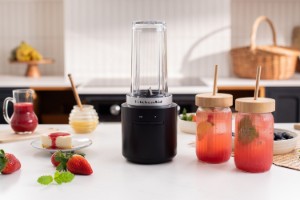
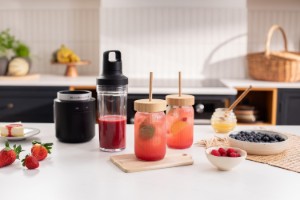
Blender "Go Cordless", without battery, 0.47L, Matte Black - KitchenAid
Code: 5KSBR200BM
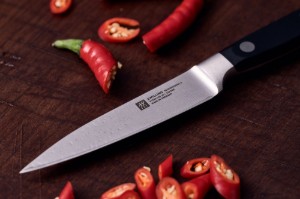
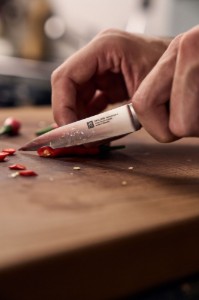
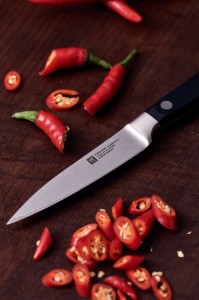
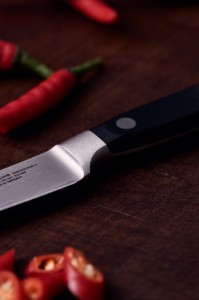
Knife for vegetables and fruits, 10 cm, <<Professional S>> - Zwilling
Code: 31020101
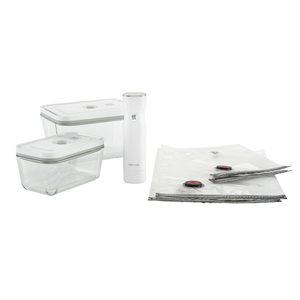
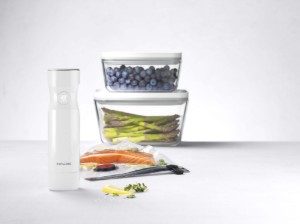
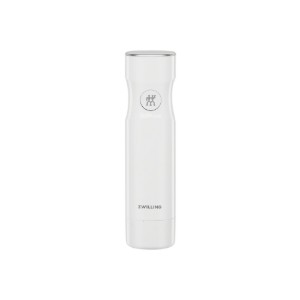
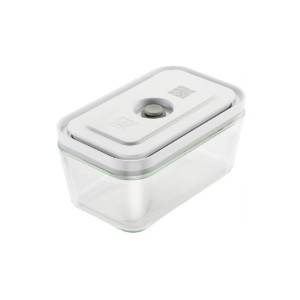
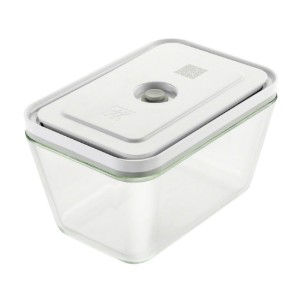
7-piece vacuum seal set "FRESH & SAVE" - Zwilling
Code: 36806007