



























































When you are a novice in the world of cooking pots and pans, thermal cooking techniques and the secrets of combining spices, culinary art can seem difficult. Do you feel overwhelmed or intimidated? You shouldn't; cooking is like any other activity: the more you practice, the better you will become.
Build your foundation and expand your culinary repertoire by experimenting with the dishes and recipes that interest you. You can always access a YouTube video or an online cooking course.
For those who want to make their work in the kitchen easier, we have gathered some rules and tricks from the great culinary schools.
The most important rules in the kitchen
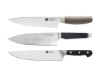
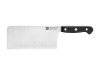
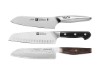
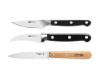
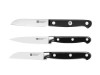
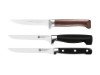
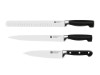
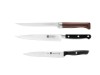
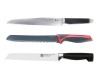
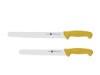
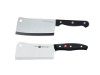
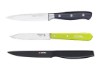
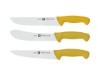
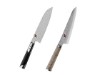
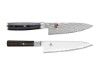
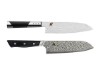
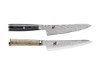
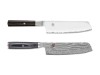
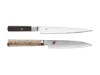
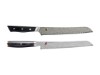
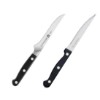
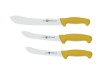
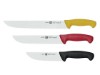
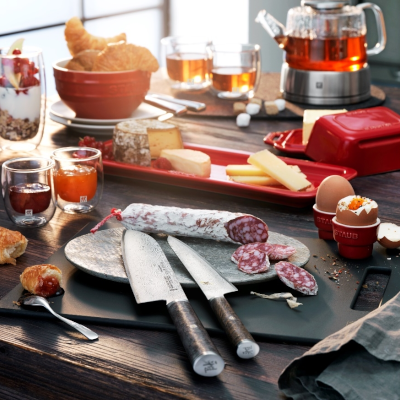
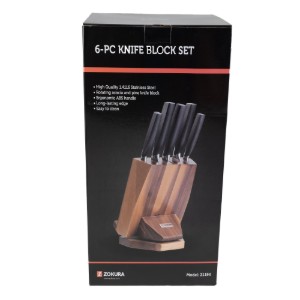
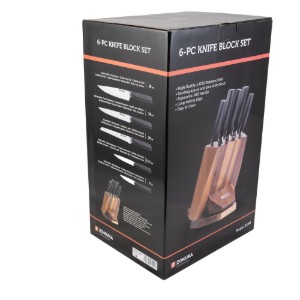
1. The chef's knife - the importance of keeping knives sharp in the kitchen
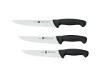
The first thing a novice cook learns is how to cut ingredients correctly. If your vegetables are cut randomly, they will not look great. In addition, if they are different sizes, each piece will also taste slightly different after cooking.
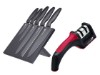
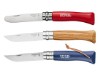
Besides common techniques such as dicing and slicing, cooks also learn other methods, such as julienne, chiffonade, brunoise, roll-cuts, batonnet, paysanne and tournée. On this occasion you will realize that you cannot do any of these without a sharp knife. A dull knife is a dangerous knife.
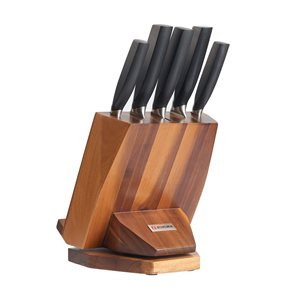
Thus, it is important to have a proper knife in every respect - see the article "How do we keep kitchen knives?".
2. Practice... patience - not everything can be done in 5 minutes
Soups are essential dishes in any kitchen. Hence the most important kitchen rule - patience.
Think about how that simple soup needs to be prepared over low heat for hours, how you have to make sure it does not boil and remove excess foam or fat. Most recipes require patience and attention. This requires a certain level of concentration from every cook, and such details matter enormously.
3. Cut vegetables correctly - if they are cut smaller, they are juicier
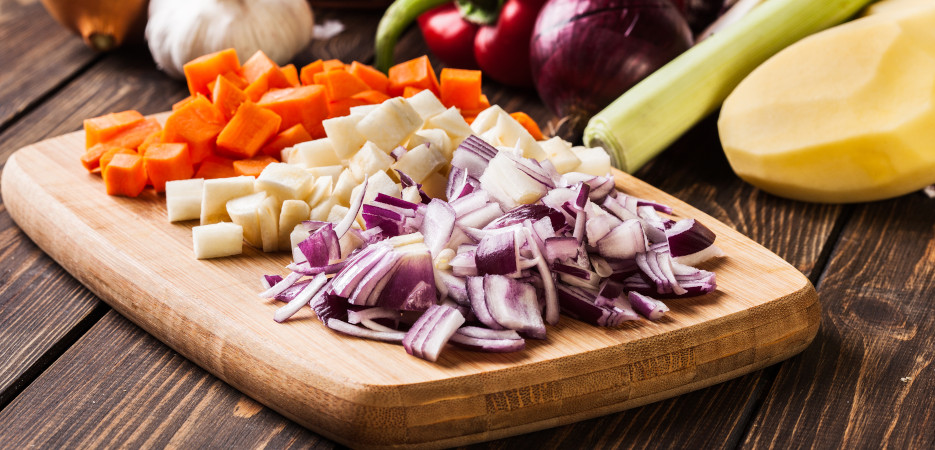
Let's return to cutting vegetables 😊. Perhaps you have seen, or even tasted, those appetizing dishes prepared by great chefs. Besides looking impressive, their flavor is not easily matched. Here is one of the secrets:
- vegetables cut into smaller pieces cook faster than vegetables cut into larger pieces and transfer more aroma and flavor to the dish.
- vegetables cut diagonally will be al dente at the thicker end and softer at the thinner end.
Combining them can result in a dish with different, more enjoyable textures. Some vegetables require a longer cooking time, while others are ready in 2 minutes. Here you will have to experiment and choose what you like. 😊
4. Learn to cook in small spaces
An important lesson in culinary school is the ability to manage in extremely small spaces. This can also be applied to your kitchen, but you can improve things in favor of ergonomics. Give yourself enough space on the worktop by moving aside what you are not using - appliances, bottles, flower vases, etc.
An organized kitchen is one in which you will cook more easily, more quickly, and with less hassle.
5. Clean everything you dirty, immediately
You have heard this before, but a clean space is a space where you can work more easily. Wipe the worktop after you have processed each ingredient. Put plates, pans and utensils in the sink or dishwasher immediately after using them.
It is not only about hygiene, but also about the fact that you do not want to combine multiple flavors. The taste will be altered; even if there are not many leftovers on the worktop, a little juice or salt is enough to upset the balance.
And wash your hands often! (this is about hygiene 😊)
6. Find out what an ingredient can (and cannot) do
A representative example is butter. As you know, it is delicious, and it is very frequently used in French culinary schools. But butter cannot withstand high temperatures, so it is not advisable to use it indiscriminately. Oils are not all created equal either.
Neutral oils, such as canola oil, which do not add flavor, are perfect for dishes that require high temperatures. They can withstand high temperatures without smoking.
Flavored oils - such as high-quality olive oil, avocado oil and pumpkin seed oil - are less suitable for high temperatures and are better used in salads or for finishing dishes after they are cooked.
7. Never throw away leftovers - reuse everything
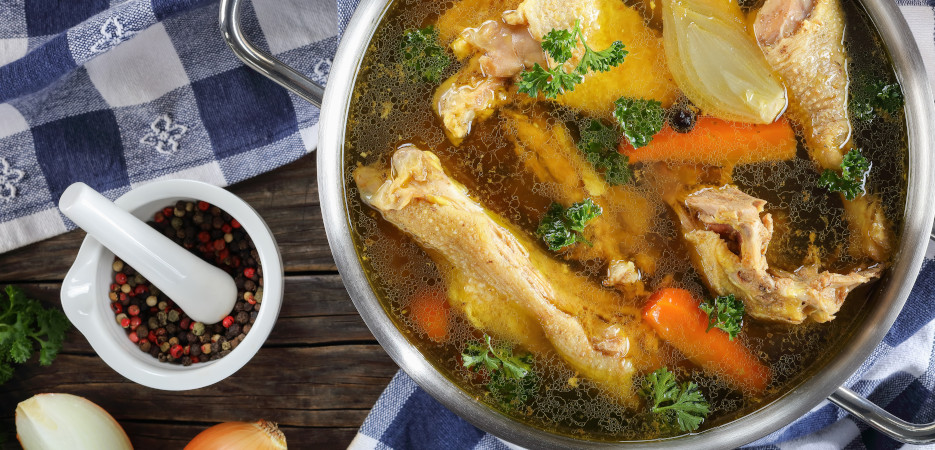
When it comes to preparing soup, bones and vegetables are the gold of the kitchen. You can make chicken soup with just chicken bones, beef soup with beef bones, fish soup with fish bones and scraps, and so on. Not only is it more economical, but it is often even tastier and you reduce food waste.
8. When in doubt, add salt!
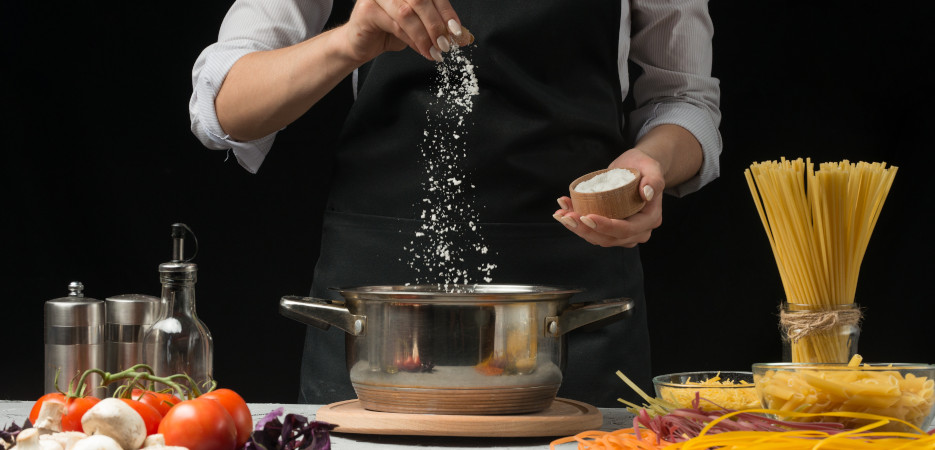
You know you like salt, but have you ever wondered why? Salt can bring out flavors. To truly maximize all the flavors in a recipe, season with a little salt every time you add a new ingredient.
This does not mean that you need to add an excessive amount of salt, which is not exactly healthy in large quantities, just a little at a time. 😊
9. What if you added too much salt?
If a dish tastes too rich or you find it too heavy, a splash of lemon juice or a splash of vinegar can liven it up. Acid also cuts through the intensity of salt, so if you accidentally oversalted the dish, you can save it by adding a little lemon juice.
10. Avoid buying pre-marinated meat from grocery stores and butcher shops
It is usually older meat that is approaching its expiration date. It is "saved" with a marinade to cover this up.
Learn how to make a good marinade and prepare your own fresh meat from trusted sources.
11. Cooking for several people? Don't overcomplicate it
The best thing you can do is keep everything simple. If you plan to organize a family dinner, do not cook several dishes. Instead, focus on making one thing and make it great.
If it takes a while, include some delicious snacks that invite quality conversation.
12. Keep a towel nearby
Towels are a must in culinary schools. Students always have one tied around their waist. Keep one near the stove to prevent burns and save time.
Again, much of cooking is about organization, order and hygiene, and a towel is an essential part of this philosophy.
13 culinary tricks “stolen” from culinary schools
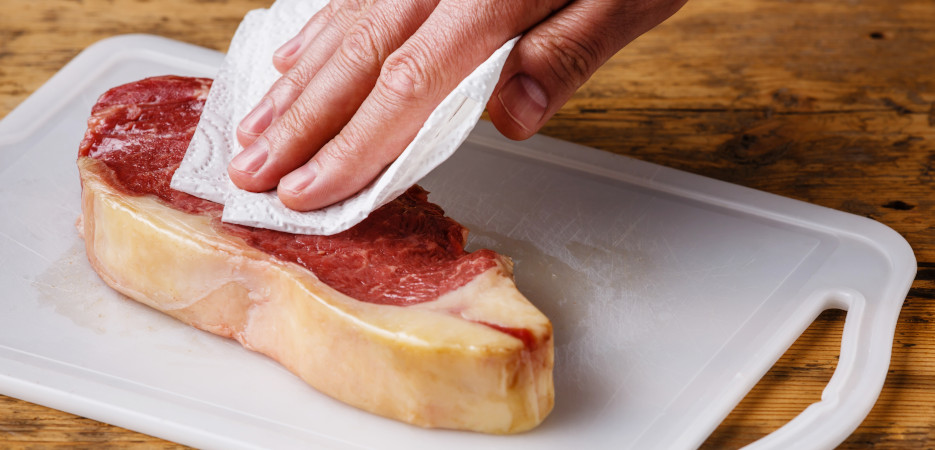
1. Dry the meat completely before cooking it
In fact, you should dry meat and fish with paper towels before cooking them, regardless of the situation. To become crispy, you need to get rid of as much moisture as possible - moisture and steam kill any chance of getting crispy, browned meat.
This will also prevent the meat from sticking to the pan while it cooks.
2. To have juicy meat, marinate it!
Have you ever wondered why pork chops and chicken are much juicier when you get them at a restaurant? Because they are almost always marinated.
Marinating meat makes it juicy and full of flavor, especially when the meat is cooked slowly.
3. Be patient, again! 😊
Patience is the secret ingredient for a perfect steak. Keep the heat high, turn the meat once and do not poke it again. When it is ready, it will release on its own - there is no need to scrape it with a spatula.
If you do not already have a good pan, in our article "The truth about pans - what materials to choose for cooking" you can find tips on how to choose the perfect pan.
4. Let it rest a little before cutting it
Letting the meat "rest" after it has been cooked allows the juices in the steak to redistribute, so that you do not lose juiciness and flavor when you cut it.
5.Pasta should be added to the pan where the sauce was prepared
Cook the pasta until it is almost done, then transfer it to the pan. This way, the pasta will absorb the flavor and become better coated with sauce.
6. For a glossier sauce, add a little (cold) butter
Have you ever wondered how restaurants manage to get sauces that are so glossy and rich? That's because many chefs finish them with a few slices of cold butter before serving them.
Next time you prepare a sauce, try adding a few pieces of cold butter at the end.
7. Add baking soda to tomato sauce
When you add baking soda to tomato sauce, it neutralizes the acid in the tomatoes. This way, the tomatoes will taste less acidic - good news if your tomatoes turned out to be more sour than you expected.
8. For a stronger flavor, toast the nuts and spices
Toasting nuts and spices brings out their flavors. In the case of spices, you can quickly toast them in a pan over low heat or sauté them in hot oil.
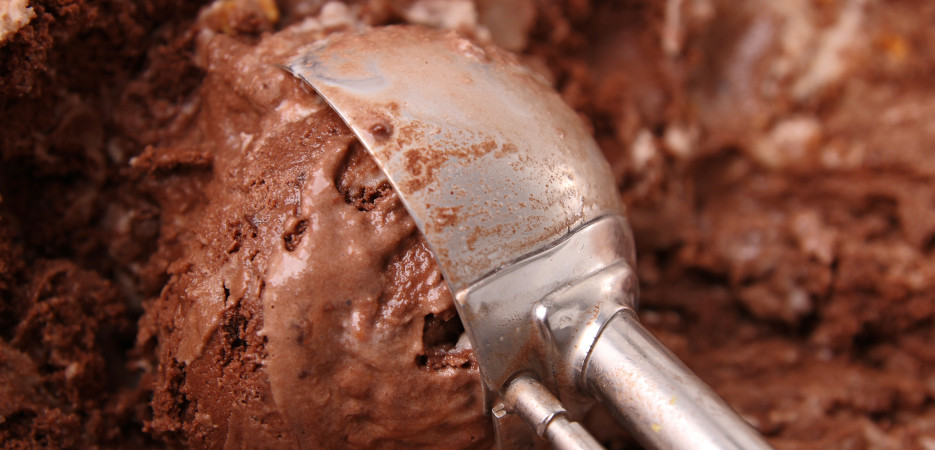
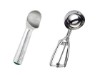
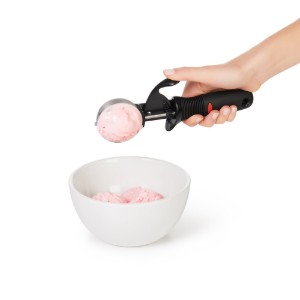
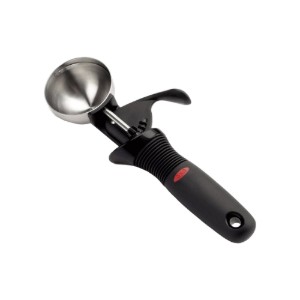
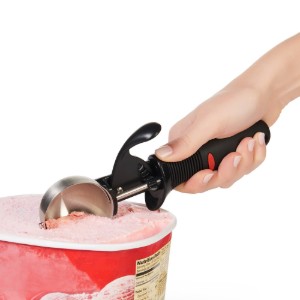
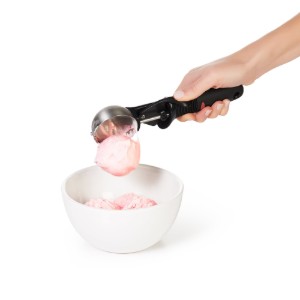
9. Use an ice cream scoop to get the perfect portion of cookie dough
This way, every cookie is the same size, which means they will bake evenly. You can also use an ice cream scoop to divide the batter evenly in a muffin tin.
10. Cut your favorite dessert with a warm knife
Fill a tall container with warm water, deep enough to cover the knife blade. Insert the knife into the container, being careful with your hand. Then wipe it with a clean towel before each cut.
Try to press down on each slice rather than "cutting" back and forth. Constant dipping and cleaning will prevent pieces from the previous slice from building up on top of the next slice.
11. Buy a kitchen thermometer
Following the recipe also means controlling the indicated temperatures. For example, your oven temperature might not be what is shown on the display - what you think is 200 degrees could actually be below 200, and what you are cooking will take longer than you think.
Another issue is also determined by the size of the piece of meat, and this can also change the cooking time. Invest in a good kitchen thermometer, and cooking will become much easier!
The experience of a gastronomy course is much more valuable, of course, but we hope that the tips above will help you cook better, more healthily and more easily.
No cook has all the answers. People cook in different ways, with different techniques and different tastes, and they all create amazing dishes.
All that matters is that you want to become better and better and that you remain open to new cooking techniques.
Learn from experiments, read, watch videos and inform yourself. Ask chefs for advice. In short, whenever you come across something you like, find out how it is cooked and improve your methods!
Enjoy! 😊
Other recommended products:

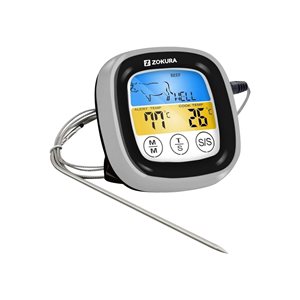


Digital meat thermometer, with touch screen - Zokura
Code: Z1241
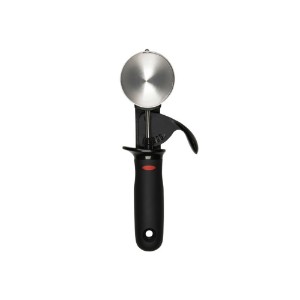
Ice cream scoop, stainless steel, 20.3 cm, "SoftWorks" - OXO
Code: 1069879

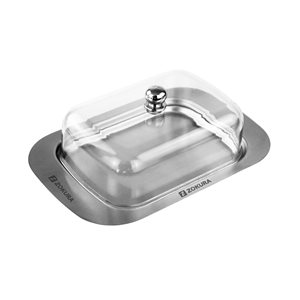
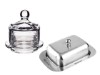
Butter dish, stainless steel, with lid made of PVC - Zokura
Code: Z1167