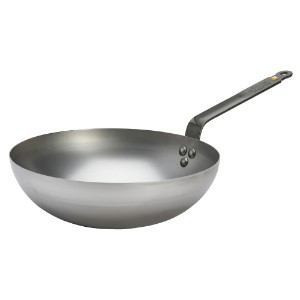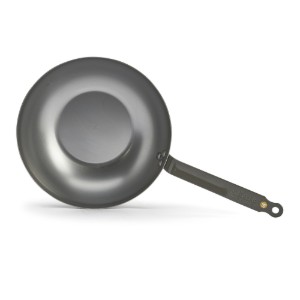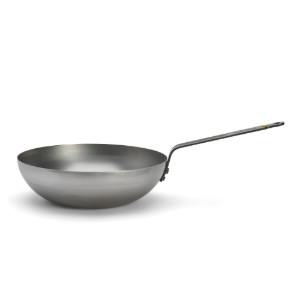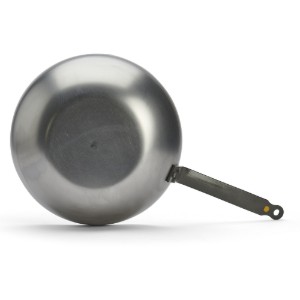

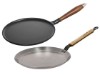
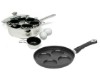
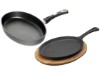
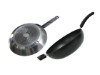









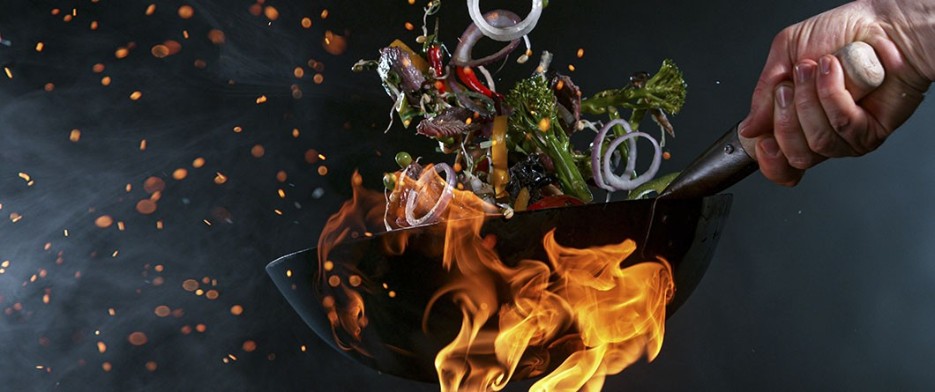
The wok pan has become a reliable ally in modern kitchens thanks to its versatility and efficiency. From authentic Asian recipes to quick and healthy dishes, this type of pan helps us cook with ease and flavor.
To achieve the best results, it is essential to use the best wok pan, adapted to our needs and the type of hob being used.
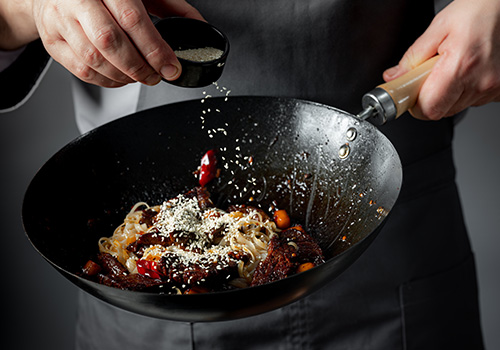
What is a wok pan and why is it special?
The wok pan originated in Asian cuisine and has been used for centuries to prepare quick meals at high temperatures.
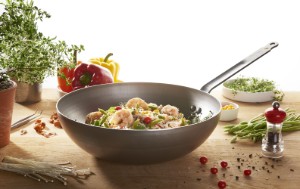
It has a distinctive shape, with either a round or flat bottom and high sides, which allow the ingredients to be stirred continuously without spilling them. This design promotes even heat distribution, while cooking with a minimal amount of oil preserves the texture and flavor of the food. Its versatility makes it ideal for frying, sautéing, steaming, or even smoking food.
The reasons why the wok pan is the best
A wok pan is not only a symbol of Asian cuisine but also an extremely practical cooking tool suitable for a wide variety of dishes. Thanks to its deep shape, which helps distribute heat evenly, the wok is ideal for many culinary situations. Here are some of them:
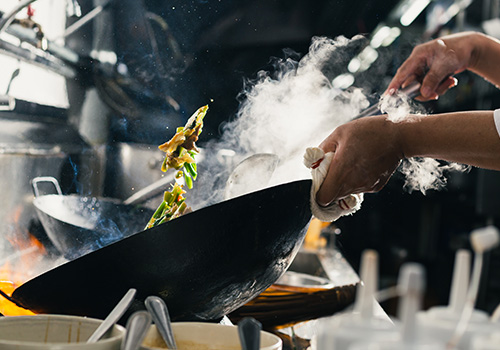
1. Fast cooking at high temperatures
One of the most common situations in which using a wok is recommended is when we need to cook quickly without compromising flavor or texture. High temperatures, combined with constant stirring, keep vegetables crisp and meat tender. With a wok pan, this process becomes more efficient, preventing ingredients from sticking and ensuring even cooking.
2. Frying with a small amount of oil
The wok’s deep shape allows food to be deep-fried while using less oil. For example, we can fry spring rolls, tofu, or shrimp without needing a deep fryer. The wok pan is made from materials that maintain a constant temperature, which means less oil absorption and healthier food.
3. Steaming or braising
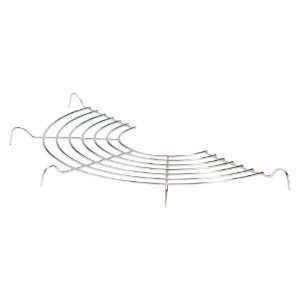
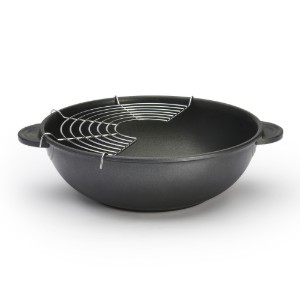
The wok is not limited to frying. With the help of a bamboo or metal rack, we can turn it into an ideal steamer for Asian dumplings or vegetables. It can also be used for braising dishes with sauce that require a combination of gentle simmering and light stirring.
4. Preparing meals for several people
Thanks to its generous size, the wok is perfect for cooking large portions. We can prepare Asian noodles, fried rice, or flavorful stews for the entire family.
5. When you want to preserve nutrients
The short cooking time and limited exposure to intense heat help preserve the vitamins and minerals found in vegetables and meat. This is another reason why many nutritionists recommend using a wok as part of a healthy diet.
Of course, the best results are achieved when we use the best wok pan, featuring a high-quality non-stick coating or made from carbon steel, which does not interfere with the taste of the food.
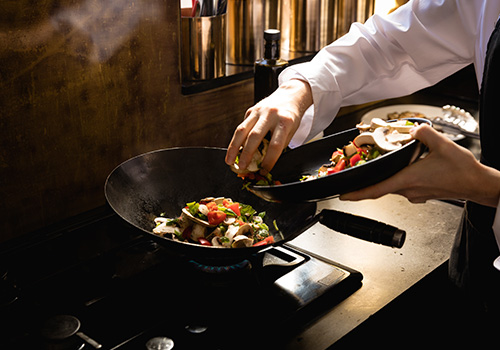
How to use a wok pan correctly (step by step)
Although it may seem like a simple cooking tool, the wok has its own "ritual" of use. If we follow a few essential steps, we will be able to cook like a true Asian chef, whether we are preparing crisp vegetables, juicy meat, or a delicious serving of noodles.
Moreover, using a wok pan correctly extends its lifespan and guarantees excellent results.
1. Preheating the pan - an essential step
Before adding any ingredients, the wok must be properly preheated. This step prevents food from sticking and allows for fast and even cooking. Place the pan over high heat and let it heat up for 1-2 minutes.
A wok pan quickly reaches the optimal temperature and maintains consistent heat without fluctuations.
2. Adding the oil and infusing flavor
Once the wok is hot, add a small amount of oil with a high smoke point, such as peanut, sunflower, or sesame oil. Swirl the pan so the oil coats the entire surface. Now we can add aromatic ingredients such as garlic, ginger, or spring onions to infuse the oil and create a flavorful base.
3. Cooking in stages - order matters
To achieve the perfect texture, the ingredients must be added in a specific order. In general, we begin with the meat or proteins (tofu, shrimp, etc.), followed by the vegetables that require a longer cooking time (carrots, bell peppers), then softer vegetables (cabbage, spinach), and finally the sauces or seasonings. This way, each ingredient is cooked properly without burning or becoming too soft.
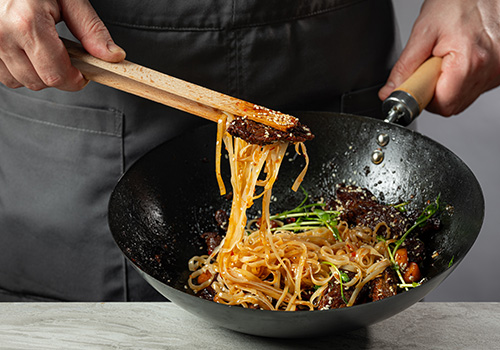
4. The stir-fry technique - constant movement
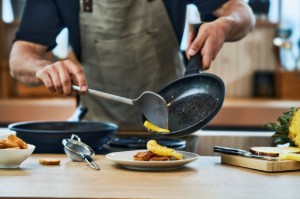
One of the basic principles of using a wok is continuous movement. We use a wooden, silicone, or stainless-steel spatula to stir the ingredients quickly, lifting and turning them in the wok. This technique ensures even cooking and prevents the food from burning.
5. Avoid overcrowding the pan
Although it is tempting to cook everything at once, it is important not to overcrowd the wok with all the ingredients. Too many ingredients will lower the overall temperature and cause the food to boil rather than fry. If we have many ingredients, we cook them in batches.
This way, with a little practice, we can turn any recipe into an authentic Asian delight.
6. Proper cleaning after each use
Once we have finished cooking, let the pan cool down, then wash it with warm water and, if necessary, a soft sponge. Dry it immediately to prevent rusting.
Common mistakes to avoid when using a wok pan
Although the wok pan is an extremely versatile and efficient cooking tool, using it incorrectly can compromise the final result of your dishes. That is why it is important to know the most common mistakes so they can be avoided. This way, we can fully benefit from everything the best wok pan has to offer.
1. Cooking at too low a temperature
The wok was designed for high temperatures. If we cook over low heat, the ingredients will become soft and lose their distinctive flavor. In addition, we will not achieve the desired caramelization, which is essential for an authentic Asian taste.
Tip: Preheat the pan and use high heat. The best wok pan will withstand high temperatures without becoming damaged or releasing toxic substances, especially if it is made from premium materials such as carbon steel or cast iron.
2. Using the wrong utensils
Many people use metal utensils that can scratch the surface of the pan, especially if it has a non-stick coating. Over time, this can damage the pan and cause it to lose its non-stick properties.
Recommendation: Use wooden, bamboo, or silicone utensils.
3. Adding oil to the cold pan
This is a common mistake in the kitchen. If we pour oil into a cold wok and heat it together with the pan, the oil may burn before the pan becomes hot enough. In addition, the flavor and texture of the food will suffer.
The correct method is to heat the pan first and then add the oil.
4. Incorrect use of the type of wok depending on the hob
Not all woks are compatible with every type of cooktop. For example, a round-bottom wok will not work properly on an induction cooktop without a special adapter. Choosing the wrong wok can lead to uneven heating or even damage the cooktop.
That is why the best wok pan is the one that perfectly matches the heat source - whether we have a gas, electric, or induction cooktop. We should choose flat-bottom models made from magnetic materials for induction or traditional woks for flame cooking.
Therefore, using a wok pan is not difficult, but it does require a few basic skills.
Types of wok pans - Advantages and disadvantages
When we cook with pleasure and dedication, we want our cookware to meet our expectations. The wok pan is one of those essential kitchen tools that inspires us to experiment with cooking and recipes influenced by Asian cuisine.
Although it may seem like a simple pan, the wok comes in several versions, each with its own characteristics, advantages, and a few disadvantages, depending on how we use it.
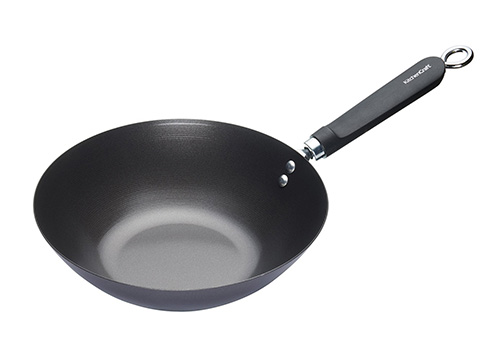
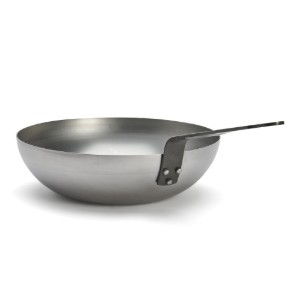
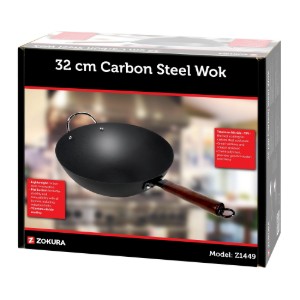
1. Carbon steel wok - for intense and fast cooking
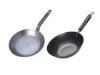
This is the most traditional type of wok and is extremely popular in authentic Asian kitchens. We cook with it over the highest possible flame, using quick movements, just as we see street-food chefs do in Thailand or China. However, to benefit from the true potential of carbon steel, it must be properly seasoned.
Advantages:
- Responds quickly to heat, making it ideal for stir-frying;
- Naturally becomes non-stick over time if maintained correctly;
- Very lightweight.
Disadvantages:
- Requires initial seasoning over a strong flame until it turns completely black;
- Must be coated with oil and maintained regularly, otherwise it will rust;
- Household kitchen burners rarely reach the intensity needed for this type of wok to perform at its best.
We cook with it when we want an authentic flavor, but we must accept the maintenance ritual as part of the culinary experience.
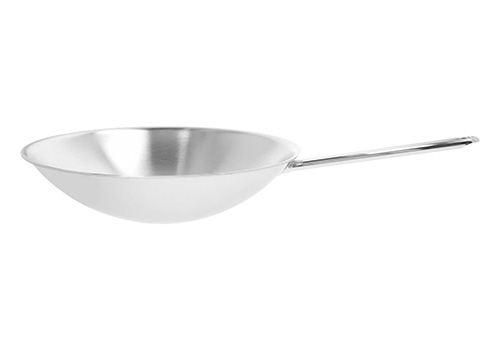
Stainless steel wok - for precision and elegance
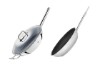
The stainless steel wok is a modern, attractive, and durable choice. However, it requires a special technique: the pan must be heated thoroughly, then a small amount of cold oil is added and discarded (creating a protective film). Only then do we add the ingredients and the cooking oil.
Advantages:
- Very durable and scratch-resistant;
- Does not retain flavors or odors;
- Easy to clean and dishwasher-safe.
Disadvantages:
- If the correct technique is not followed, food will stick;
- Does not heat up as quickly as carbon steel;
- Heavier in weight.
This type of wok is perfect for those who want control and refinement in the kitchen, but special attention must be paid to the essential cooking steps.
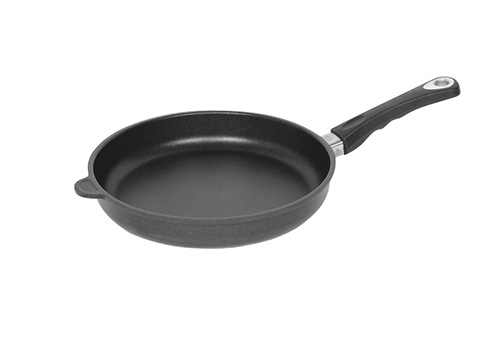
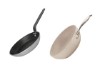
3. Wok with non-stick coating (Teflon or ceramic)
This is the ideal choice when we want a wok pan that is easy to use without the stress of maintenance. It requires gentle cooking over medium heat to protect the non-stick coating.
Advantages:
- Ideal for beginners - food does not stick;
- Easy to clean and requires no special techniques;
- Suitable for healthy cooking with little oil.
Disadvantages:
- Cannot withstand very high temperatures;
- The non-stick coating may wear out over time;
- Not suitable for intense cooking or flambéing.
It is perfect for quick and easy everyday cooking but should be handled with care.
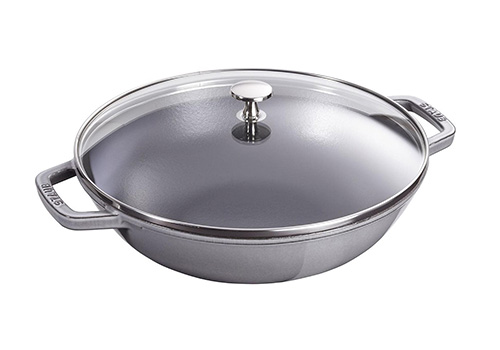
4. Cast iron woks - flavorful recipes infused with rich aromas
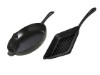
This type of wok is ideal for slow-cooked, flavorful dishes. Cast iron retains heat exceptionally well, but it also requires maintenance - it must be coated with oil after every use.
Advantages:
- Distributes and retains heat extremely well;
- Ideal for slow cooking or dishes with plenty of liquid;
- Can also be used in the oven.
Disadvantages:
- Heavy and difficult to handle;
- Requires constant maintenance to prevent rust;
- Takes longer to heat up.
It is our favorite wok when we want to prepare something special and take our time doing it.
Regardless of the model we choose, the wok remains a reliable ally in the kitchen. The secret lies in knowing how to use it, how to maintain it, and, above all, how to enjoy every recipe prepared with it.
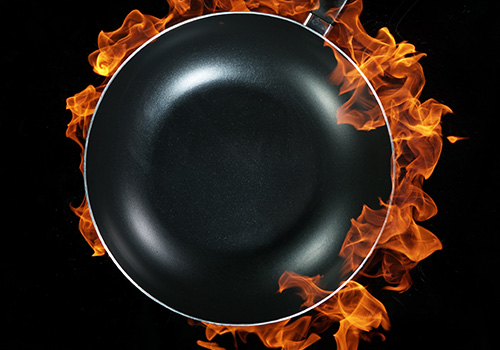
How to choose the best wok pan for your needs
Choosing the right wok pan can make the difference between a successful cooking experience and a frustrating one. There are several essential criteria to consider in order to identify the best wok pan for your cooking style.
First and foremost, the material matters enormously. Carbon steel woks are preferred by professionals because they heat up quickly and evenly, but they require regular maintenance. Cast iron retains heat for a long time, making it excellent for slow-cooked dishes, while non-stick models are ideal for beginners thanks to their ease of use and cleaning.
Size is also important. For a family of three to four people, a 30-35 cm (12-14 inch) wok pan is ideal. We should also make sure that the wok is compatible with our type of cooktop, whether it is induction, gas, or electric.
Last but not least, ease of use is important. The wok pan should have secure handles, balanced weight, and good stability.
In conclusion, if we invest in a high-quality wok pan, we will enjoy spectacular cooking results. With the best wok pan, cooking becomes a daily pleasure, and every recipe is sure to impress!
Other recommended products:
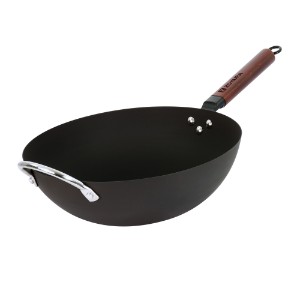
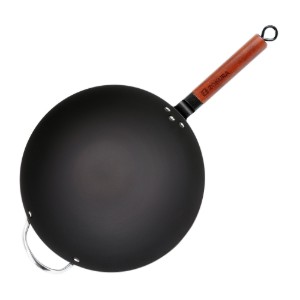
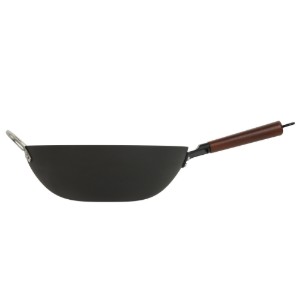
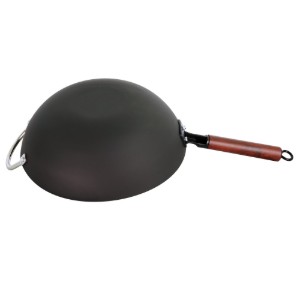
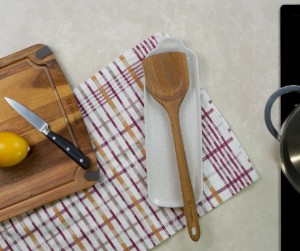
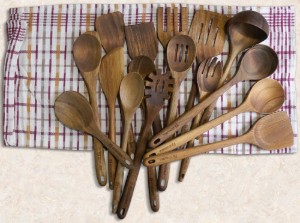
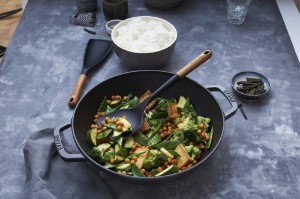
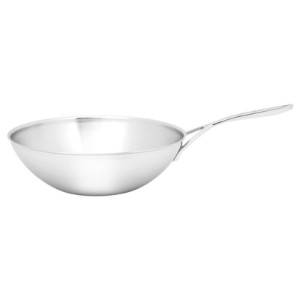

Wok pan, stainless steel, 30 cm, "5-Plus" - Demeyere
Code: 18930
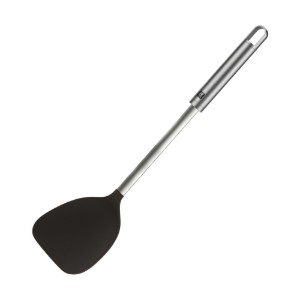
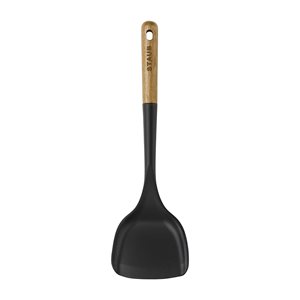
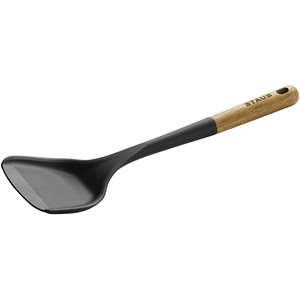
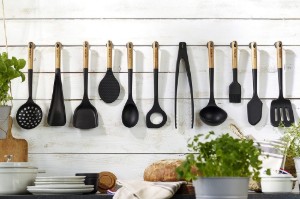
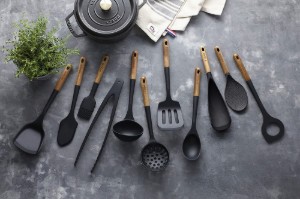
Silicone spatula for wok, 37.2 cm, <<ZWILLING Pro>> - Zwilling
Code: 37160013