
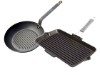
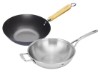
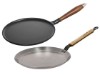
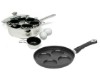
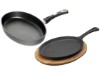
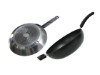
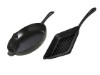
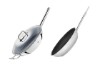
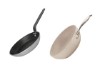
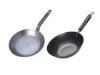
















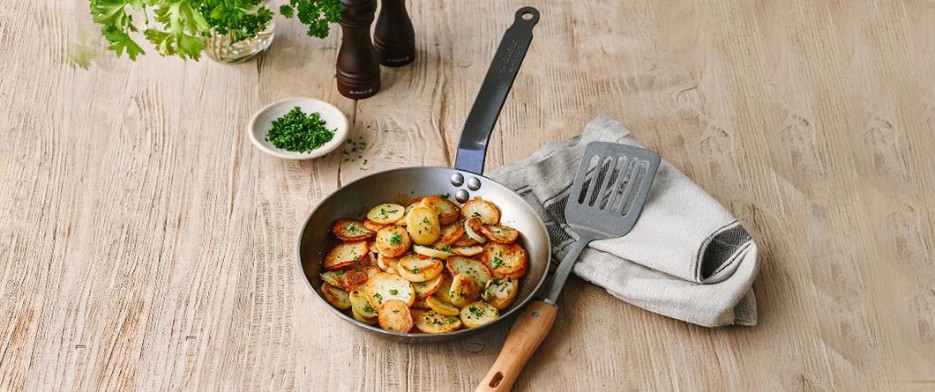
It turns black. It can get scratched. It doesn't tolerate lemons. It's quite a strange list of features for a frying pan, isn't it? That is, until you realize what you get in return: perfectly crispy meat and potatoes, suitability for high temperatures, a naturally non-stick surface, and a frying pan that gets better and better with each use.
Welcome to the world of carbon steel
The CARBONE PLUS de Buyer frying pan is made of carbon steel, a plain, robust material that has been used for generations in professional kitchens.
It has no synthetic non-stick coating that can deteriorate over time. Instead, it gradually develops its own natural non-stick surface. In short: the more you cook in it, the better it cooks.
But a carbon steel frying pan comes with its own story. How do you burn off a thin layer of oil on the metal’s surface? Does food really not stick to it? Can it rust? Does it work on an induction cooktop? Why does it turn black? The answers are very simple, so let’s take them one by one.
What is carbon steel?
Carbon steel is mainly composed of iron and a small amount of carbon. It does not require a synthetic non-stick coating to cook well. It is a material appreciated for three important aspects:
- withstands high temperatures.
- It develops a natural non-stick film over time.
- It is highly durable.
These are also the reasons why steel frying pans have such a long history in professional kitchens and French gastronomy. And de Buyer knows a thing or two about tradition: the French company has been producing cookware for over 200 years.
Why choose the CARBONE PLUS frying pan?
1. It creates an excellent crust.
A perfect beef steak. Golden, crispy potatoes. Caramelised vegetables. Carbon steel reaches the high temperatures required for the Maillard reaction – the process that takes place at temperatures of approximately 140°C to 164°C and creates the appetising crust and distinctive flavours of pan-fried food.
Very important: Heat the frying pan well before adding foods. When you place the meat in the hot frying pan, the surface starts to brown quickly, and that’s the only way to get the desired colour, crust and flavour.
2. It does not have a non-stick coating, but creates a natural one.
It seems like a paradox, but this is one of the most interesting things about carbon steel. CARBONE PLUS does not come with a synthetic non-stick coating.
Instead, through heating oil and lubricate the frying pan and repeated use, a natural film gradually forms on the surface of the frying pan that prevents food from sticking to it.
At first, you will use a little more fat. After the frying pan is well treated with heated oil, you will be able to cook with very little oil or butter and you will be able to switch without problems from steak and potatoes to eggs, pancakes or other more delicate dishes.
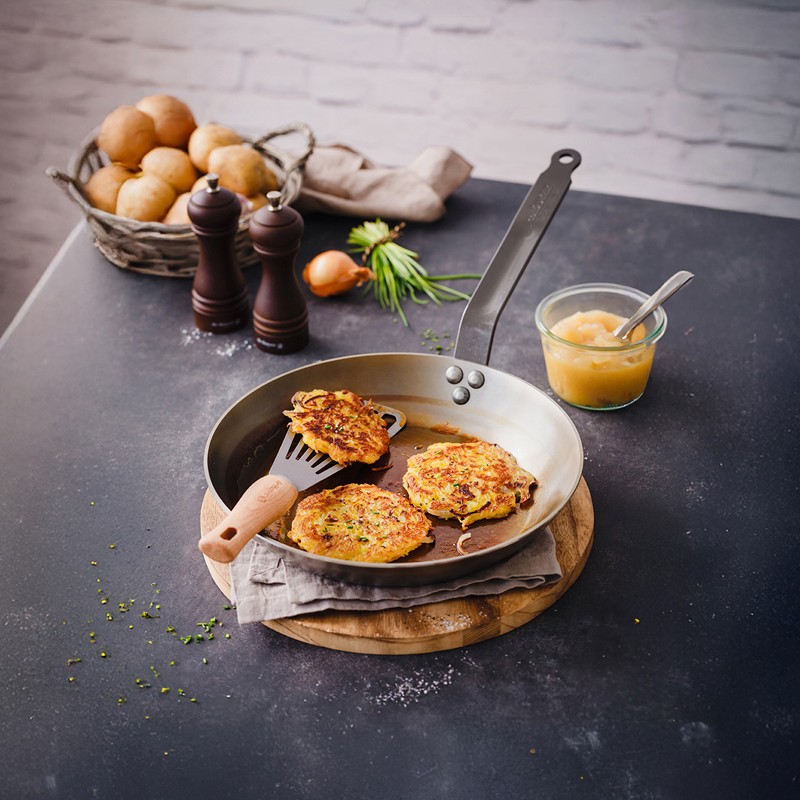
How to lubricate the frying pan with heated oil before first use
Seasoning is the process by which heated oil forms a durable protective film on the surface of the steel. Before first use, follow these steps:
- 1. Wash the inside and outside of the frying pan with warm water and a little mild detergent. Rinse and dry thoroughly.
- 2. Add a few tablespoons of oil. Choose an oil with a high smoke point: sunflower, rapeseed, avocado, peanut or grape seed oil.
- 3. Heat the oil until it begins to smoke.
- 4. Turn off the heat and let the frying pan cool.
- 5. Discard the oil and wipe the pan thoroughly with paper towels.
- 6. Heat the frying pan again for about 2 minutes, without oil.
Do not be scared: this is not a ritual you have to repeat after every cooking. The frying pan continues this lubricating process by itself as you cook in it.
Myth or truth?
Let’s sort out the big dilemmas surrounding carbon steel frying pans, together.
❌ MYTH: "Food sticks to the frying pan."
✅ TRUTH: A well lubricated frying pan becomes naturally non-stick. For the first few uses, use a little oil and let the gfrying pan heat up before adding food. And there's another important secret: don't rush to turn the food over. Let it brown. Once the crust has formed, it will come off much easier.
❌ MYTH: "If it gets black, it means it is dirty or faulty."
✅ TRUTH: It's great when the frying pan turns black. When new, the frying pan has the look of steel. Used and lubricated with oil, it begins to darken. This patina is a sign that the frying pan is evolving.
❌ MYTH: "Carbon steel rusts, so it's not practical."
✅ TRUTH: It can rust if it stays wet. But there's a simple way to protect your steel frying pan. After washing, dry it thoroughly and store it in a dry place. If you know you won't be using it for a long time or store it in a damp space, apply a very fine coat of oil.
What if a little rust still appears? It does not mean that the frying pan is compromised. The area can be cleaned with a brush or abrasive sponge, then the pan is maintained as usual.❌ MYTH: "It doesn't work on induction."
✅ TRUTH: Carbon steel is rich in iron and is suitable for induction. However, there are some important rules. Use moderate temperature, avoid the Boost function and do not heat the empty frying pan too aggressively. Carbon steel reacts quickly to heat, and excessive and sudden heating should be avoided.
❌ MYTH: "The process of lubricating with oil is complicated."
✅ TRUTH: The first lubricating ith oil process takes a few minutes. After that, you simply cook in the frying pan. A useful trick is to fry dishes that contain more fat, such as red meat, during the first few cooking rounds. With each use, the patina continues to form.
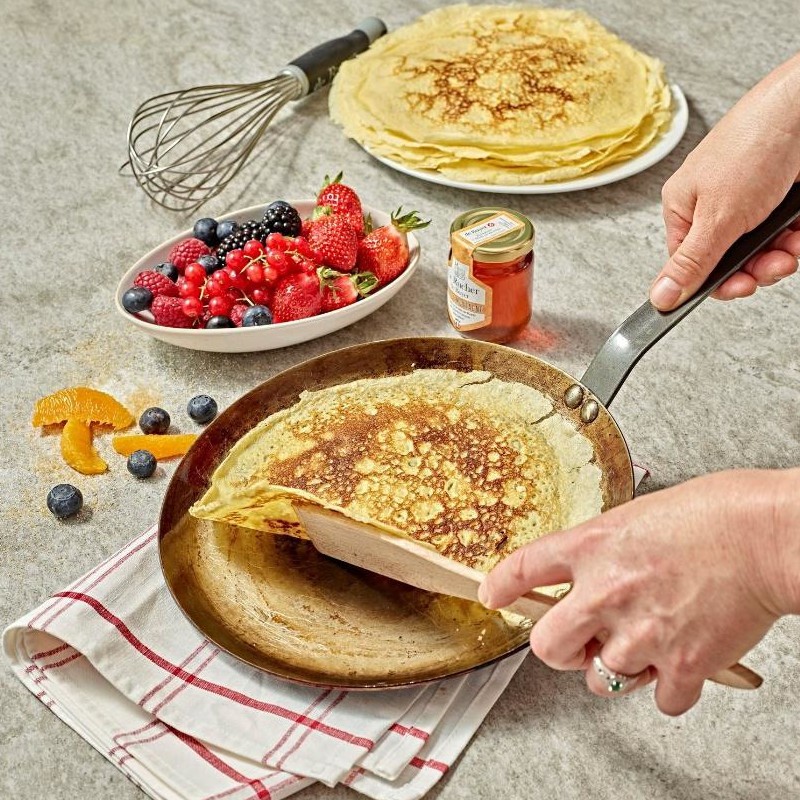
What can you cook in the carbon steel frying pan?
- Steak, chicken breast and other types of meat.
- French fries, country-style potatoes, etc.
- Eggs, after the frying pan is well lubricated with oil.
- Pancakes.
- Bacon.
- Sautéed or caramelized vegetables.
- Stir-fry.
What should you NOT cook in the steel frying pan?
Avoid acidic dishes. Tomatoes, tomato sauce, lemon or white wine can affect the patina created by the lubricating with oil process. For acidic sauces, dishes that need to be cooked slowly in liquid or certain very delicate foods, a stainless steel frying pan or a non-stick frying pan (you can also find information on this subject in the article "Non-stick frying pans in the kitchen: advantages of the Buyer CHOC range" - link at the end of this article) may be more suitable.
How to cook an excellent steak in the carbon steel frying pan
The French chef - Michel Roth - awarded with MOF Cuisine and Bocuse d'Or, recommends some simple rules.
1. Do not put cold meat directly into the frying pan.
Leave meat for about 15-30 minutes at room temperature before cooking.
2. Heat the frying pan well.
If you use oil, it should be well heated. If you use butter, it should start foaming. Ideally, you should start with oil, as butter can burn and become bitter.
3. High temperature at first.
Brown the meat on both sides at high temperature. Then reduce the heat and continue until it reaches the desired degree of doneness.
4. Add butter at the end.
You can add a little butter for flavor, along with garlic or rosemary.
5. Let the steak rest.
After cooking, do not cut the steak immediately. Set it aside for a few minutes so that the juices redistribute into meat.
6. Don't throw away the bits left at the bottom of the frying pan.
The small caramelized pieces left over after browning the meat are full of flavor. Take meat out of the frying pan, then deglaze it with a little water, concentrated bone/vegetable soup or sour cream. The caramelized bits will come away and form the basis of a delicious sauce.
How to clean CARBONE PLUS without destroying its patina
After use:
- 1. Do not leave food in the frying pan.
- 2. Put water in the frying pan while it is still warm.
- 3. Clean the remnants with a soft sponge or spatula.
- 4. If needed, you can use a very small amount of mild detergent.
- 5. Rinse the frying pan.
- 6. Dry the frying pan very well.
Never wash the frying pan in dishwasher. Do not leave it to soak or store it wet.
For a deeper clean, de Buyer recommends occasionally heating a little sea salt in the frying pan, about 1 minute and a half over high heat. Salt helps remove remnants and odors.
Other recommended products:
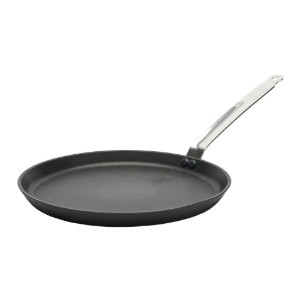
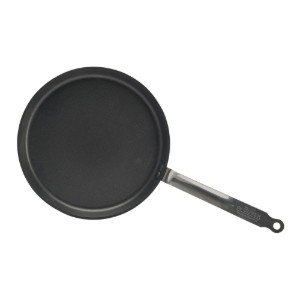
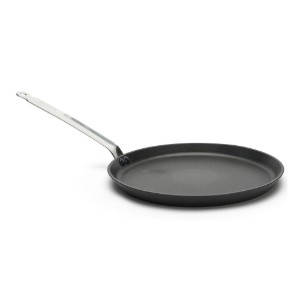
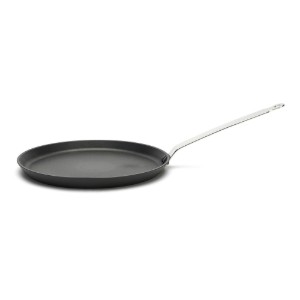
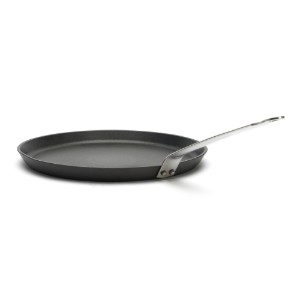
Pancake pan, aluminium, 30 cm, "CHOC Intense" - de Buyer
Code: 876530
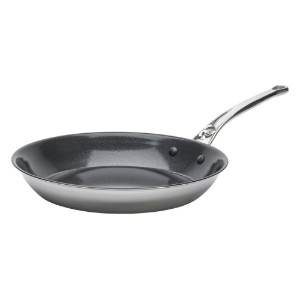
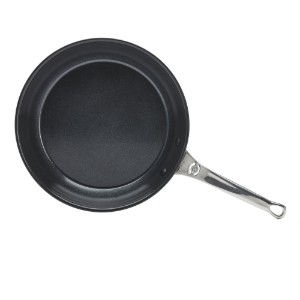
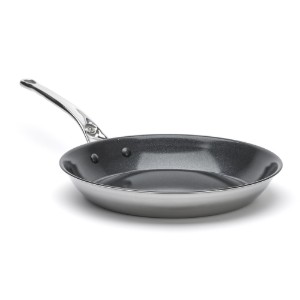
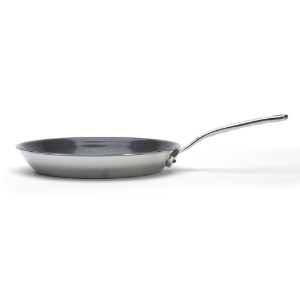
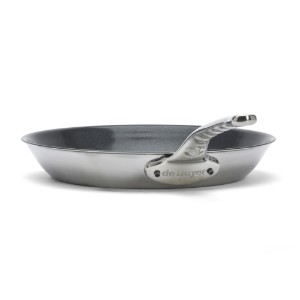
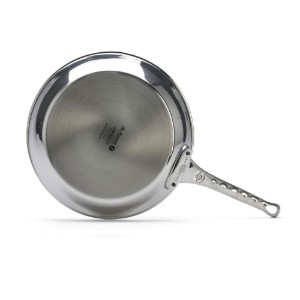
Non-stick frying pan, stainless steel, 28 cm, "Affinity" - de Buyer
Code: 371728
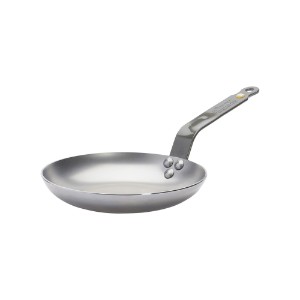
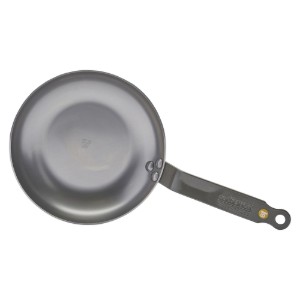
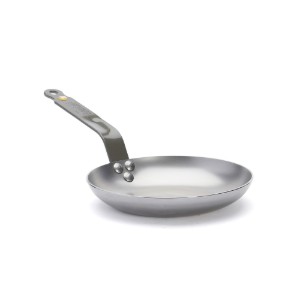
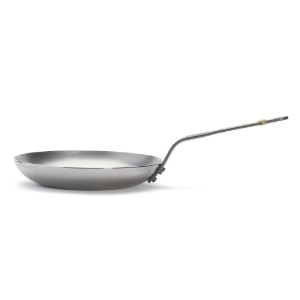
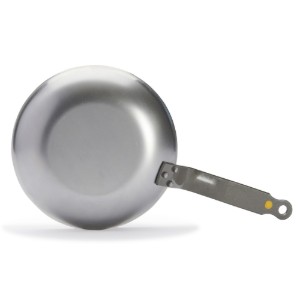
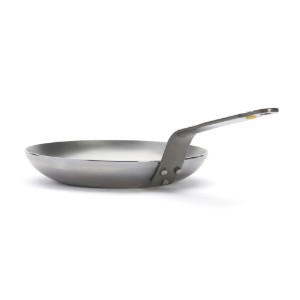
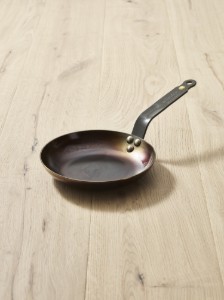
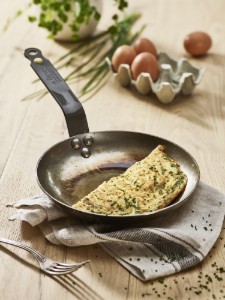
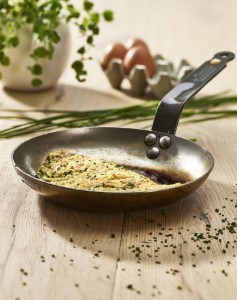
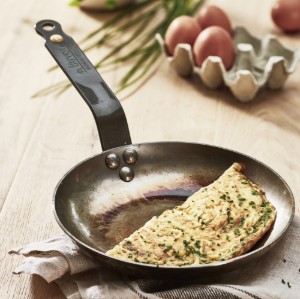
Omelette pan, steel, 20 cm, "Mineral B" - de Buyer
Code: 561120
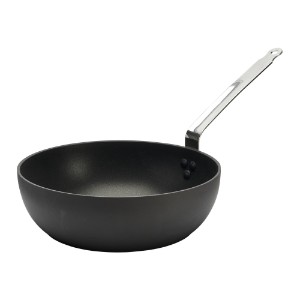
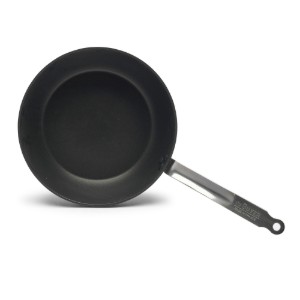
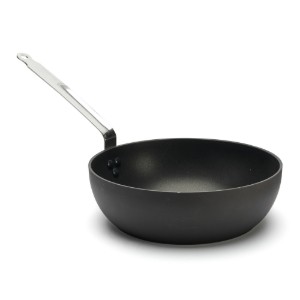
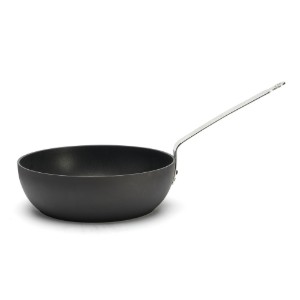
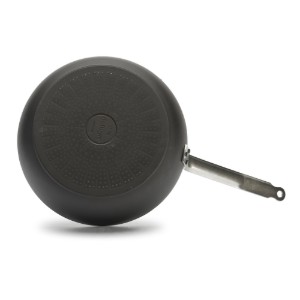
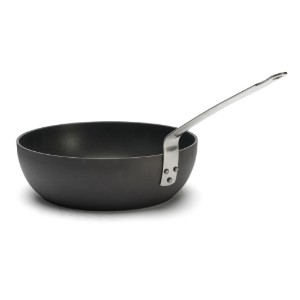
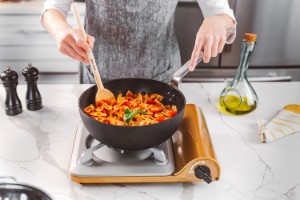
Sauté pan, aluminium, 28 cm, "CHOC Intense" - de Buyer
Code: 876828
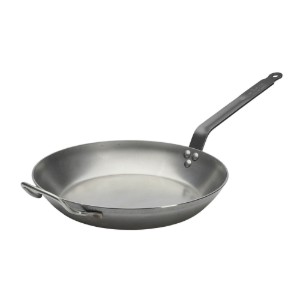
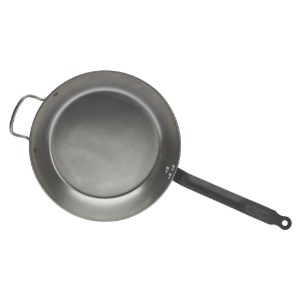
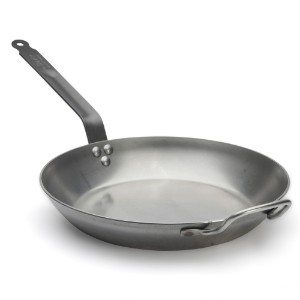
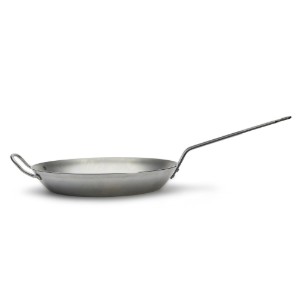
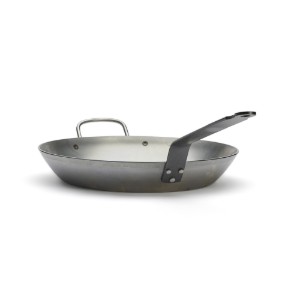
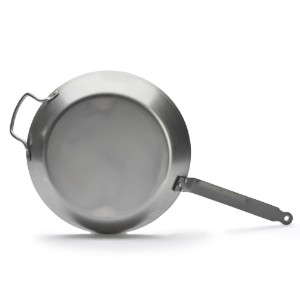
"CARBONE PLUS" frying pan, 32 cm , carbon steel - "de Buyer" brand
Code: 511032
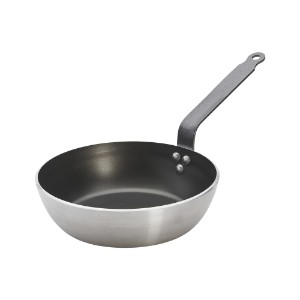
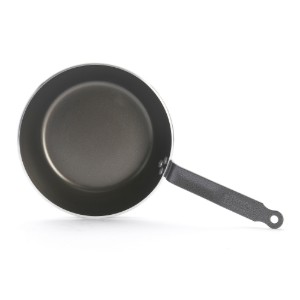
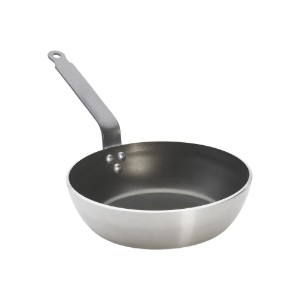
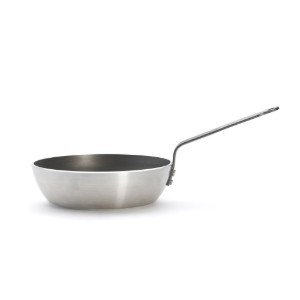
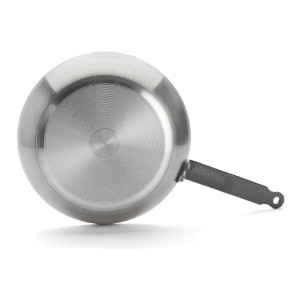
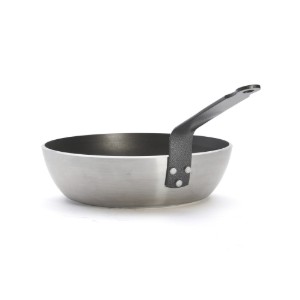
Non-stick saute pan, aluminum, 24 cm, "CHOC Risotto" - de Buyer
Code: 818824
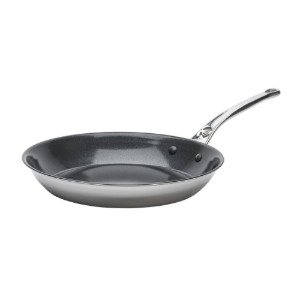
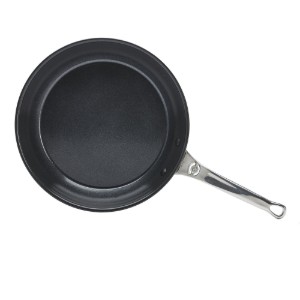
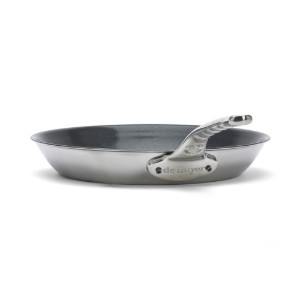
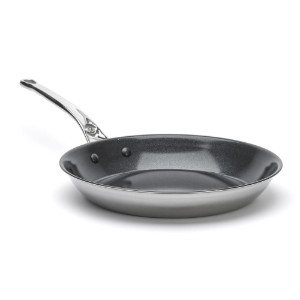
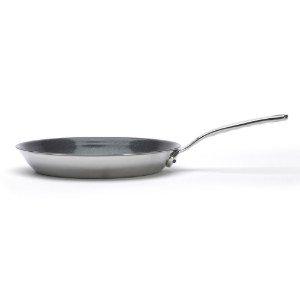
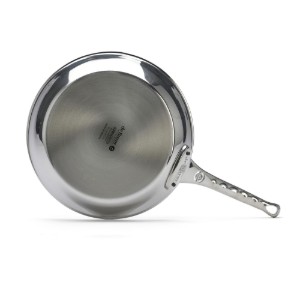
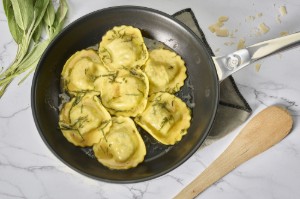
Non-stick frying pan, stainless steel, 24 cm, "Affinity" - de Buyer
Code: 371724
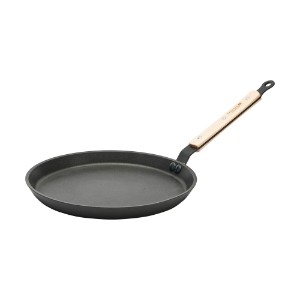
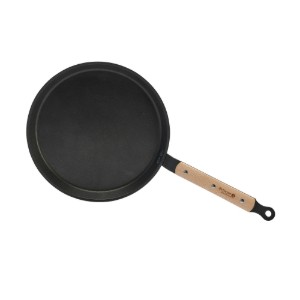
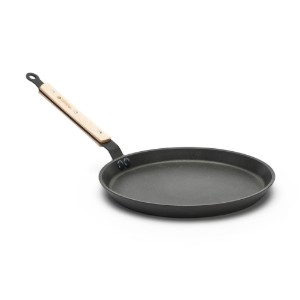
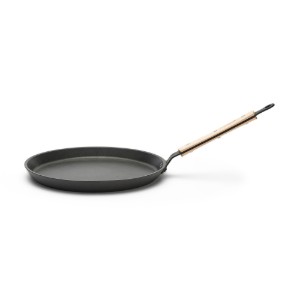
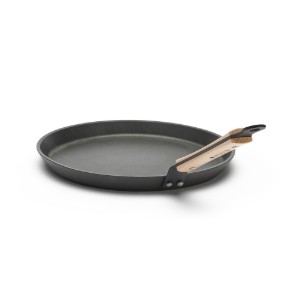
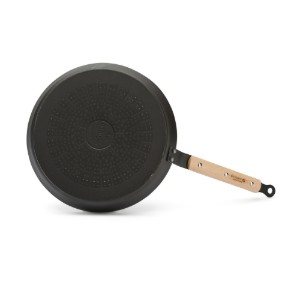
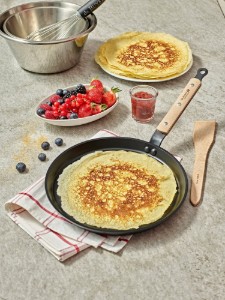






"Choc B Bois" pancake frying pan, 26 cm - "de Buyer" brand
Code: 878526
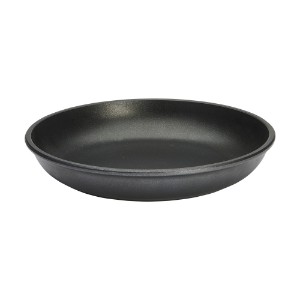
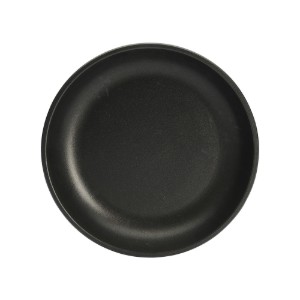
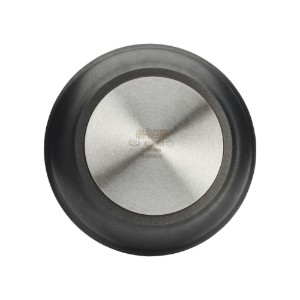
CHOC EXTREME baking mold for Tatin tart, 28 cm, aluminum - "de Buyer" brand
Code: 832028
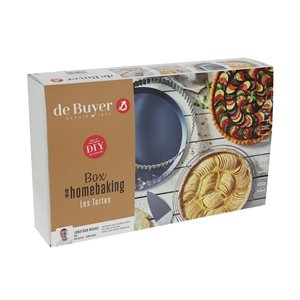

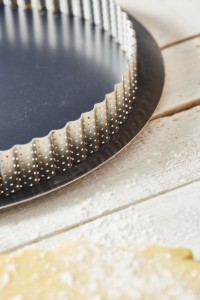
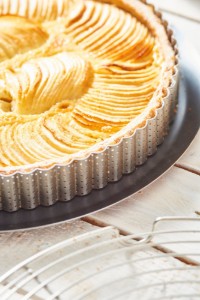
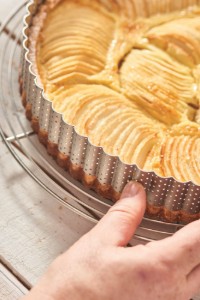

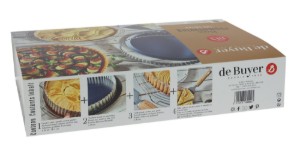
4-piece "Les Tartes" set for tart preparation - "de Buyer" brand
Code: 303000
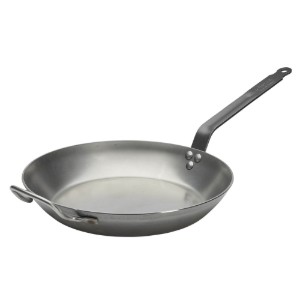
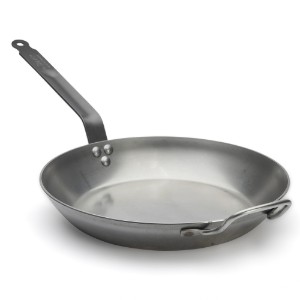
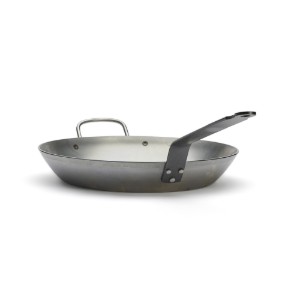
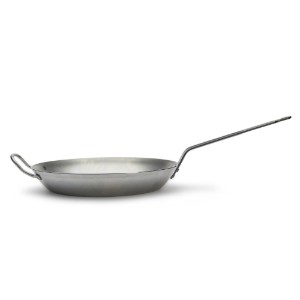
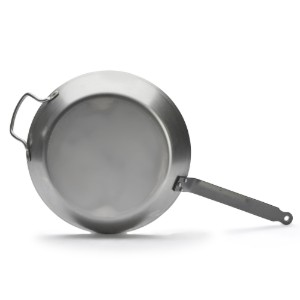
Frying pan, carbon steel, 40 cm, "CARBONE PLUS" - de Buyer
Code: 511040