

























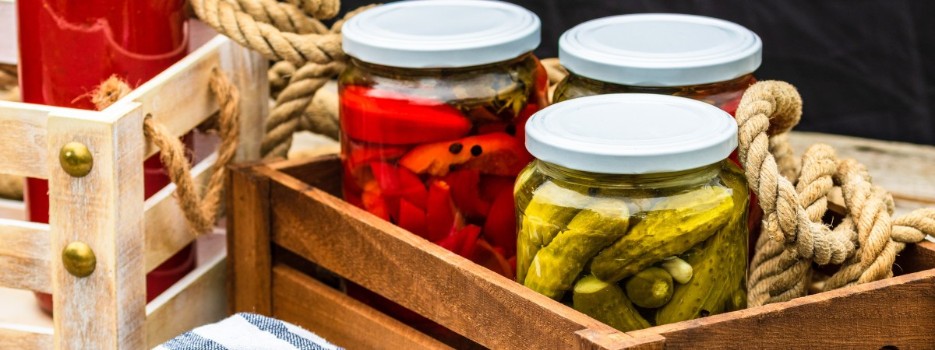
Happy are those who inherited from their grandparents the recipes for pickled cucumbers and green tomatoes, sauerkraut or assorted pickles in a barrel. We can often recognize these lucky ones by the “sour” looks they give the supermarket aisle filled with jars of pickles. 😊
The truth is that anyone, with or without experience or a recipe notebook, can forget about store-bought pickles. It has never been easier to prepare your own crunchy pickled cucumbers or other tangy vegetables in jars. Follow the advice below and you will have the tastiest homemade pickles throughout the cold season!
Why should you pickle vegetables for the winter?
It is inexpensive. If you enjoy pickles or have a larger family, it is more affordable to prepare them yourself than to buy commercially preserved foods all winter.
It is safe. You prepare them yourself, you know what you have put in them, you know the quality of the raw ingredients and you decide how much sugar or which spices provide the flavor.
It is healthy. Store-bought pickles are often pasteurized, a process that leads to the loss of some important probiotic benefits for digestion and intestinal transit.
It is satisfying. For any cook and foodie, it is also a matter of personal joy and pride. In addition, homemade preserves are an increasingly appreciated gift for family and friends.
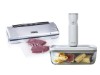
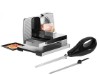
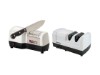
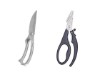
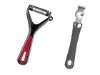
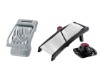
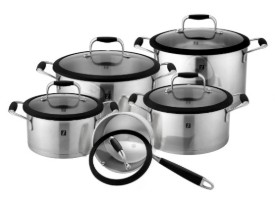
It is easy. More than ever, you have recipes, tricks and secrets at your fingertips, as well as a variety of kitchen appliances and accessories that shorten preparation times or simplify the preparation processes: electric slicers, ergonomic peelers, very spacious pots with a capacity of up to 31L or glass jars of any size, with simple sealing systems.
VINEGAR team versus BRINE team
It is a dispute that sparks heated discussions in the family. Differences in taste and aroma are explained by the acidity of the solutions, the amount of salt, the temperature of the fermentation process or the amount of oxygen in the jars. Even though the taste and ingredients differ, both recipes are excellent for accompanying fatty foods.
Advantages of preserving in brine
- It is a simple mixture of water and salt.
- It is considered healthier than vinegar and an excellent source of natural probiotics.
- It contains no sugar.
- Shorter preparation time than vinegar pickles, because the jars do not need to be boiled after filling.
Advantages of preserving in vinegar:
- The foods are pickled in a shorter time, even within a few days.
- They contain a small amount of salt.
- A very pleasant taste, enjoyed by many people.
Learn interesting facts about the oldest methods of food preservation in the article "The Oldest Methods of Food Preservation".
How do we choose fruits and vegetables for pickling?
Regardless of your preferred fermentation method, there are a few rules that can sweeten even the sourest green tomato or sour even the sweetest watermelon. First of all, choose local fruits and vegetables. Under no circumstances use imported cucumbers with a perfectly uniform shape and smooth skin - they may be covered with a wax coating that will prevent the salt or vinegar from penetrating the vegetable.
Choose ripe fruits and vegetables, but not soft ones; they should preferably have a firm consistency.
Green tomatoes are the only vegetables that are pickled while still green. It is important for fruits and vegetables to be mature and in peak season, when they are richest in vitamins, nutrients and intense flavors. Avoid brown spots and blemishes and remove any parts that are soft, shriveled or show signs of having been nibbled on by tiny hungry insects.
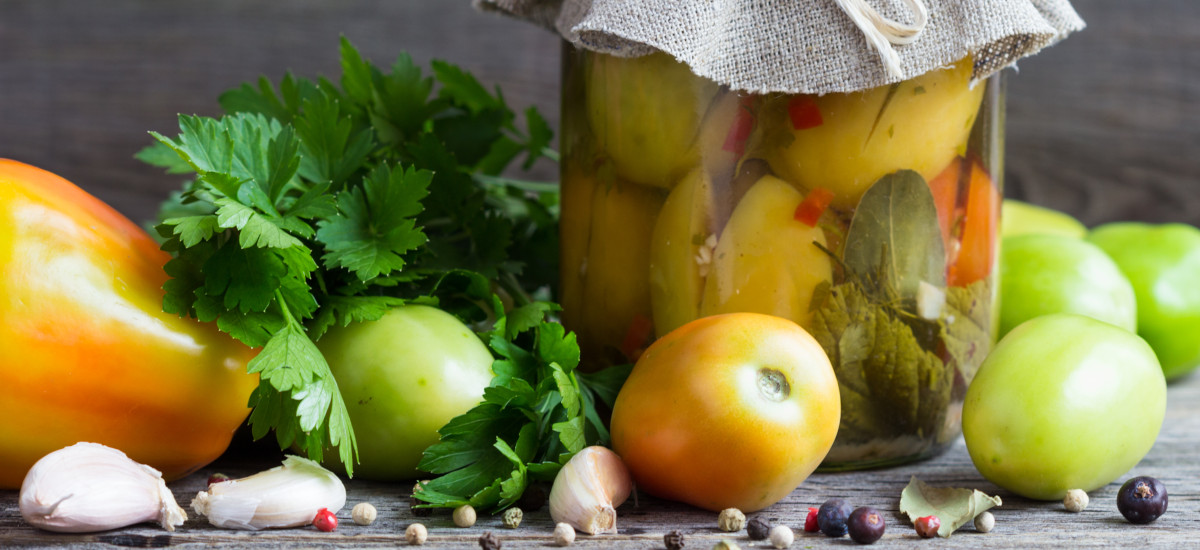
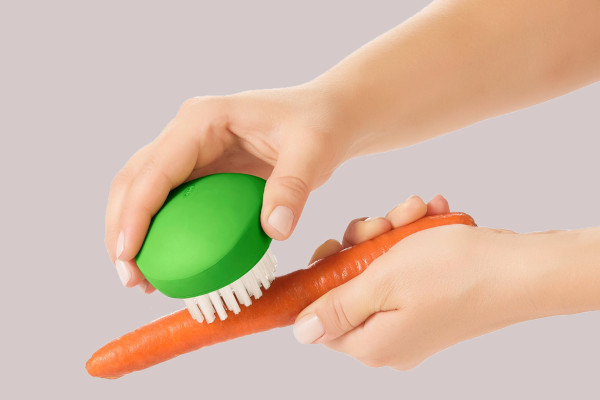
How do we clean fruits and vegetables for pickling?
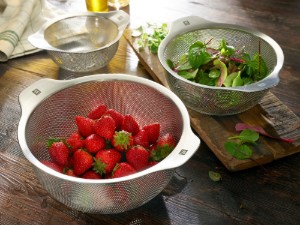
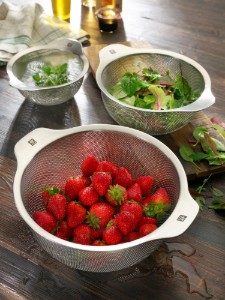
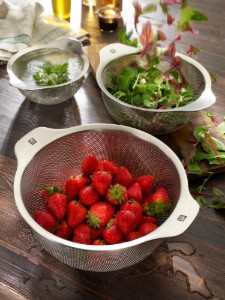
Wash the vegetables individually under cold running water, using a special cleaning brush. This is the most effective and safest way to remove any remaining soil or other impurities that could cause the pickles to spoil.
👍 Tip: when it comes to cucumbers, remove the remaining stem, then cut a very, very thin piece from the blossom end as well. This part of the vegetable contains an enzyme that causes cucumbers to soften during fermentation. And nobody wants soft cucumbers, whether fresh or pickled.
What kind of SALT do we use for pickling?
Some people claim that iodized salt can compromise the wonderful delicacies in jars. This theory may be related to the fact that salt is often treated with anti-caking agents. Their purpose is to prevent salt from forming lumps, but they also have the unfortunate habit of making pickle brine cloudy. Iodine can also affect the appearance of pickled vegetables, making them darker in color.
The simplest solution is to choose a salt specifically intended for pickling. You can easily find it under this name, especially during the preserving season, in late summer and autumn. Ideally, it should be non-iodized, unprocessed and unground, meaning coarse salt. It should look like small crystals of various sizes and shapes, in shades of gray.
What kind of VINEGAR do we use for pickling?
Vinegar with an acetic acid concentration of at least 5%. This value ensures that the vinegar is acidic enough to prevent the development of bacteria and mold in the jars. Of course, some types of vinegar are more suitable for pickling than others.
Balsamic vinegar, the best friend of salads, does not pair particularly well with pickling. However, there are bold recipes in which aceto balsamico is combined with white vinegar for a sweeter and more intense flavor. Suitable for pickled onions or even pickled apples.
If you do not want to complicate things and crave the taste of pickles from days gone by, proceed as you would with salt. Look for vinegar labeled specifically for pickling in stores - it is affordable and does the job successfully.
What kind of WATER do we use for pickling?
Regardless of the subject, somehow we always come back to the same advice: Do not underestimate the importance of water. First of all, do not waste money on bottled water if you have drinking water from the public supply.
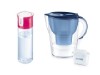
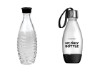
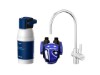
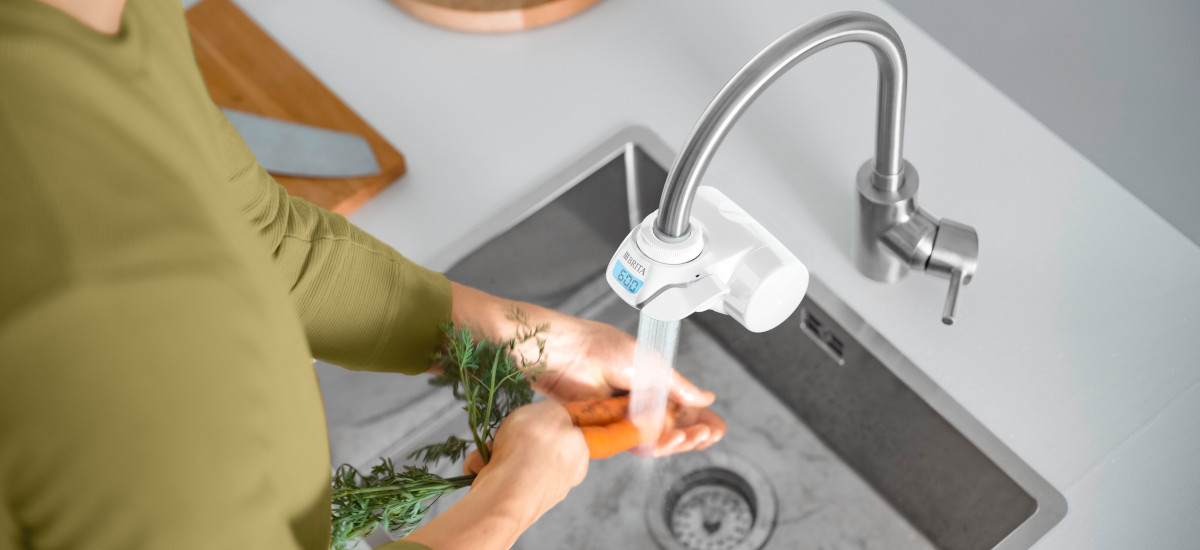
Use a BRITA filter to remove impurities, as well as to reduce the concentration of chlorine and limescale. Hard water, rich in limescale, and water treatment substances affect the appearance and flavor of pickles. You can choose the affordable option of a BRITA water filter jug or opt for a BRITA filtration system with a long service life, which allows you to get filtered water directly from the tap.
What fruits and vegetables can we pickle (or brine)?
Almost anything you can think of. Romanians' favorite pickles include the ever-present cucumbers, sauerkraut, green tomatoes, peppers, cauliflower, kapia peppers, beetroot, watermelon, carrots or the classic barrel of assorted pickles. It is therefore no wonder that, in our parts, the all-knowing internet is full of traditional pickle recipes, with the best-selected herbs and spices.
But the range of pickles is much more varied. Pickled asparagus, pickled rhubarb, ginger, green beans, mushrooms, cherries, celery, parsnips. And the list goes on. And if you are going to embark on a pickling spree anyway, why not try filling 2 or 3 jars with a particular vegetable or fruit? You can find more inspiration in the article "17 Foods You Can Turn into Pickles".
In conclusion, perhaps the most important piece of advice: choose a recipe and follow it in its entirety. Preserves and pickles do not really appreciate improvisation. Choose your ingredients carefully, follow the quantities, times and temperatures in the recipe, work cleanly and hygienically - these are the golden rules for achieving perfect pickles.
Other recommended products:
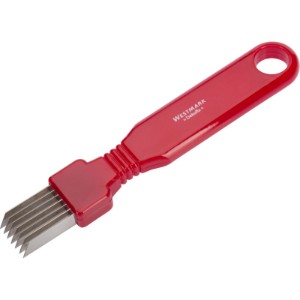
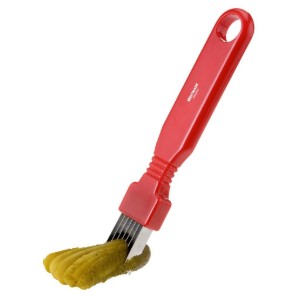
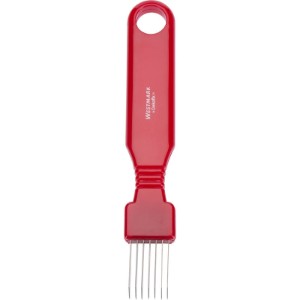
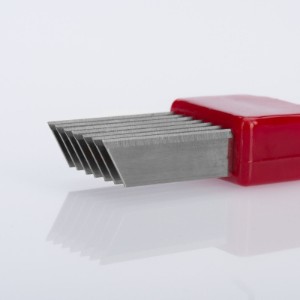
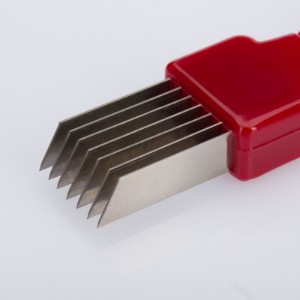
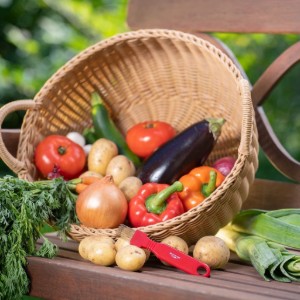
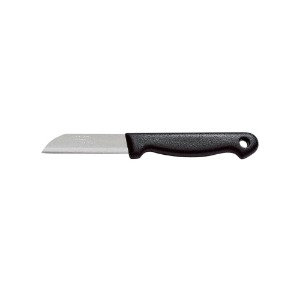

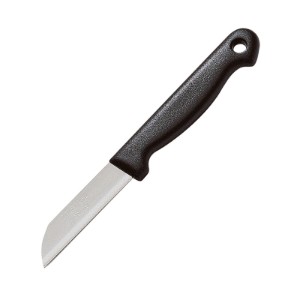
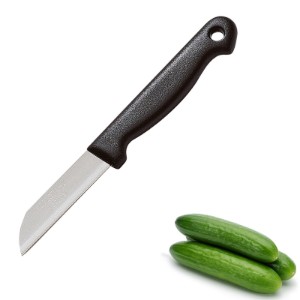
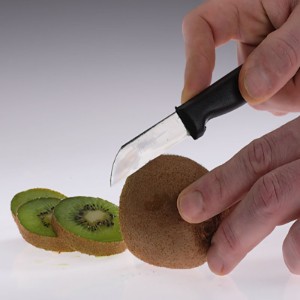
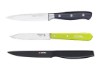
Knife for peeling 6.5 cm, stainless steel - Westmark
Code: 13512210
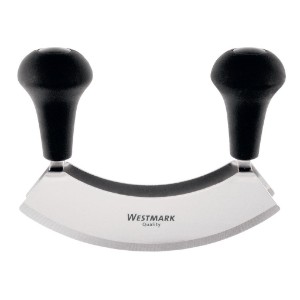
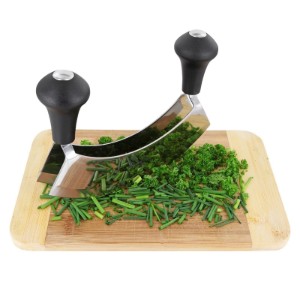
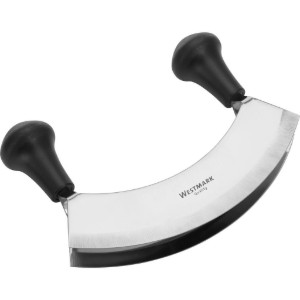

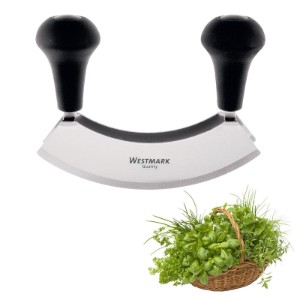
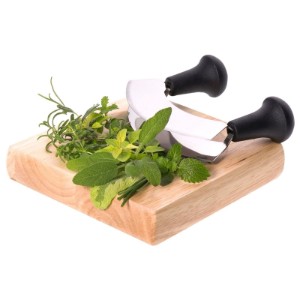
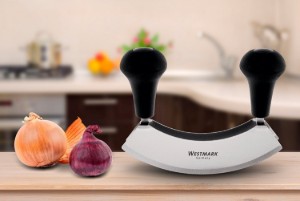
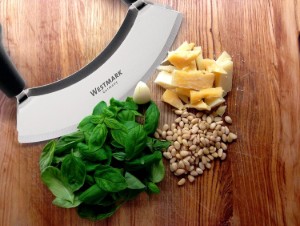
Chopping utensil with 2 blades, 17 cm - Westmark
Code: 12942270